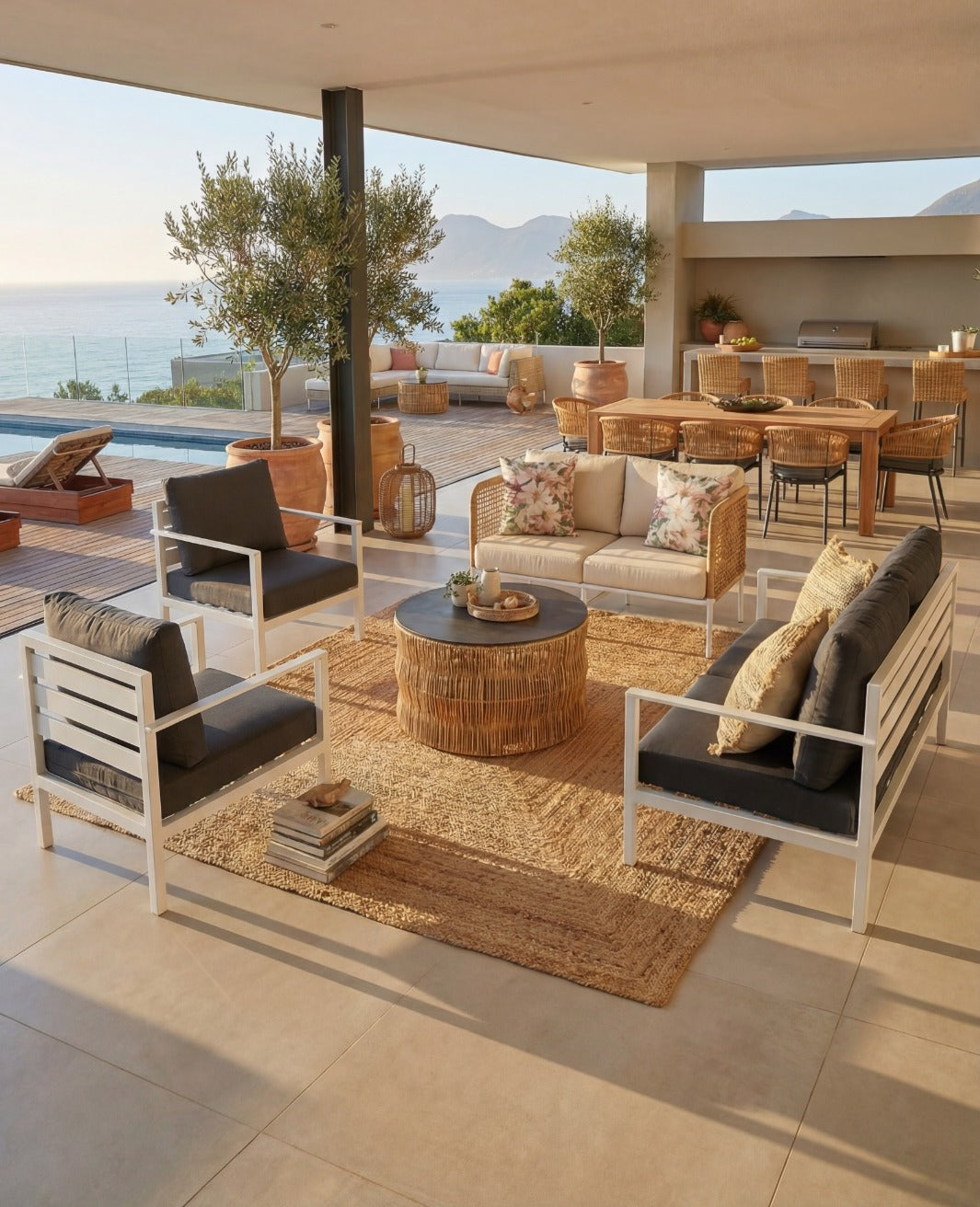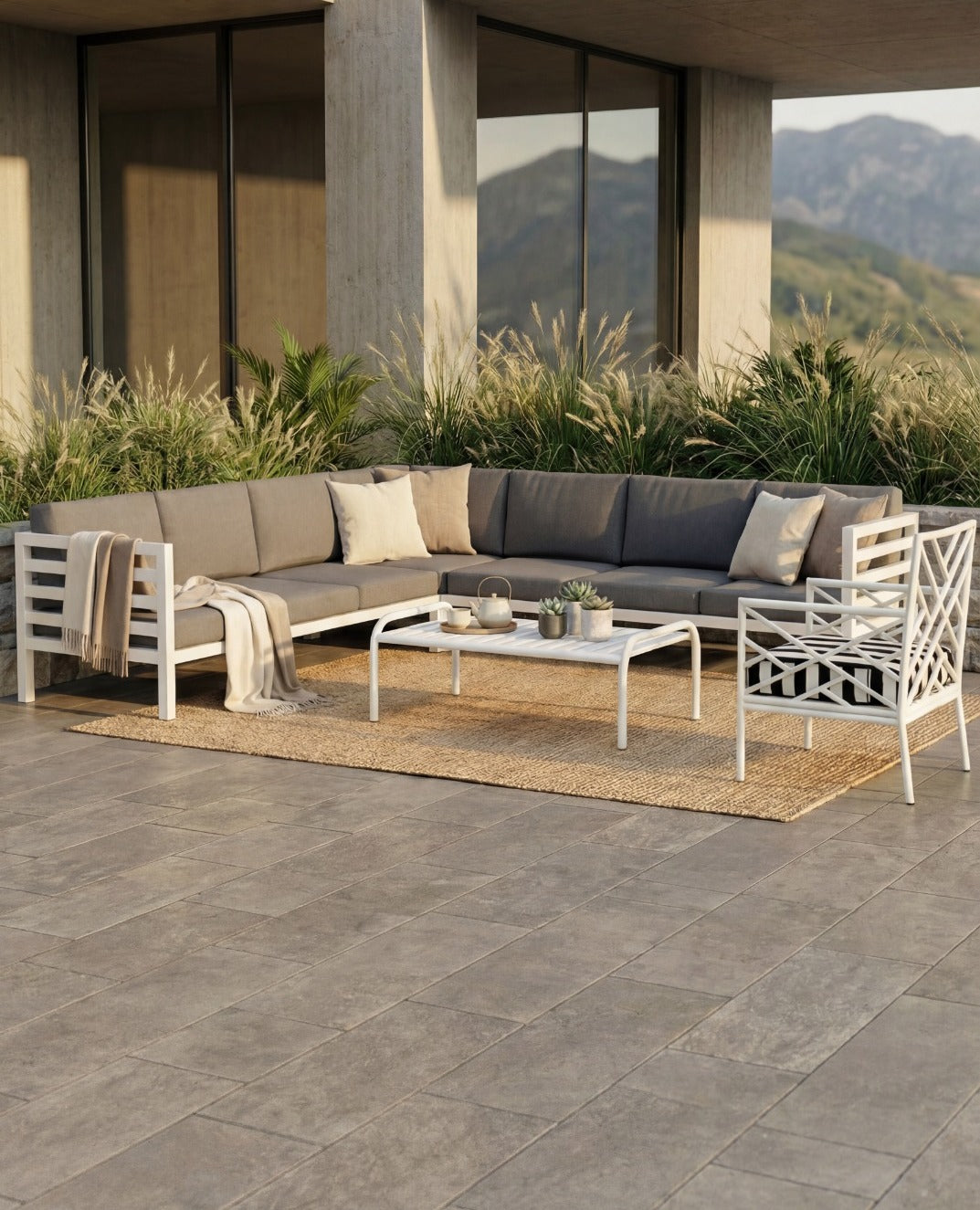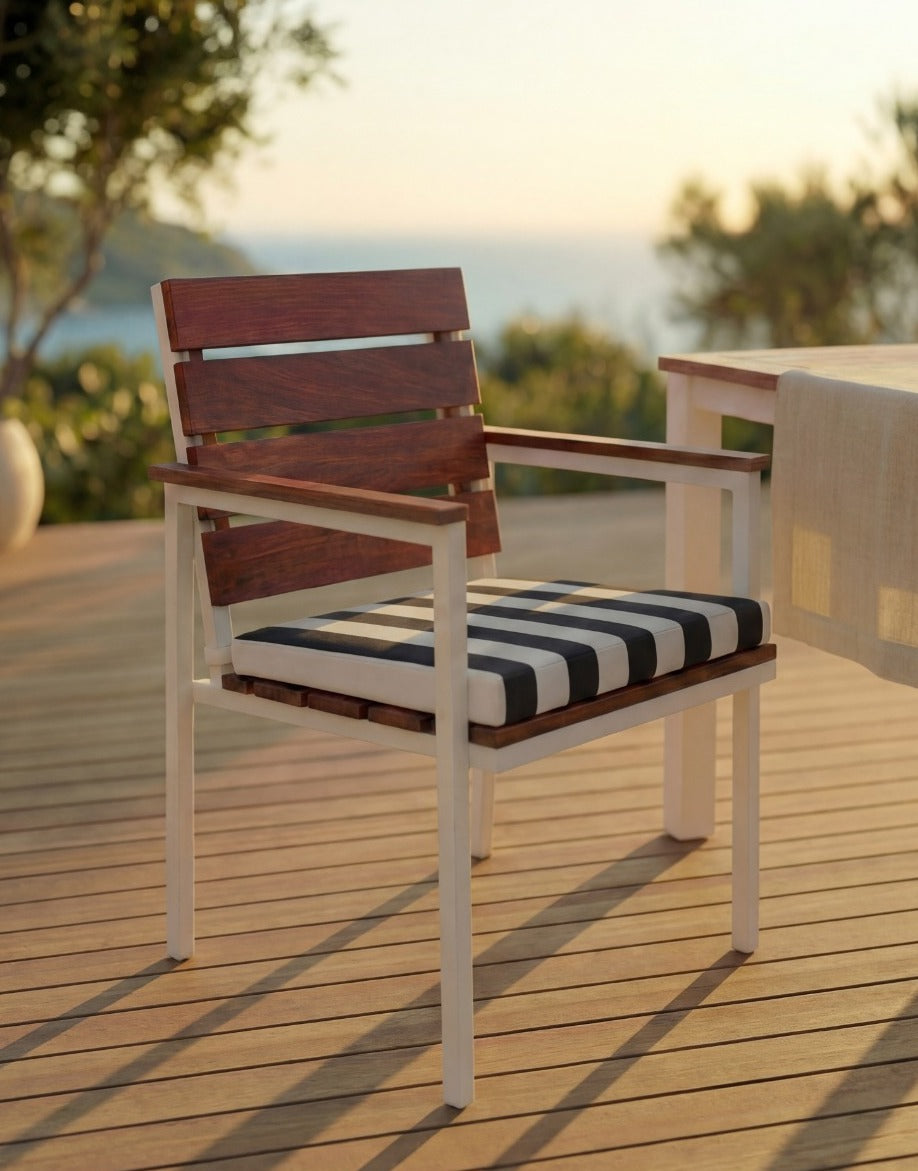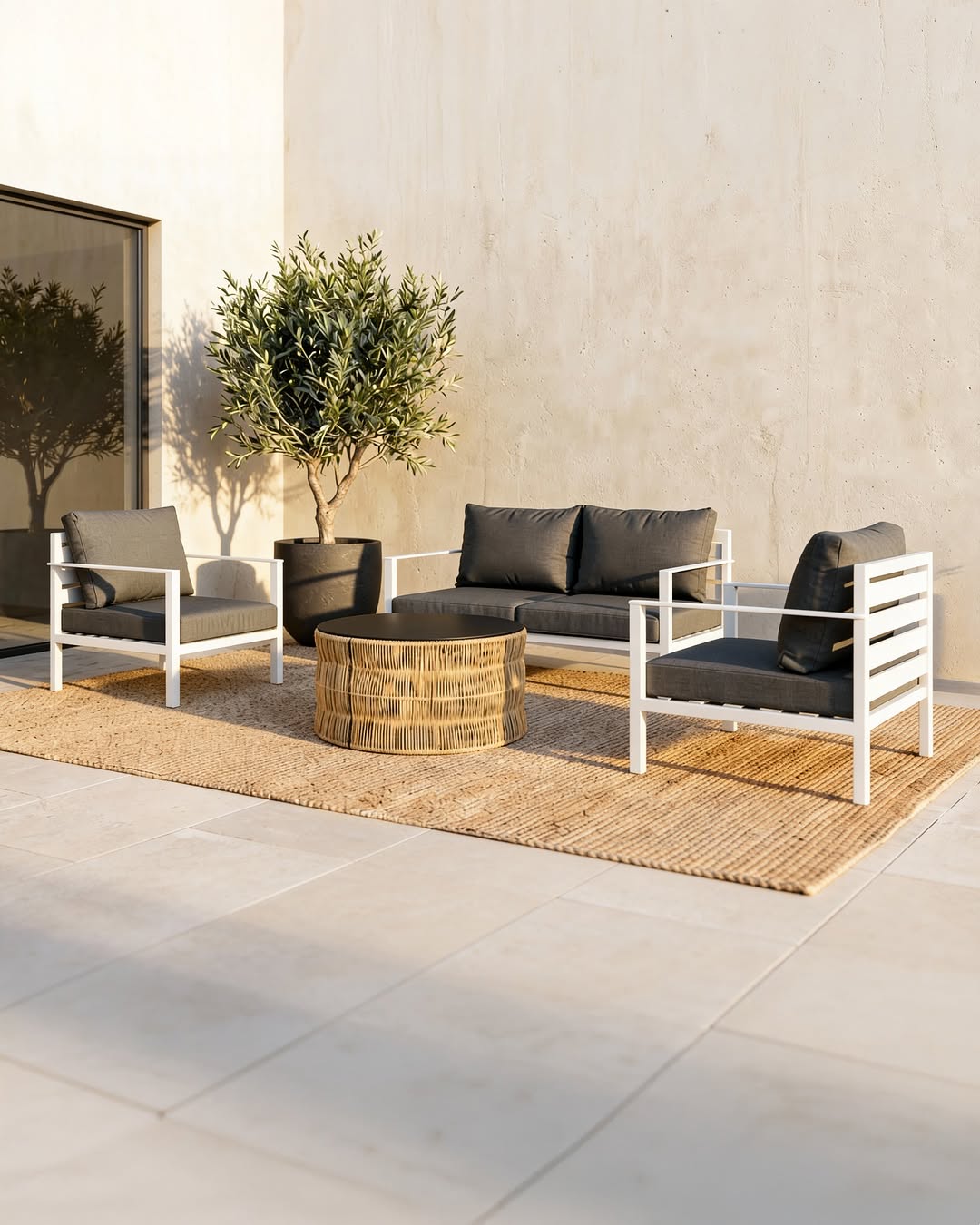

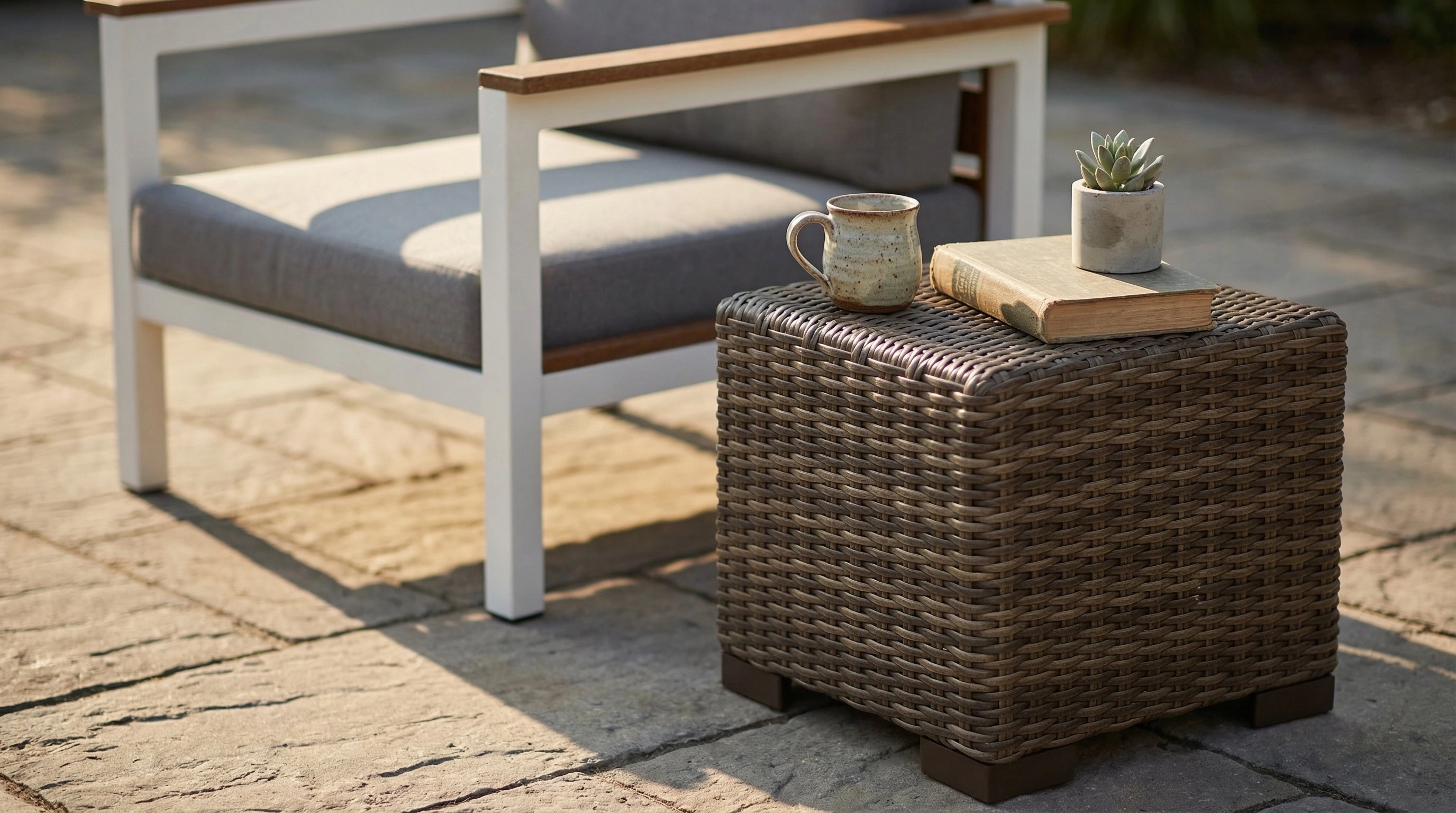
A beautifully styled side table beside a linen sofa in a warm, sunlit living room
BUYING GUIDE

Side Tables: A Buyer's Guide to Finding the Perfect Piece

By Ikonik Luxury Furniture, Editorial Team4 min read

Every room has a quiet workhorse — a piece that rarely draws attention yet holds the entire composition together. The side table is precisely that: unassuming in stature, indispensable in function, and, when chosen well, capable of elevating a space from merely furnished to genuinely considered.

It is the surface where your morning coffee rests beside a half-read novel, where a bedside lamp casts its warm glow across the pillow, where a trailing stem of eucalyptus in a ceramic vase catches the afternoon light. And yet, for all its importance, the side table is one of the most frequently misjudged purchases in interior design. Too tall, too small, too ornate, too plain — the wrong choice announces itself immediately, even if you cannot quite articulate why.

This guide is designed to remove the guesswork. Whether you are furnishing a new home or replacing a piece that never quite worked, we will walk you through the decisions that matter — height, material, shape, placement — so that the side table you choose feels as though it was always meant to be there.

Height & Proportion: The Rule That Changes Everything

If there is a single principle that separates a well-chosen side table from a regrettable one, it is height. The ideal side table should sit level with the arm of your sofa — or within five centimetres of it. This is not arbitrary. When a table aligns with the arm, reaching for a glass or setting down a book becomes effortless, almost unconscious. When it does not, you find yourself leaning awkwardly or stretching across a gap, and the entire arrangement feels slightly wrong.

Measure your sofa arm before you shop. Most sofas sit between 55 and 65 centimetres from the floor, and the majority of well-designed side tables fall within this range. If your sofa is particularly low-slung — a mid-century profile, for instance — look for tables closer to 45 centimetres. If it is a high-backed, generously rolled design, you may need something in the 65 to 70 centimetre range.

Proportion matters horizontally, too. A side table should be roughly two-thirds the depth of the sofa arm it sits beside — enough surface area to be useful without crowding the walkway. A table that extends too far forward feels intrusive; one too shallow looks lost. Trust your eye here. If the table appears to belong in the arrangement without demanding attention, the proportions are right.

“The best side table is one you never think about — it simply works, every time you reach for it.”

Material Matters: Choosing What Speaks to Your Space

The material of a side table sets the emotional tone of its corner of the room. Solid timber — walnut, oak, mango wood — brings warmth and a sense of permanence. It ages beautifully, developing a patina that rewards years of use rather than punishing them. A hardwood side table beside a linen sofa creates a grounded, lived-in atmosphere that no amount of styling can replicate if the foundations are wrong.

Marble and stone occupy the other end of the spectrum: cool, sculptural, inherently elegant. A Carrara marble top on a slim brass base can anchor an entire living room with its quiet authority. Stone is heavier, both visually and physically, so it suits spaces that can absorb that weight — larger rooms, lighter-coloured interiors, arrangements where the table is a deliberate focal point rather than a background player.

Metal — brushed brass, blackened iron, powder-coated steel — introduces a sharper, more contemporary edge. It pairs exceptionally well with both timber and stone, acting as a visual bridge between natural and industrial textures. A slender metal-framed side table is ideal for tighter spaces, where a solid timber piece might feel bulky.

Glass and acrylic offer lightness and visual transparency. In a small room, a glass-topped side table occupies its footprint without visually claiming it, making the space feel larger. The trade-off is fragility and the need for frequent cleaning — glass shows every fingerprint. If low maintenance matters to you, tempered glass with a bronze or smoke tint hides marks better than clear.

Shape & Style: Round, Square, and Everything Between

The shape of your side table should respond to the shapes already present in the room. If your sofa has sharp, geometric lines — a boxy modern silhouette, for example — a round side table softens the arrangement and introduces a pleasing contrast. Conversely, if your seating is curved or organic, a square or rectangular table provides the structural counterpoint the space needs.

Round side tables are forgiving. They eliminate hard corners in high-traffic areas, making them a practical choice beside sofas where children play or where the walkway is narrow. They also encourage a more relaxed, conversational grouping — there is something inherently approachable about a circular form.

Nesting tables are a quietly brilliant solution for homes that entertain. Two or three tables that tuck together when not in use expand to serve a crowd during a dinner party or drinks evening, then retreat to a tidy stack when the room needs breathing space. Look for nesting sets where each table is beautiful enough to stand alone — the mark of good design is that the set works both together and apart.

C-tables — those slim, cantilevered designs that slide beneath a sofa cushion — deserve special mention. They are exceptional for smaller living rooms or for anyone who works from the sofa with a laptop. The base tucks under the sofa frame, bringing the surface directly over your lap. Functional to the point of feeling clever, without sacrificing aesthetics.

Placement & Styling: Making It Work in Context

A side table's success depends as much on where you place it as on which one you buy. Beside the sofa is the obvious choice, but consider the less conventional positions: flanking an accent chair by a window, anchoring a reading nook, or standing between two armchairs to create a symmetrical grouping that feels intentional and composed.

As a bedside table, a side table should be level with the top of your mattress — this is the same arm-height principle applied to a different context. You need enough surface for a lamp, a glass of water, and whatever you are reading. A single drawer or lower shelf is a bonus, not a necessity; it keeps the essentials tidy without requiring a full bedside chest.

When styling the top, remember the rule of odd numbers. Three objects of varying height — a lamp, a small vase, a stack of two or three books — create a composition that feels natural and unforced. Five works if the table is generous enough. Even numbers tend to look static and overly arranged. The goal is curated, not cluttered.

Grouping side tables in pairs or trios at different heights adds dimension and visual interest to a living room. This works particularly well with nesting sets or with tables in the same material family but different silhouettes — a round marble piece beside a taller, slimmer brass pedestal, for instance. The variation creates rhythm, and rhythm is what makes a room feel alive rather than simply decorated.


Featured in This Article

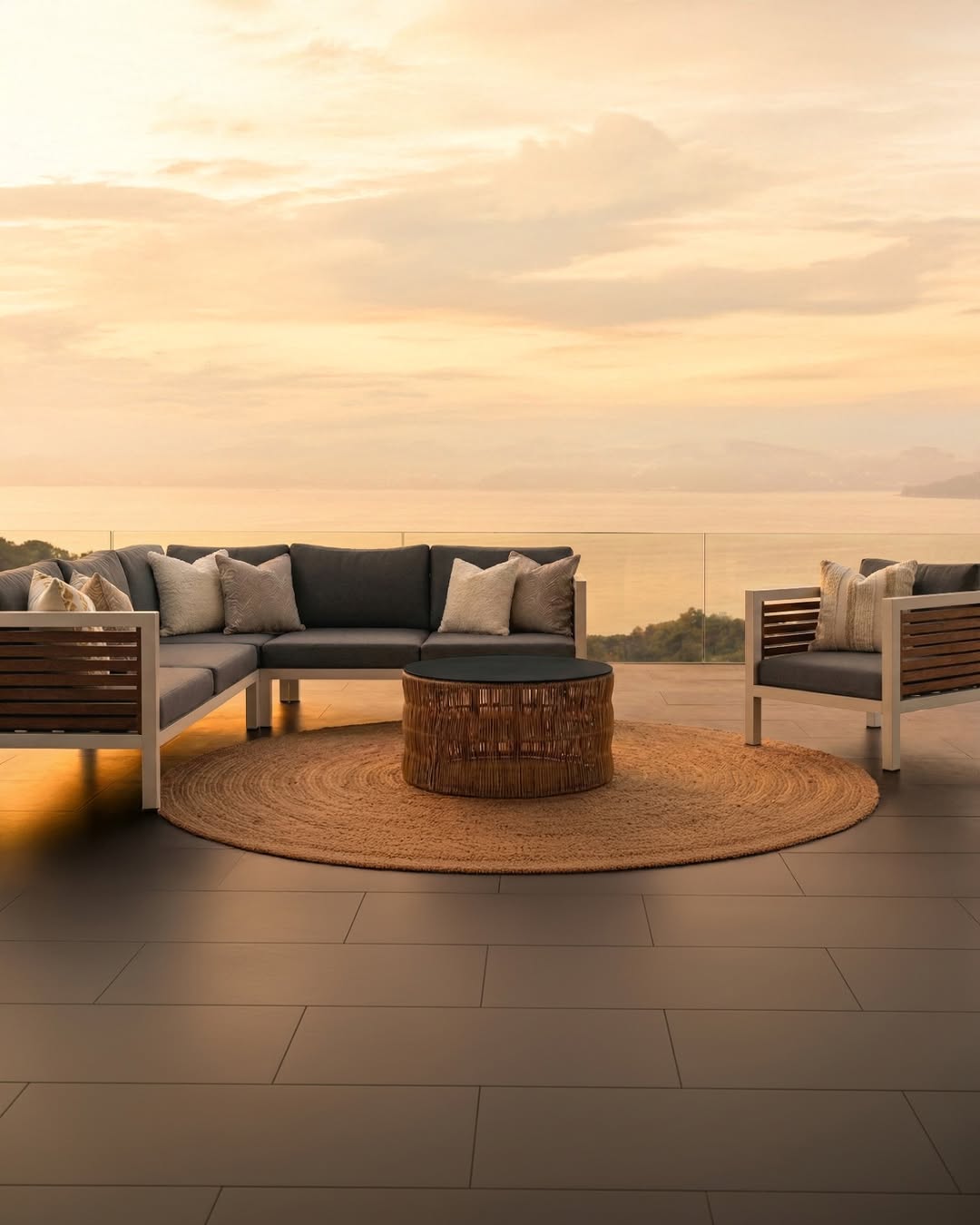
Outdoor living space styled with contemporary furniture and natural textures

@ikonik_luxury_furniture

Follow Us on Instagram
Instagram post by Ikonik Luxury Furniture