A carefully maintained upholstered armchair beside a polished timber side table in a sunlit living room
CARE GUIDE

The Complete Guide to Caring for Your Furniture

By Ikonik Luxury Furniture, Editorial Team9 min read

Fine furniture is an investment in how you live. Every surface you touch, every chair that holds you through a long dinner, every table that anchors your morning routine — these pieces absorb the texture of your daily life. They deserve more than occasional dusting. They deserve informed, deliberate care that honours the materials from which they were made.

The truth is that most furniture damage is preventable. A water ring on an oak dining table, a stain on an upholstered seat, a dull haze across a marble top — these are not inevitable signs of age. They are the quiet consequences of neglect, and they are almost always avoidable with the right knowledge and a few minutes of regular attention.

This guide is not a list of chores. It is a manual for living well with beautiful things. Whether you have just invested in your first quality sofa or you are caring for a home filled with pieces collected over decades, these practices will ensure that every material in your home ages with grace — developing character rather than damage, and looking better with each passing year.

Fabric & Upholstery: Softness That Endures

Upholstered furniture carries a particular warmth that hard surfaces cannot replicate. The depth of a linen-covered sofa, the tactile richness of velvet dining chairs, the quiet durability of a performance-fabric sectional — these textures define the comfort of a room. But fabric, by its nature, is porous. It absorbs dust, oils, pet hair and the invisible residue of daily living. Without regular attention, even the finest upholstery loses its vitality.

Vacuum your upholstered pieces weekly using a soft brush attachment. Work methodically: across the seat cushions, along the arms, into the crevices where crumbs and dust settle. This alone prevents the gradual grinding of particles into the fibre that causes premature wear and dullness. For velvet, brush in the direction of the nap after vacuuming to restore its characteristic sheen.

Spot cleaning is an art of restraint. When a spill occurs, blot immediately with a clean white cloth — coloured fabrics can transfer dye onto your upholstery, compounding the problem. Test any cleaning solution on a hidden area first. For water-safe fabrics, a mixture of lukewarm water with a few drops of mild, clear washing-up liquid works remarkably well. Apply it sparingly with a cloth, dab rather than scrub, and allow the area to air-dry completely. For stubborn marks on linen or cotton blends, a solution of equal parts white vinegar and water can lift the stain without damaging the weave.

Performance fabrics — engineered to resist moisture, staining and UV degradation — have transformed how we live with upholstered furniture. They are particularly suited to homes with young children or pets, and their care is refreshingly straightforward: most marks wipe clean with water alone. Even so, they benefit from the same regular vacuuming and rotation of cushions that any quality fabric demands.

Professional deep cleaning every twelve to eighteen months is a worthwhile investment. A specialist will extract embedded dirt that domestic cleaning cannot reach, refresh the fabric's texture, and extend its lifespan considerably. Between professional cleans, rotate and flip reversible cushions monthly to distribute wear evenly. If your furniture sits near a window, consider UV-filtering treatments for the glass, or simply draw the curtains during peak afternoon sun. Fabric fades silently and unevenly — by the time you notice, the damage has been compounding for months.


Wood & Timber: Honouring the Grain

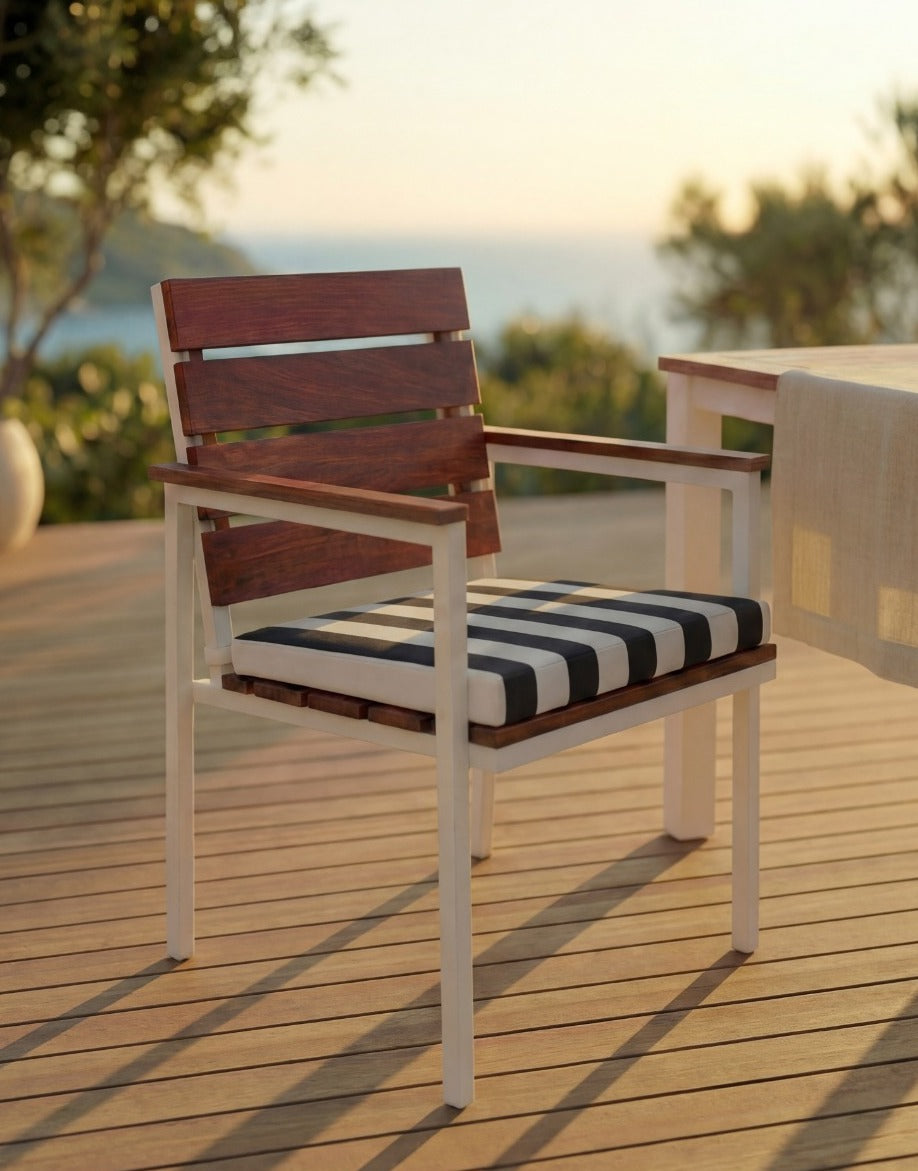
Wood is the material that most honestly records the passage of time. A solid oak dining table carries the faint impression of every meal shared across it. A walnut sideboard develops a lustre that no factory finish can replicate. This is the beauty of natural timber — it ages, and in ageing, it becomes more itself. Your role is simply to ensure that the ageing process is graceful rather than destructive.

Dust wooden surfaces weekly with a slightly damp microfibre cloth, then follow immediately with a dry one. Avoid feather dusters, which merely redistribute particles, and spray polishes containing silicone, which create a superficial shine but build up a cloudy residue over time that is difficult to remove. For a genuine, lasting sheen, apply a thin coat of beeswax polish two or three times a year, buffing with a soft cloth in the direction of the grain. The result is a depth of warmth that no chemical shortcut can achieve.

Moisture is wood's persistent adversary. Always use coasters beneath glasses and mugs — a water ring on an untreated timber surface can penetrate within minutes, leaving a white mark that requires sanding to remove. Wipe spills immediately. In rooms with variable humidity, particularly during winter when heating systems dry the air, consider a small humidifier. Wood expands and contracts with moisture changes; extreme fluctuations cause cracking and warping that no amount of subsequent care can reverse.

For minor scratches — the inevitable companions of a well-used table — a touch-up marker matched to the wood's tone blends the mark invisibly. Deeper scratches on oiled or waxed finishes can be treated with fine steel wool (grade 0000) worked gently along the grain, followed by a fresh application of oil or wax. Lacquered finishes are best left to a professional restorer. The guiding principle with wood is always the same: gentle, consistent attention is worth more than any emergency repair.

Marble & Stone: Elegance Demands Vigilance

Marble occupies a paradoxical position among furniture materials. It communicates permanence and solidity — the material of ancient temples and Renaissance sculpture — yet its surface is surprisingly vulnerable. Marble is a metamorphic rock composed largely of calcite, which reacts chemically with acids. A splash of lemon juice, a ring from a wine glass, a drop of tomato sauce left a moment too long — each of these can etch the polished surface, leaving a dull mark that no amount of wiping will remove.

Understanding this chemistry is the foundation of marble care. Use only pH-neutral cleaners specifically formulated for natural stone. A simple daily routine of wiping the surface with a soft cloth dampened with warm water, followed by a dry cloth to prevent water spots, is sufficient for maintenance. Never use vinegar, citrus-based cleaners, or generic multi-surface sprays. What works on glass or laminate will quietly destroy marble's finish over weeks and months.

Sealing is non-negotiable. A quality impregnating sealer fills the microscopic pores of the stone, creating an invisible barrier against staining without altering the marble's appearance or texture. Apply it when you first acquire the piece, then re-seal every twelve to eighteen months depending on use. A dining table sees more exposure than a console table and will need more frequent attention. To test whether your marble needs re-sealing, place a few drops of water on the surface — if they absorb rather than bead, it is time.

For etching that has already occurred, a marble polishing powder can restore the finish on honed or polished surfaces. Apply it with a damp cloth in small circular motions, rinse thoroughly, and dry. For deep or widespread damage, engage a professional stone restorer. The cost is modest compared to replacement, and a skilled restorer can return even badly neglected marble to something remarkably close to its original state.

Metal & Brass: The Quiet Lustre

Metal components — whether the slender brass legs of a side table, the powder-coated steel frame of a dining chair, or the brushed aluminium base of a contemporary shelving unit — bring a precision and clarity to furniture that softer materials cannot. They anchor a room visually, catching light in ways that wood and fabric do not. Their care, while less demanding than fabric or marble, still requires an understanding of the material and its finish.

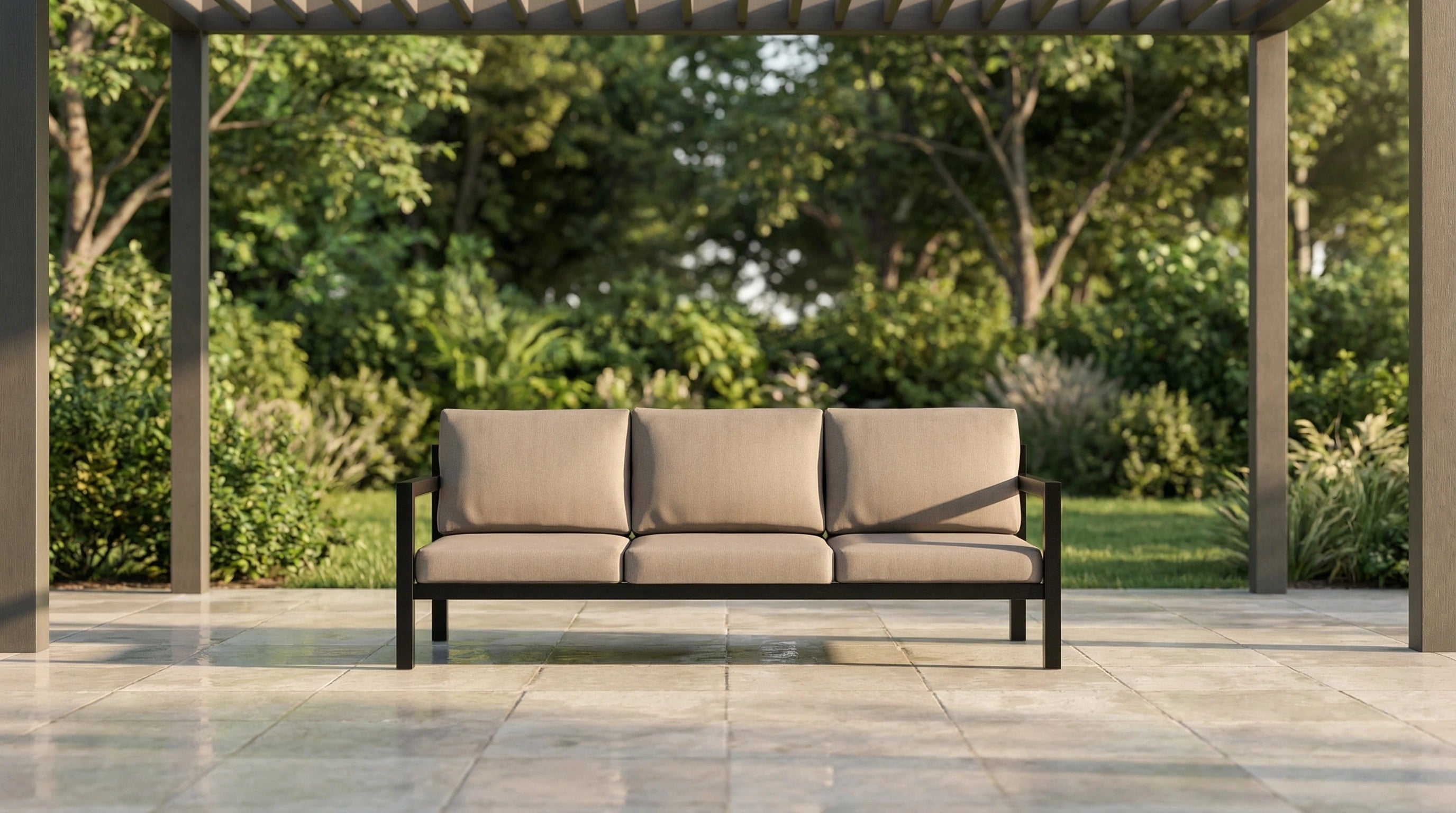
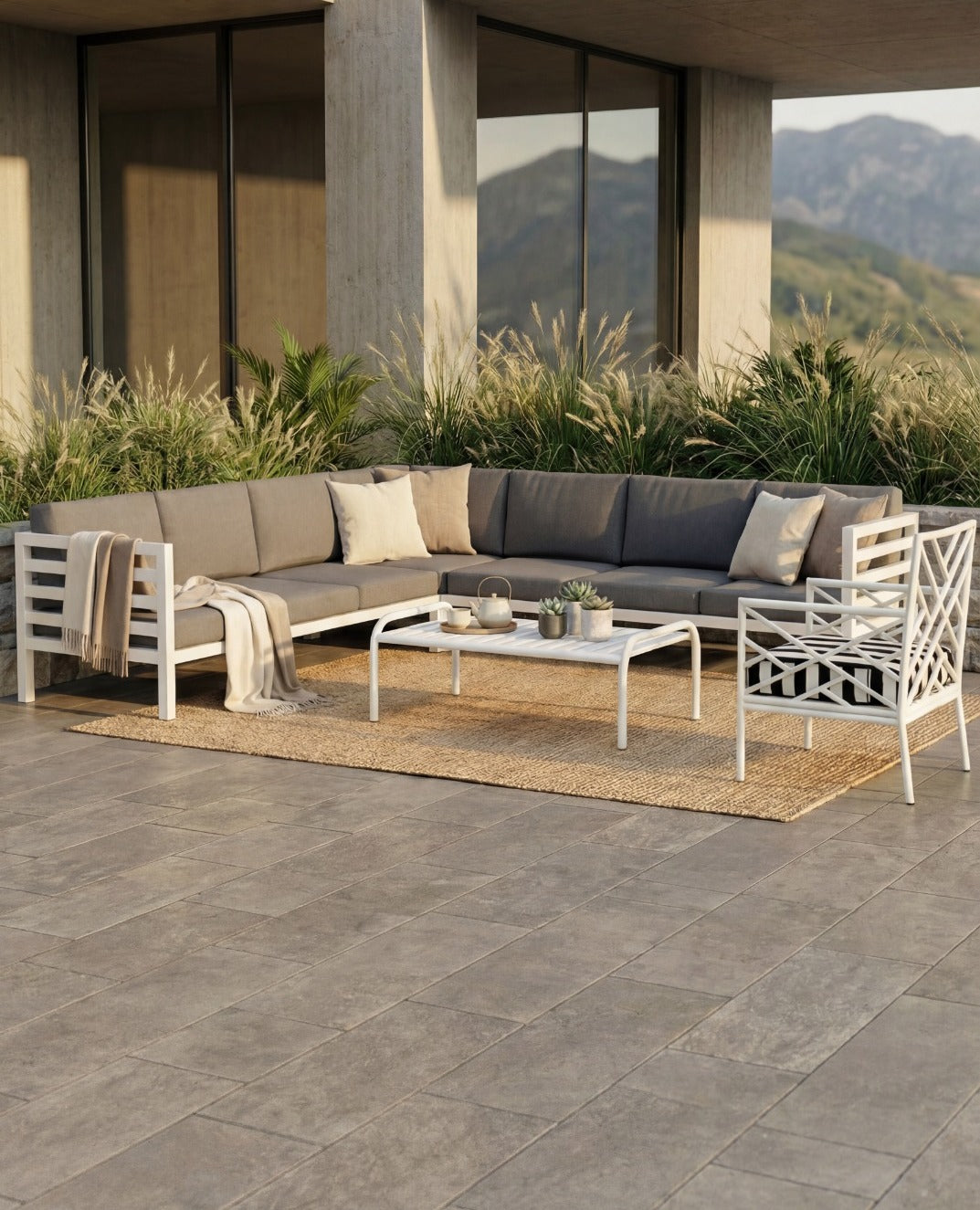
Powder-coated metals are the most forgiving. A damp cloth with mild soap removes fingerprints and dust; dry immediately to prevent water spots. Avoid abrasive sponges or scouring powders, which scratch the coating and expose the metal beneath to oxidation. For outdoor furniture with powder-coated frames, a biannual application of car wax creates an additional barrier against the elements.

Brass and bronze are living finishes that will tarnish naturally over time. For many, this developing patina is the point — an unlacquered brass lamp base that mellows from bright gold to a deep, honeyed amber tells the story of the room it inhabits. If you prefer to maintain the original brightness, clean with a brass-specific polish every few months, applying in the direction of the grain with a soft cloth. Lacquered brass should be cleaned only with a damp cloth — polishing compounds will strip the protective coating.

Brushed stainless steel and chrome require little beyond regular wiping with a microfibre cloth. For water spots or fingerprints, a small amount of glass cleaner on the cloth provides a streak-free result. Always wipe in the direction of the brushing to maintain the consistent grain pattern that gives brushed metal its refined, understated character.

Glass: Clarity Without Compromise

Glass surfaces — dining tables, coffee tables, shelving units — offer a visual lightness that makes rooms feel larger and more open. Tempered glass, used in quality furniture, is remarkably strong: it withstands impacts that would shatter standard glass and, if it does break, fractures into small, relatively safe fragments rather than dangerous shards. Yet glass has its own particular demands.

Clean glass surfaces with a dedicated glass cleaner or a solution of equal parts white vinegar and distilled water. Spray onto a lint-free cloth rather than directly onto the glass — this prevents the liquid from seeping into the frame or base and causing damage to other materials. Wipe in a single direction, then buff with a dry microfibre cloth to eliminate streaks. Newspaper, the old housekeeper's secret, still works beautifully for a final polish.

Prevent scratches by using felt pads beneath decorative objects and ensuring that anything placed on the glass — ceramics, metal trays, stone ornaments — has a soft base. Tempered glass is more scratch-resistant than standard glass, but it is not immune. Avoid dragging items across the surface. Lift, place, lift again. This small discipline preserves the clarity that makes glass furniture so appealing in the first place.

Epoxy Coating: Preserving the Flawless Finish

Epoxy-coated furniture delivers a glass-like depth and clarity that transforms a surface into a statement. Whether in high gloss, satin matte or metallic finishes, epoxy is engineered for resilience — scratch-resistant, UV-stable and waterproof. Yet even the hardiest coating benefits from thoughtful maintenance to preserve that luminous quality over the years.

Daily care is straightforward. Wipe surfaces with a soft, damp microfibre cloth and dry immediately to prevent water spots. Avoid abrasive sponges, scouring pads or harsh chemical cleaners — these micro-scratch the surface and gradually dull the finish. For stubborn marks, a small amount of mild washing-up liquid diluted in warm water is entirely sufficient. Apply with a soft cloth, wipe clean, and buff dry.

Heat is the principal concern with epoxy. Although our coatings are heat-resistant, placing a scorching pot or pan directly on the surface can cause localised discolouration or clouding over time. Always use trivets or heat-resistant mats beneath hot items. Similarly, while epoxy resists UV degradation admirably, prolonged exposure to direct sunlight over many years can affect even the most stable formulations. If your epoxy-finished piece sits in a sun-drenched spot, rotating its position periodically helps maintain an even appearance.

For minor surface scratches — the kind that catch the light at certain angles — a non-abrasive automotive polish applied sparingly with a microfibre cloth can restore clarity. Work in small circular motions, then buff to a shine. For deeper damage, consult a professional refinisher. The beauty of epoxy is that it can often be re-coated and brought back to its original, pristine condition.

Fibre Cane: Caring for the Craft

Fibre cane brings an organic warmth to contemporary furniture that few materials can match. Hand-woven by skilled artisans into open weave, herringbone and diamond patterns, each cane panel is as much a piece of craft as it is a structural element. Caring for it well honours both the material and the hands that shaped it.

Dust fibre cane weekly using a soft brush or the brush attachment of your vacuum on its lowest setting. Work gently along the weave to dislodge particles lodged between the fibres. Avoid pressing too firmly — cane is naturally durable but can distort under sustained heavy pressure against a hard surface.

Moisture management is critical. Fibre cane is breathable by nature, which contributes to its comfort but also means it can absorb humidity. In excessively dry environments, cane may become brittle; in persistently damp conditions, it can soften and lose tension. Maintain indoor humidity between 40 and 60 per cent for optimal longevity. If cane feels dry or slightly rigid, a light misting with distilled water from a spray bottle — followed by air-drying away from direct heat — restores flexibility.

For spot cleaning, dampen a cloth with a mild solution of warm water and a few drops of gentle soap. Dab the affected area without saturating the weave, then blot dry with a clean towel. Never submerge cane panels in water or use steam cleaners. Position cane furniture away from direct sunlight to prevent uneven fading, and avoid placing heavy objects on unsupported cane surfaces for prolonged periods.

Polywood: Engineered for Effortless Living

Polywood combines the authentic appearance of natural timber with engineered weather resistance, making it the ideal material for outdoor living spaces where style meets practicality. Constructed from recyclable materials and finished to resist fading, moisture and temperature extremes, polywood is as close to maintenance-free as furniture gets — yet a small amount of care keeps it looking its best for decades.

Routine cleaning is refreshingly simple. Wash polywood surfaces with warm water, a mild soap and a soft-bristled brush. Rinse thoroughly and allow to air-dry. For tougher grime — pollen accumulation, bird droppings, or residue from outdoor entertaining — a solution of one-third white vinegar to two-thirds warm water cuts through build-up without affecting the finish. Avoid pressure washers; the concentrated force can damage the surface texture that gives polywood its natural timber character.

One of polywood's greatest strengths is its fade resistance, but even UV-stable materials benefit from seasonal attention. If your outdoor pieces spend the summer in full sun, give them a thorough clean at the start and end of the season. During extended periods of disuse — particularly through winter — store cushions indoors and, if possible, cover the frames with breathable furniture covers. Polywood will not rot, warp or splinter, but keeping it clean prevents the gradual dulling that dirt and environmental exposure cause over time.

General Principles: A Philosophy of Care

Beyond the specific needs of individual materials, certain principles apply universally to every piece of furniture in your home. These are not rules so much as habits — small, consistent acts of attention that compound over years into extraordinary preservation.

Rotate and redistribute. Move cushions, adjust the position of chairs around a table, occasionally shift a sofa a few centimetres. This distributes wear, prevents uneven fading from sunlight, and ensures that no single point bears the full weight of daily use. It also gives you a fresh perspective on your room — a small shift in arrangement can make a familiar space feel entirely new.

Control your environment. Humidity between 40 and 60 per cent is ideal for most furniture materials. Below 30 per cent, wood cracks and fibre cane becomes brittle; above 70 per cent, mould becomes a risk and joints can swell. A simple hygrometer — inexpensive and readily available — lets you monitor conditions and respond before damage occurs. In South Africa's varied climate, this awareness is particularly valuable during the dry Highveld winters and the humid coastal summers.

Respect the sun. Ultraviolet light is the silent enemy of every material discussed in this guide. It fades fabric, bleaches wood, dulls stone and degrades epoxy finishes. Position your most valued pieces away from direct sunlight paths, or use curtains, blinds and UV-filtering window treatments to mediate the light. The goal is not to live in darkness — it is to ensure that the beautiful natural light of a South African home enhances your furniture rather than degrading it.

Use coasters, mats and protective pads without apology. They are not fussy or precious — they are practical tools that prevent damage far more expensive to repair than the minor aesthetic compromise they represent. A felt pad beneath a ceramic vase costs nothing; the ring it prevents on a solid walnut console would cost a professional restoration.

Know when to call a professional. There is a threshold beyond which domestic care becomes insufficient. Deep stains in marble, structural damage to timber joints, clouding in epoxy coatings, or widespread fabric discolouration — these require the tools and expertise of a specialist restorer. The investment is almost always worthwhile. A beautifully restored piece carries more character and value than its brand-new replacement, and it remains part of the story of your home.

“The finest furniture is not defined by the day it arrives. It is defined by how it looks, feels and performs a decade later — and that is entirely in your hands.”


Featured in This Article

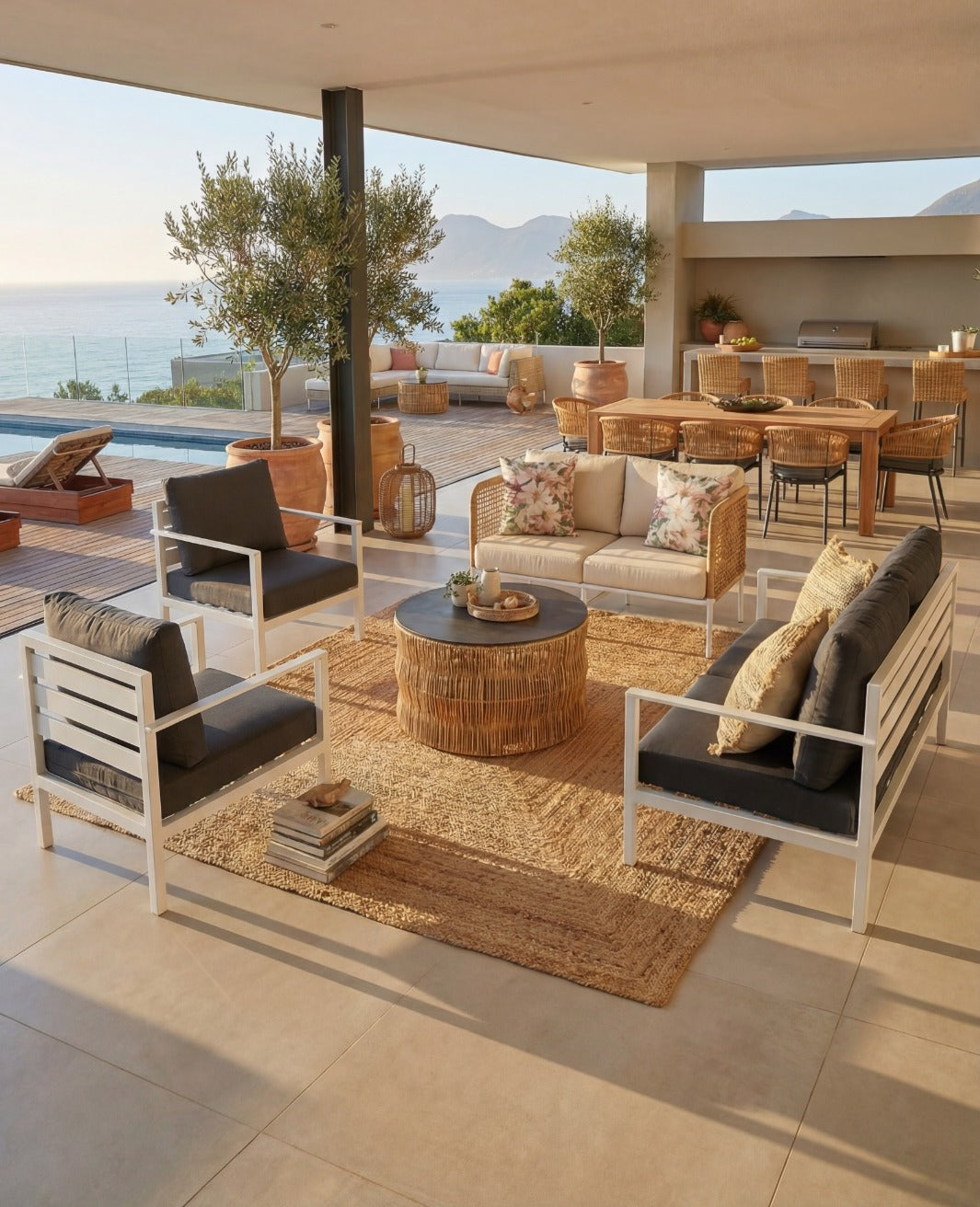
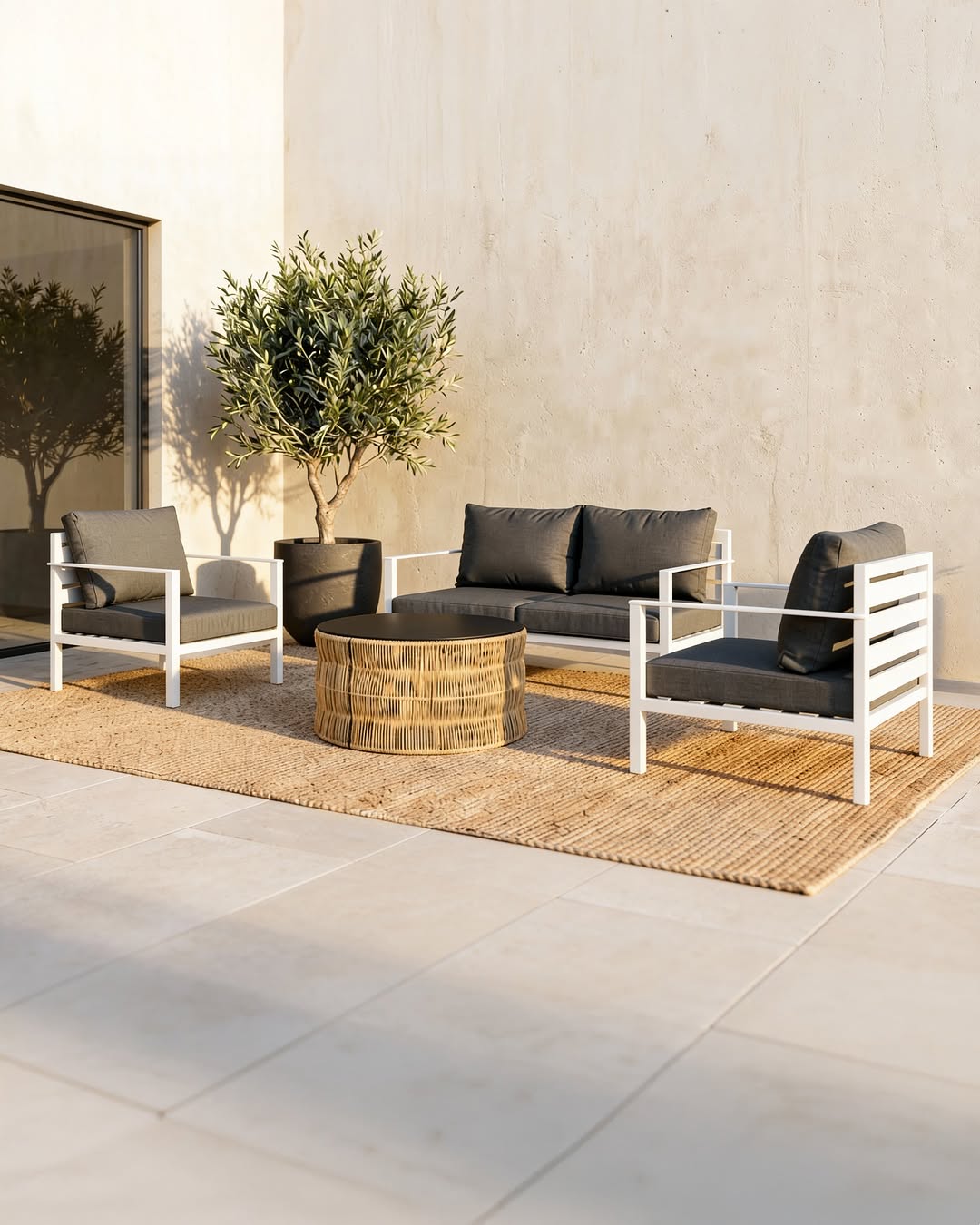
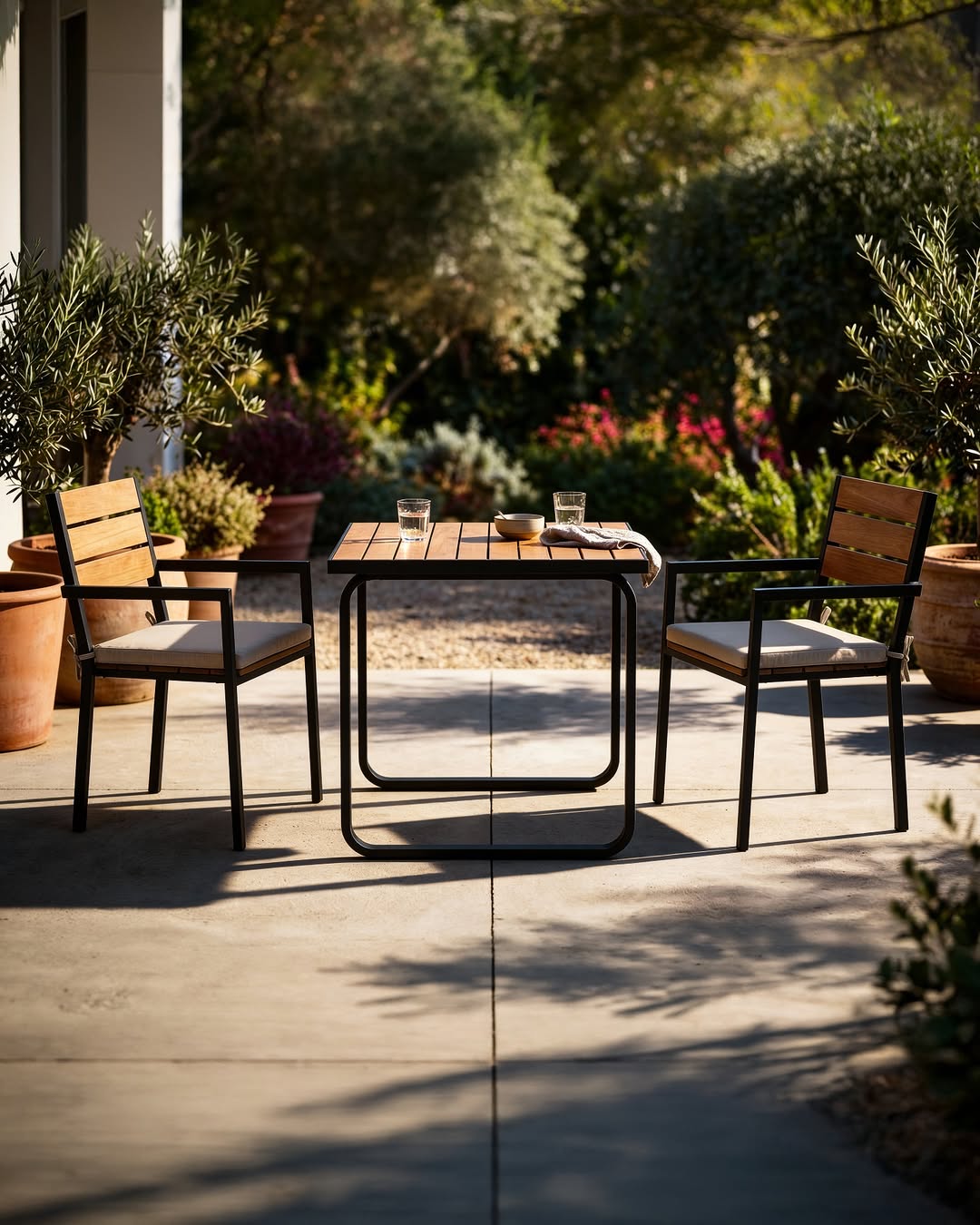
Outdoor living space styled with contemporary furniture and natural textures

@ikonik_luxury_furniture

Follow Us on Instagram
Instagram post by Ikonik Luxury Furniture