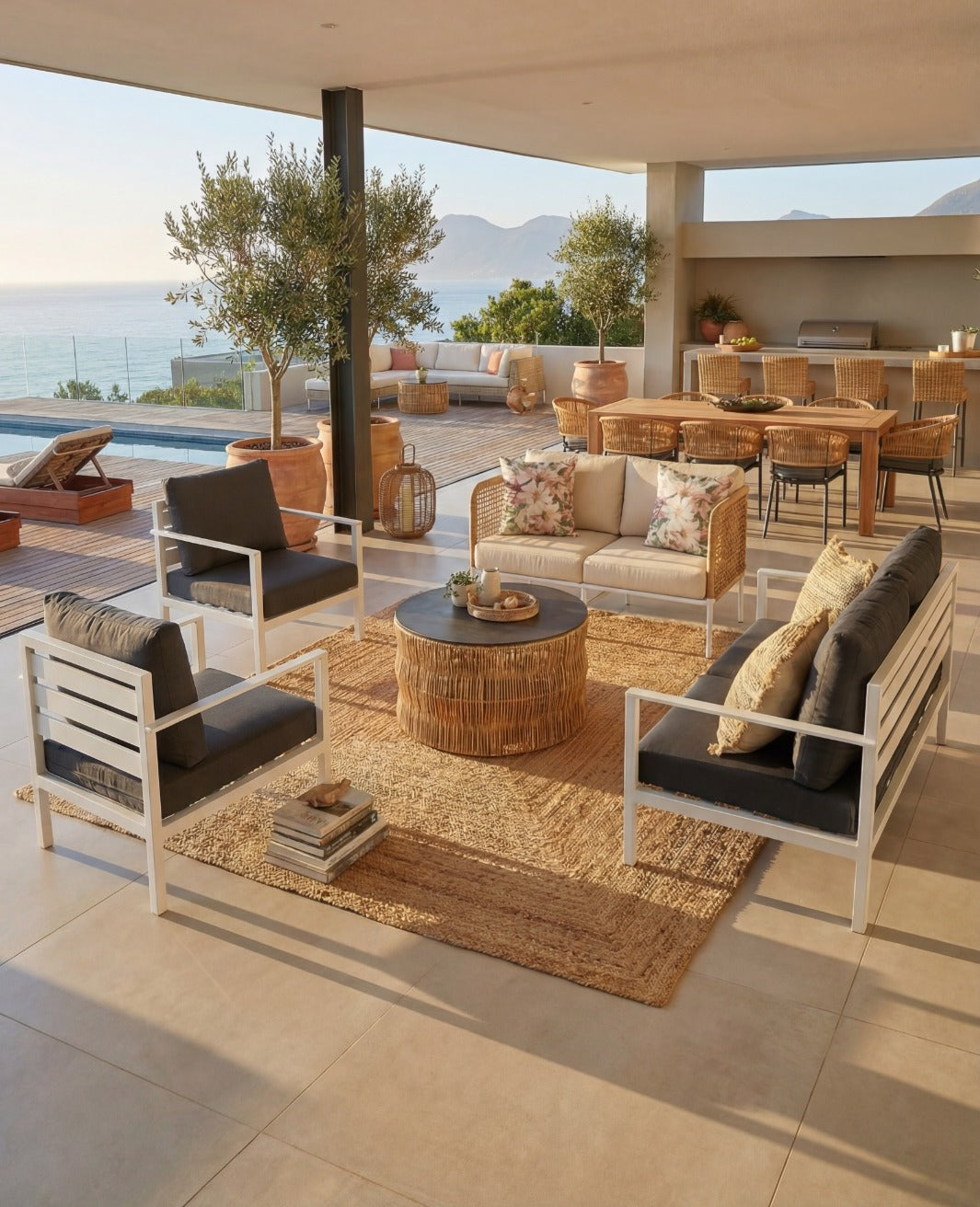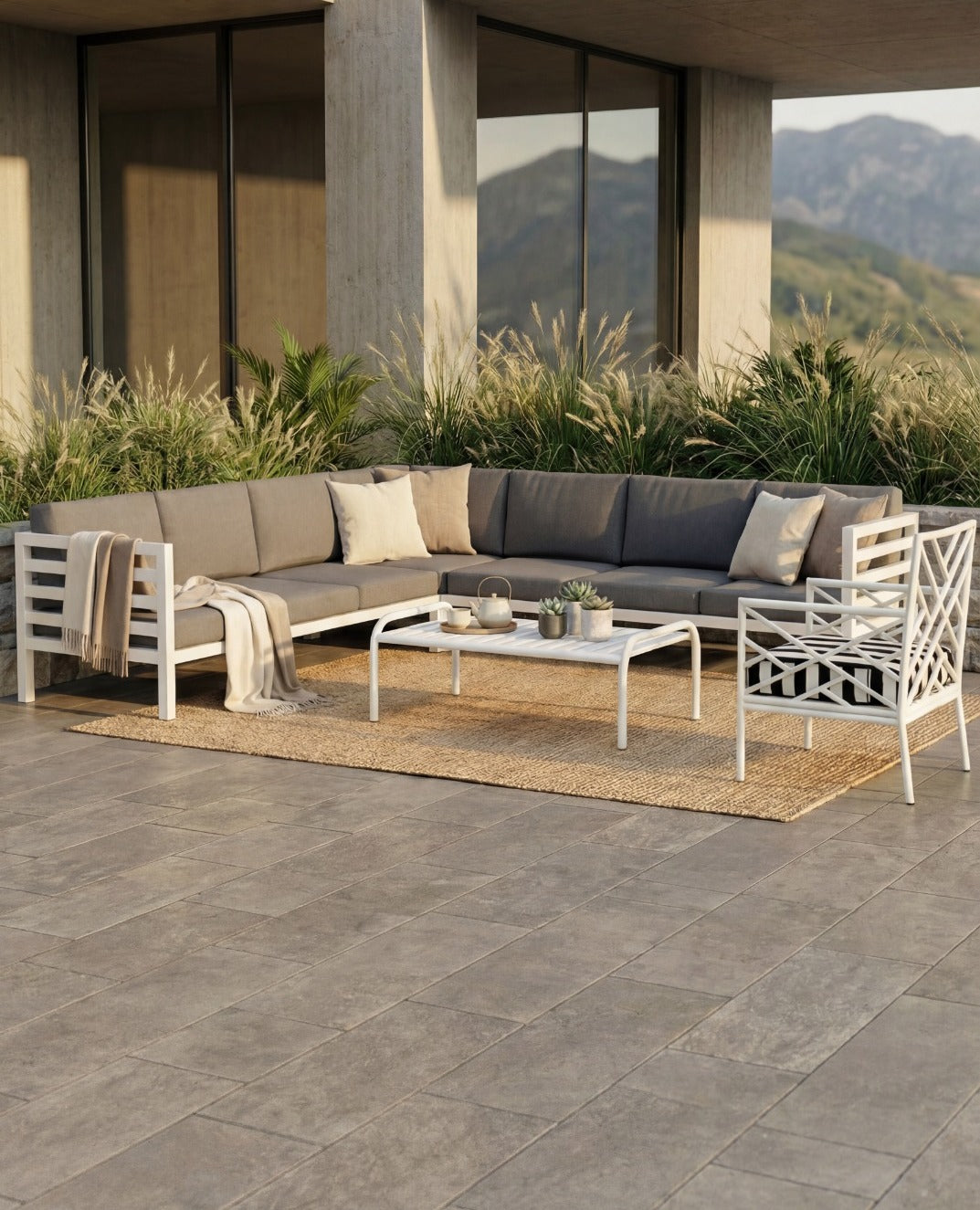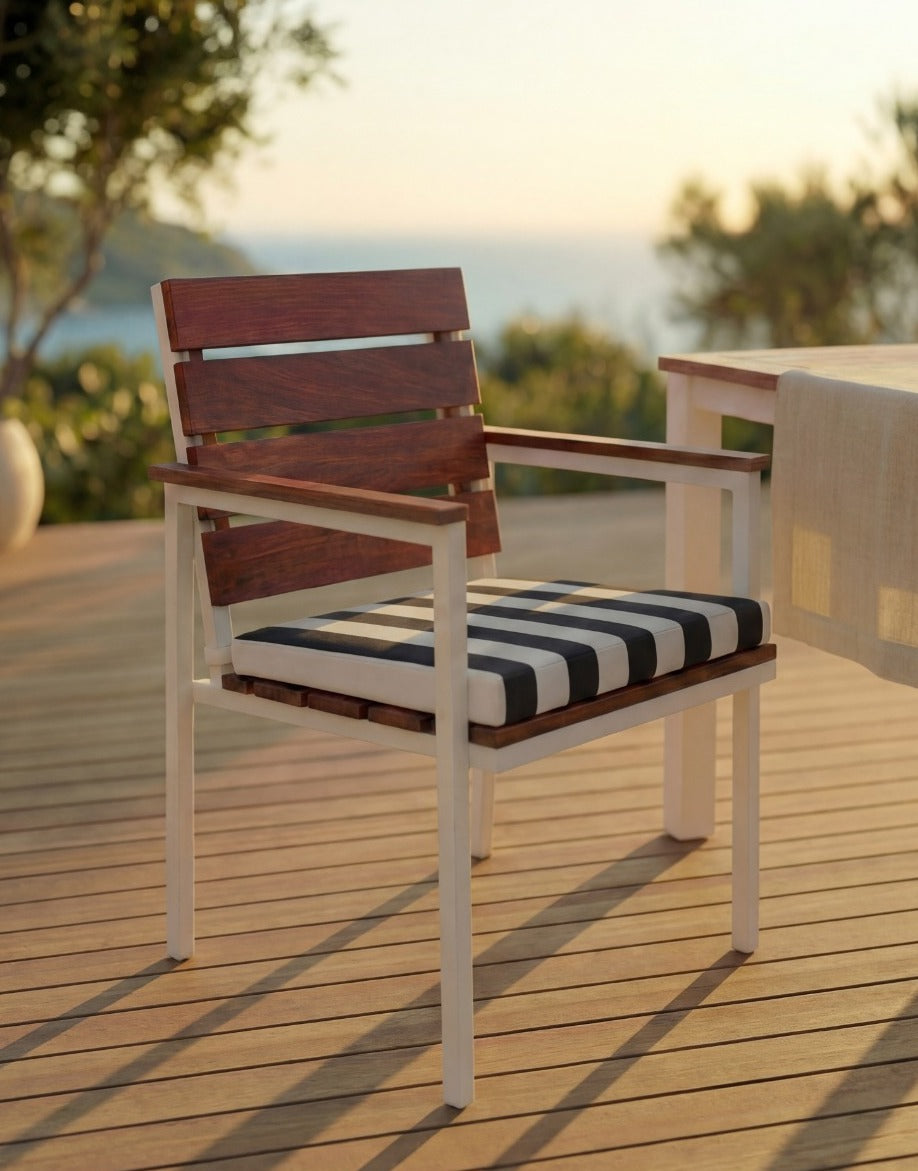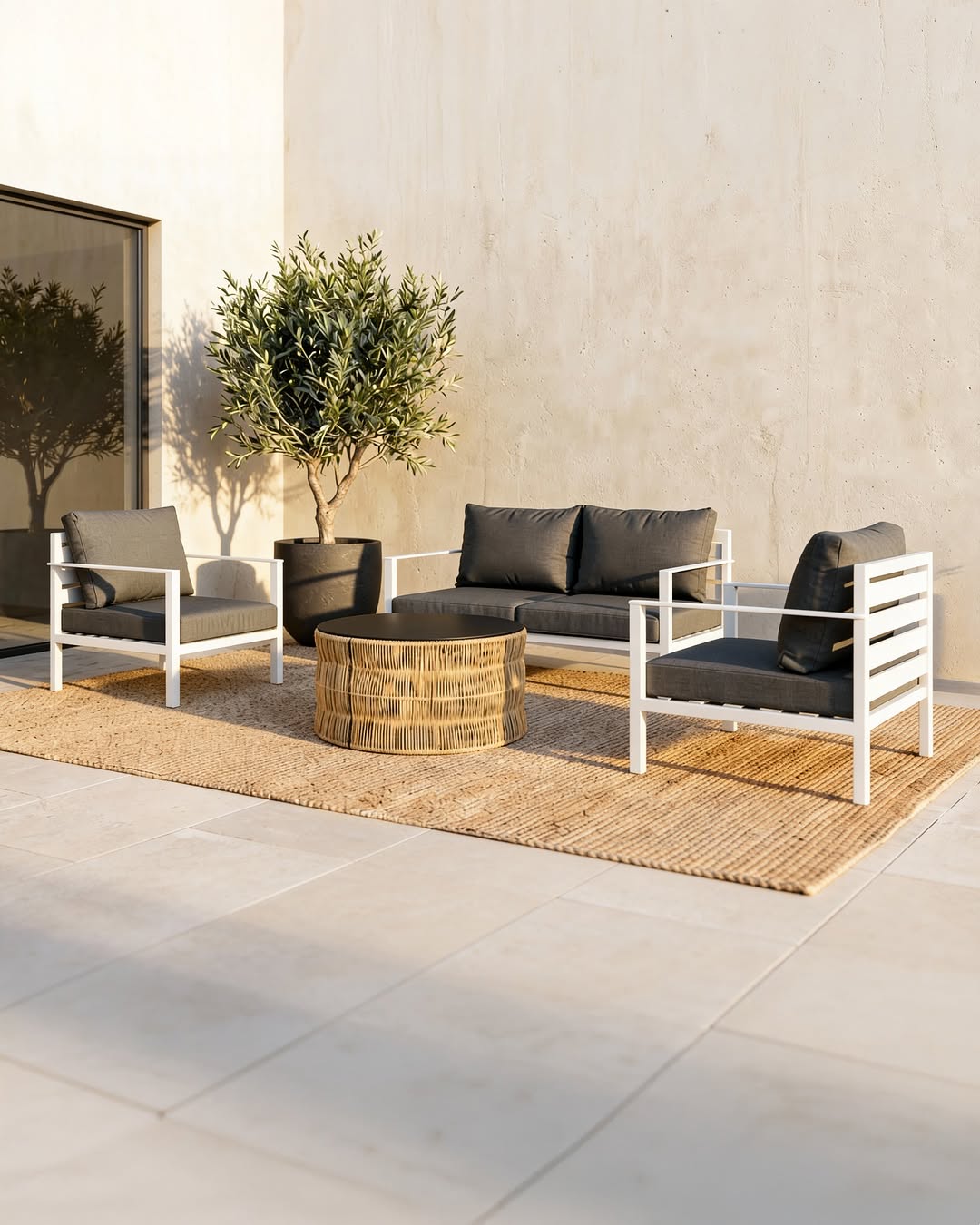

A richly upholstered sofa in natural linen set against a warm, sunlit interior with layered textile accents
Advice

Understanding Upholstery Fabrics: A Complete Guide

By Ikonik Luxury Furniture, Editorial Team5 min read

The fabric on your sofa will be touched more often than any other surface in your home. It will weather Saturday mornings with coffee, Sunday evenings with red wine, the daily weight of the people and rituals that define your household. Yet fabric selection is frequently reduced to a swatch and a price tag — a last-minute decision when it ought to be the first. Understanding upholstery fabrics is understanding how your furniture will age, how it will feel against bare skin on a warm afternoon, and whether it will still look beautiful in five years or merely serviceable.

This guide is not a catalogue of specifications. It is a considered walk through the fabrics that matter most in contemporary interiors — their character, their compromises, and the homes they suit best. Whether you are furnishing a formal sitting room or a family-proof living space, the right cloth transforms a piece of furniture from something you own into something you love.

Linen: The Fabric That Lives and Breathes

Linen has been woven for thousands of years, and there is a reason it endures. Spun from flax, it possesses a natural irregularity — a slub, a gentle crease, a softness that deepens with every wash — that no synthetic can replicate. It breathes beautifully in warm climates, drawing moisture away from the body and remaining cool to the touch even on the hottest afternoons. For South African homes, where summers are long and interiors are bathed in natural light, linen upholstery feels instinctive.

The honest truth about linen is that it wrinkles. This is not a defect; it is character. A linen-covered sofa will never look rigid or showroom-fresh, and that is precisely its appeal. It relaxes into a room the way its owner relaxes into it — unhurried, unpretentious, quietly confident. The texture reads as effortlessly elevated, pairing as naturally with raw timber and stone as it does with polished brass and marble.

Linen upholstery performs best in spaces where a lived-in aesthetic is welcome. It suits deep-seated sofas in reading rooms, armchairs in bedrooms, and dining chairs that see daily use. For households with young children or pets, a linen blend — flax woven with cotton or a small percentage of polyester — offers the same visual warmth with improved resistance to staining and wear. Treat it with a fabric protector, rotate your cushions, and linen will reward you with a patina that only improves with time.

Velvet: Richness Without the Fragility

Velvet carries a reputation that precedes it — luxurious, certainly, but delicate. This is one of the most persistent myths in upholstery. Modern velvet, particularly cotton velvet and performance velvet woven from solution-dyed fibres, is remarkably durable. Its dense, short pile resists pilling, repels pet hair more effectively than many flat weaves, and cleans with surprising ease. The idea that velvet belongs only in untouched parlours is outdated by decades.

What velvet offers above all else is depth. Its surface catches light at different angles, shifting in tone throughout the day — a deep forest green that appears almost black at dusk, a warm terracotta that glows amber in morning sun. This quality makes velvet an exceptional choice for statement pieces: a generously proportioned sofa, an accent armchair, a bedroom bench at the foot of the bed. Colour selection matters enormously with velvet because the fabric amplifies every hue. Rich, saturated tones — midnight blue, olive, burnt ochre, warm charcoal — tend to feel the most intentional and enduring.

Care is simpler than most assume. Brush the pile regularly with a soft garment brush to maintain its direction and lustre. Blot spills immediately rather than rubbing, and use a damp cloth for general cleaning. Avoid placing velvet in direct, prolonged sunlight — the pile can fade unevenly over time. With considered placement and minimal maintenance, a velvet-upholstered piece will remain one of the most visually striking elements in any room for years.

Performance Fabrics: Built for Real Life

Performance fabrics have undergone a quiet revolution. A decade ago, stain-resistant upholstery meant stiff, plasticky textures that belonged in a waiting room. Today, the best performance weaves are virtually indistinguishable from natural fibres. Brands engineer yarns at the molecular level — encapsulating colour within the fibre itself rather than applying dyes to the surface — which means the fabric resists fading, staining and moisture without sacrificing softness or visual warmth.

For families with young children, pet owners, or anyone who simply refuses to treat their sofa as a museum piece, performance fabric is a liberation. Red wine, muddy paws, marker pens — these are inconveniences, not catastrophes. Most spills can be cleaned with water and a mild soap, and the fabric dries without watermarks or residue. Some performance weaves even carry antimicrobial treatments, making them a sound choice for households where hygiene is a priority.

The aesthetic range has expanded dramatically. Performance linen-looks, performance velvets, and performance bouclés now sit alongside their natural counterparts in fabric libraries, and the untrained eye would struggle to tell them apart. If you want the visual character of linen with the resilience of engineered fibre, a performance blend delivers exactly that compromise — beauty without anxiety, luxury without fragility.

Cotton Blends: Versatile, Comfortable, Enduring

Pure cotton upholstery is soft, breathable and takes dye beautifully, yielding rich, true colours across the full spectrum. It is one of the most comfortable fabrics to sit on — it does not cling in heat or feel cold in winter — and it drapes with a natural ease that gives furniture a relaxed, inviting silhouette. Cotton has long been the workhorse of the upholstery world, and for good reason.

Its limitation is durability in its purest form. One-hundred-percent cotton can pill over time, is susceptible to staining, and may fade in direct sunlight. This is why the most successful cotton upholstery is almost always a blend. Cotton-linen combinations pair the softness of cotton with the structural integrity of flax. Cotton-polyester blends improve colourfastness and resistance to wear without introducing a synthetic feel. A well-chosen cotton blend offers the warmth and approachability of natural fibre with the stamina to handle daily life.

Cotton blends suit virtually any room and any style. A tightly woven cotton-linen in warm oatmeal or soft grey reads as quietly elegant on a structured sofa. A heavier cotton twill in charcoal or navy brings substance to a deep armchair. The fabric's versatility is its greatest asset — it moves between contemporary and traditional interiors without ever feeling out of place.

Bouclé and Textured Weaves: The New Classics

Bouclé — from the French bouclé, meaning looped — has moved from niche to mainstream with remarkable speed. Its distinctive looped yarn creates a surface that is tactile, visually complex and inherently warm. A bouclé sofa commands attention not through colour or pattern but through texture alone, making it one of the most effective ways to add depth and interest to a neutral interior. It pairs beautifully with smooth surfaces — polished concrete floors, marble-topped tables, glass and steel — where the contrast in texture does the work that colour might otherwise need to do.

The appeal extends beyond aesthetics. Bouclé's looped construction is surprisingly resilient, and tighter weaves resist snagging and pilling more effectively than their open-looped cousins. For pet owners, however, a word of caution: cats in particular are drawn to the textured surface, and loose loops can pull. Opt for a tight, low-profile bouclé if your household includes curious claws, and consider a bouclé blend with performance fibres for added durability.

Textured weaves more broadly — herringbone, basketweave, tweed-inspired fabrics — offer a similar philosophy of visual richness through construction rather than print. These are fabrics that photograph beautifully, age gracefully, and bring a sense of craft to any piece they cover. They are particularly effective on occasional chairs, bedroom seating and dining chairs, where their texture can be appreciated at close range.

How to Choose: Matching Fabric to Lifestyle

The right fabric is not the most expensive one or the most fashionable one. It is the one that suits the way you actually live. Before selecting a swatch, ask yourself three questions. First: who uses this piece of furniture, and how often? A sofa in a formal sitting room that sees occasional use can wear pure linen or silk-blend velvet without concern. A family sofa that endures daily traffic from children, dogs, and dinner plates demands performance-grade resilience.

Second: where does the furniture sit in relation to light? South African homes are blessed with abundant natural light, but UV exposure is the silent adversary of upholstery. Fabrics in direct sun — beside a north-facing window, on a stoep, in a conservatory — must be solution-dyed or UV-treated to resist fading. Velvet, in particular, should be positioned away from prolonged direct sunlight. Linen and cotton blends with UV-resistant treatments fare better, and performance fabrics excel in these conditions.

Third: what feeling do you want when you sit down? This is the question most people skip, and it matters enormously. Velvet envelops. Linen supports. Cotton breathes. Bouclé embraces. Performance fabric reassures. The tactile experience of your furniture shapes your relationship with it — you will reach for the sofa that feels right, not the one that merely looks right. Request samples, sit with them, drape them over your arm in the light of the room where they will live. The right fabric announces itself not to the eye but to the hand.

“The fabric you choose is not a finishing detail — it is the surface through which you experience your furniture every single day. Choose with your hands as much as your eyes.”


Featured in This Article

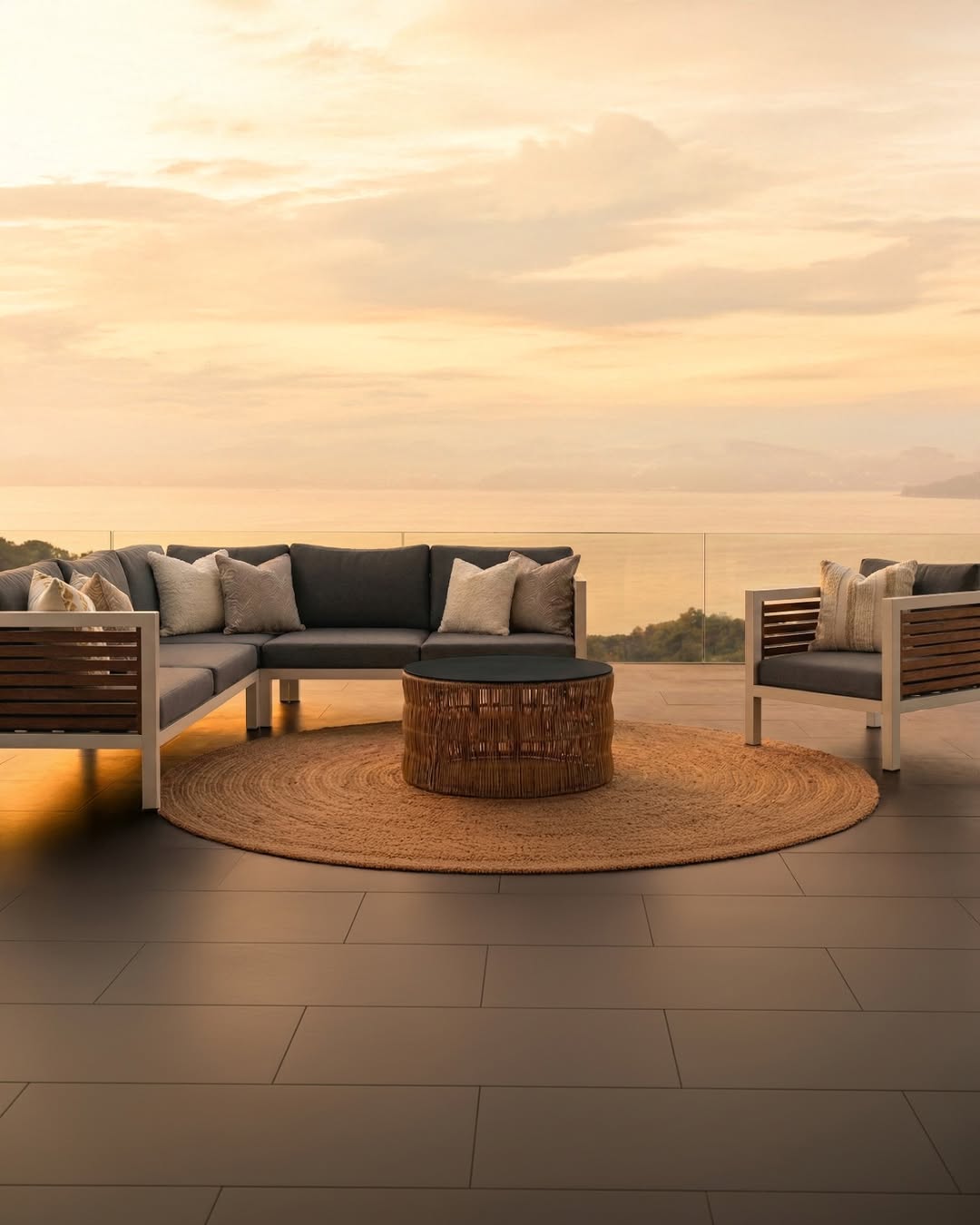
Outdoor living space styled with contemporary furniture and natural textures

@ikonik_luxury_furniture

Follow Us on Instagram
Instagram post by Ikonik Luxury Furniture