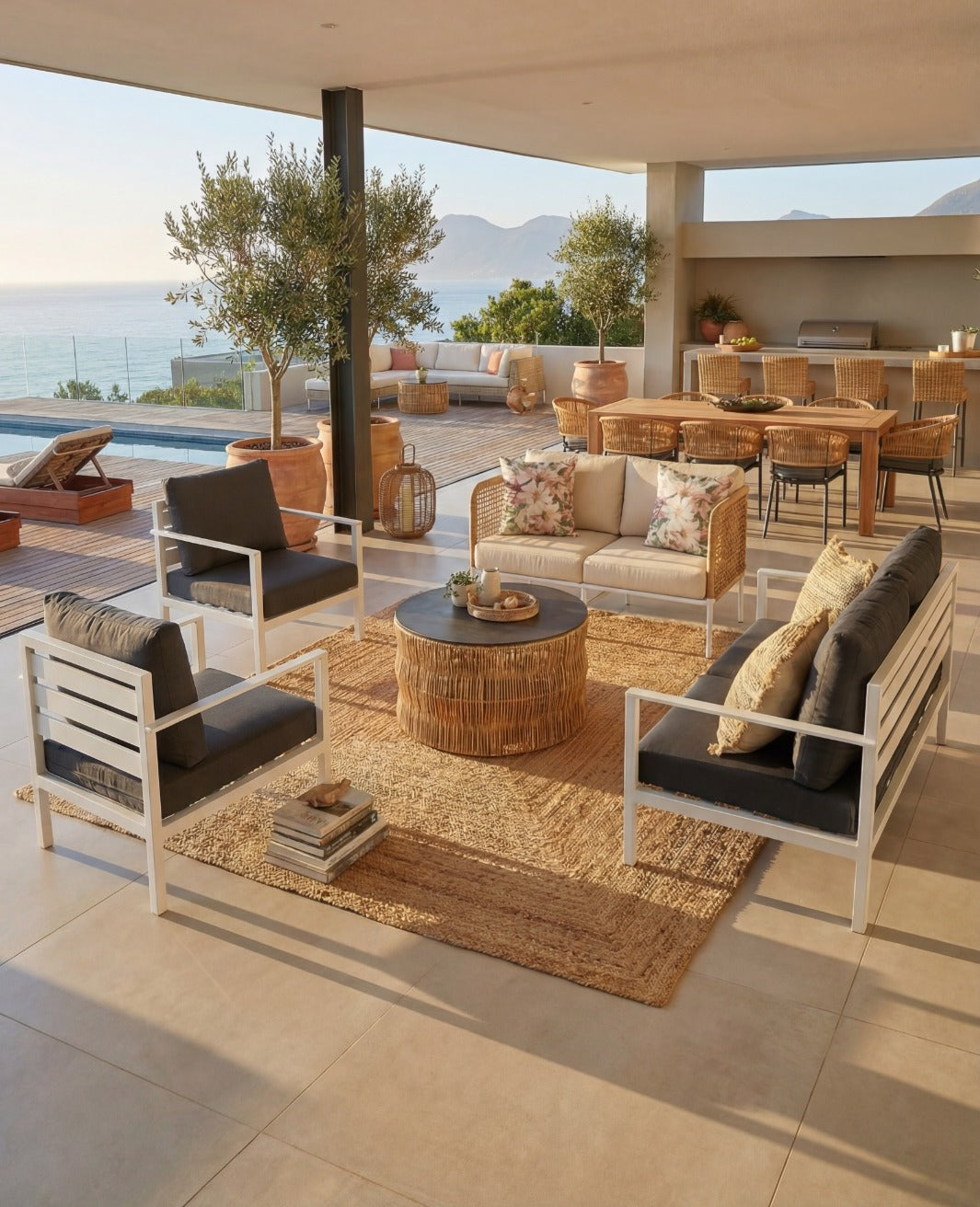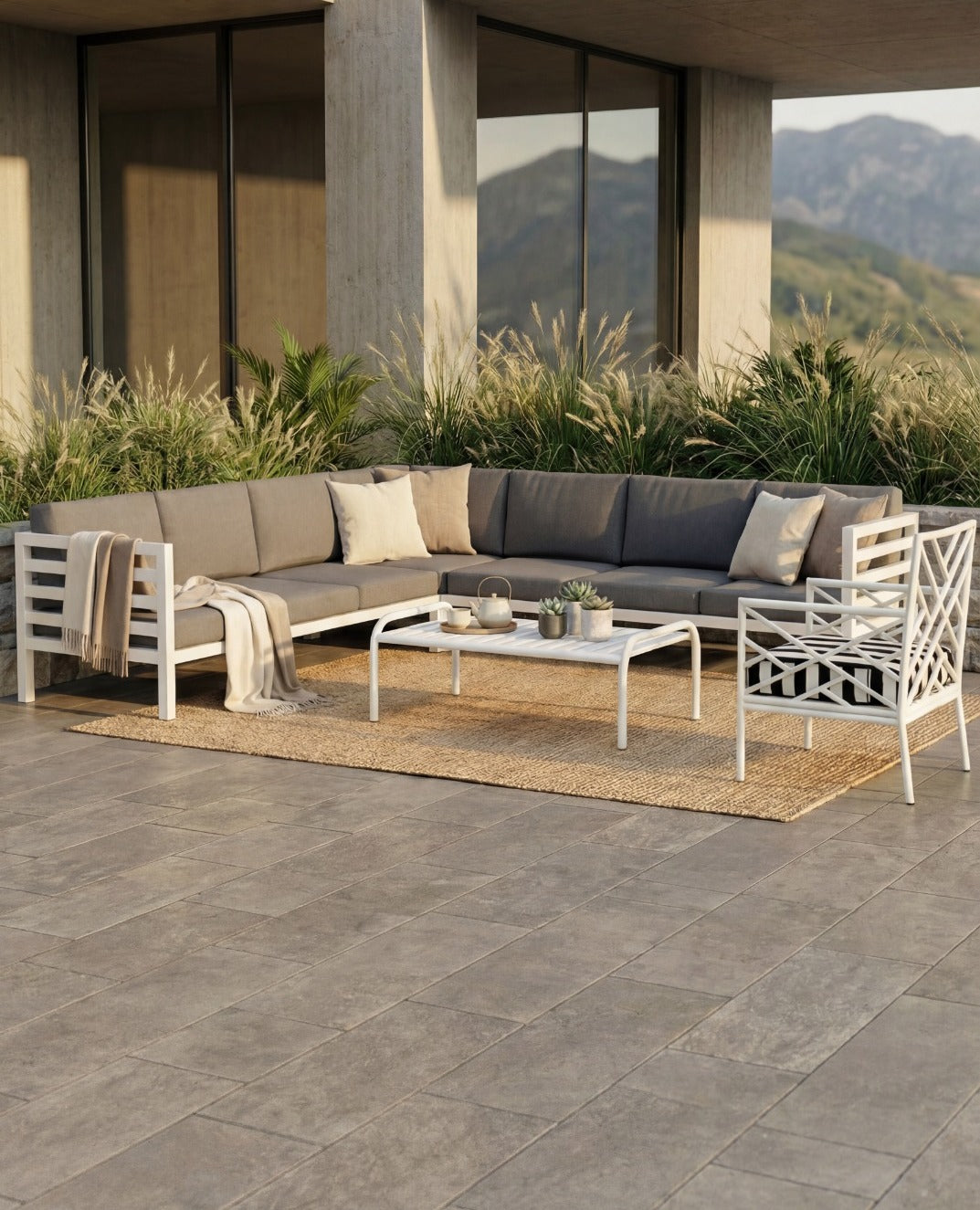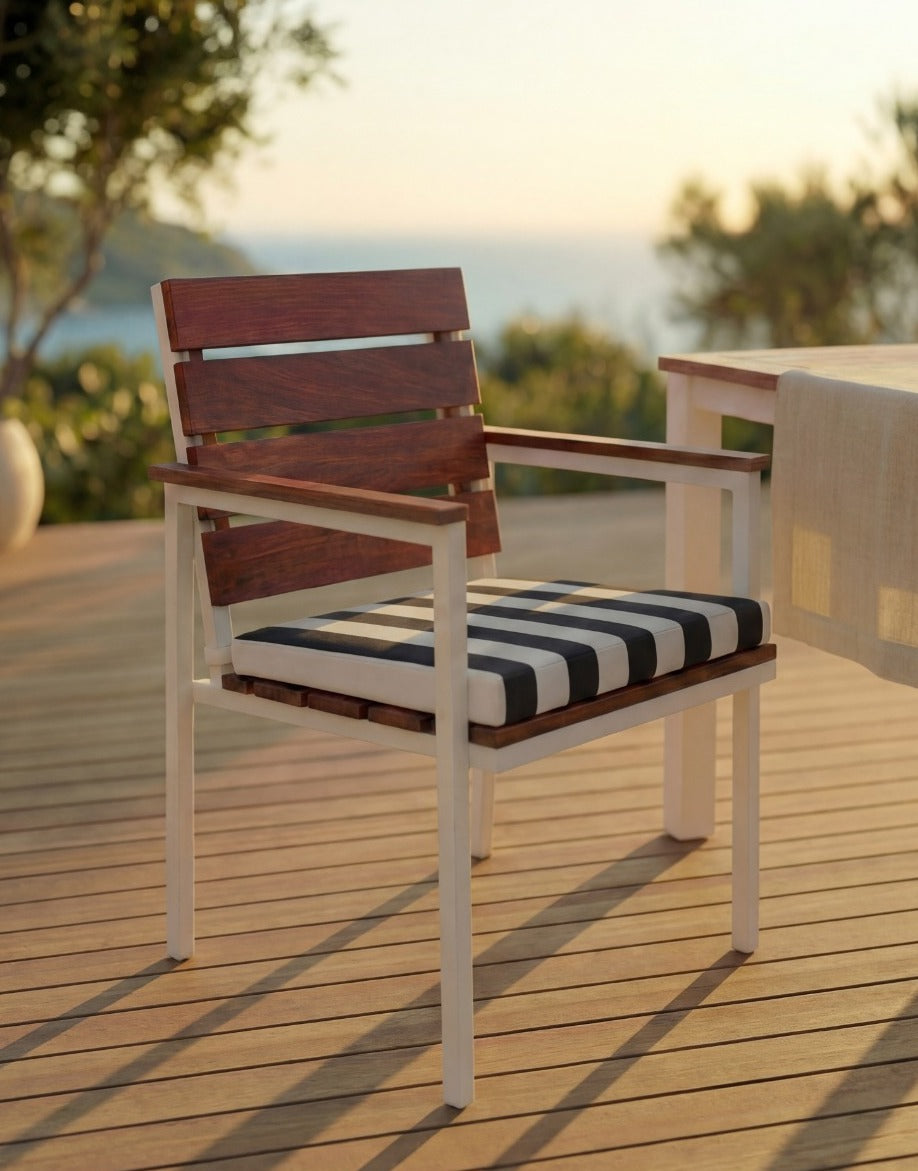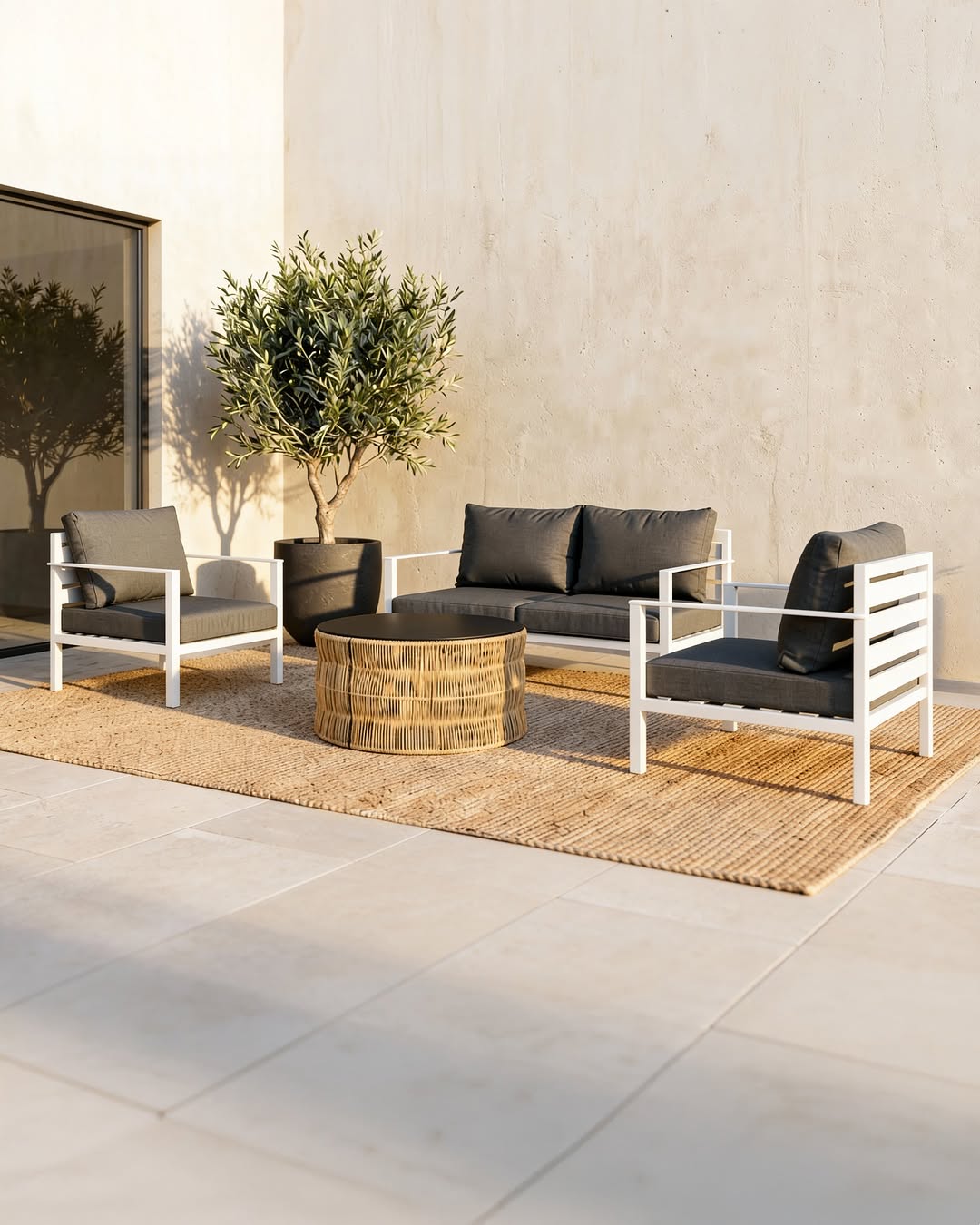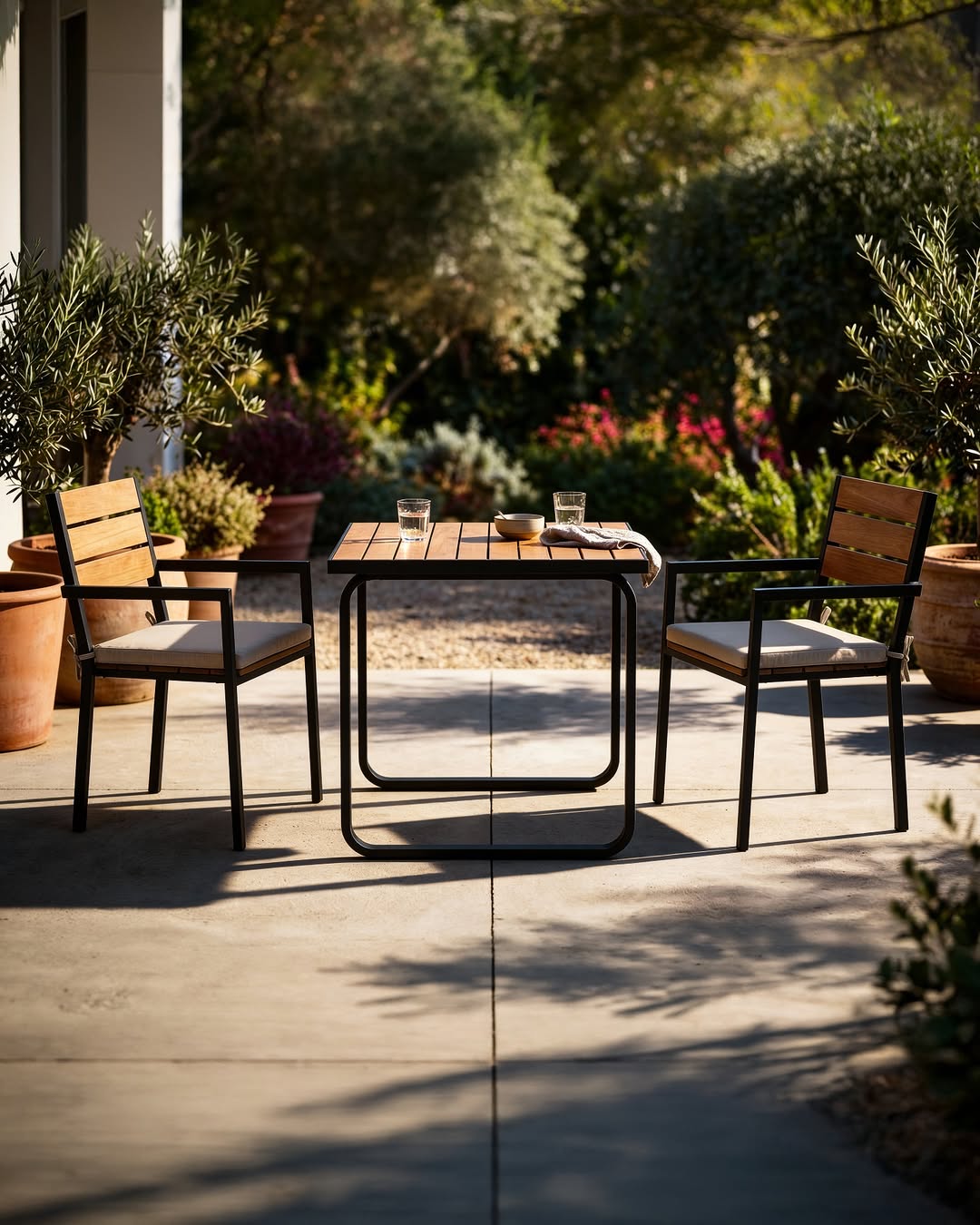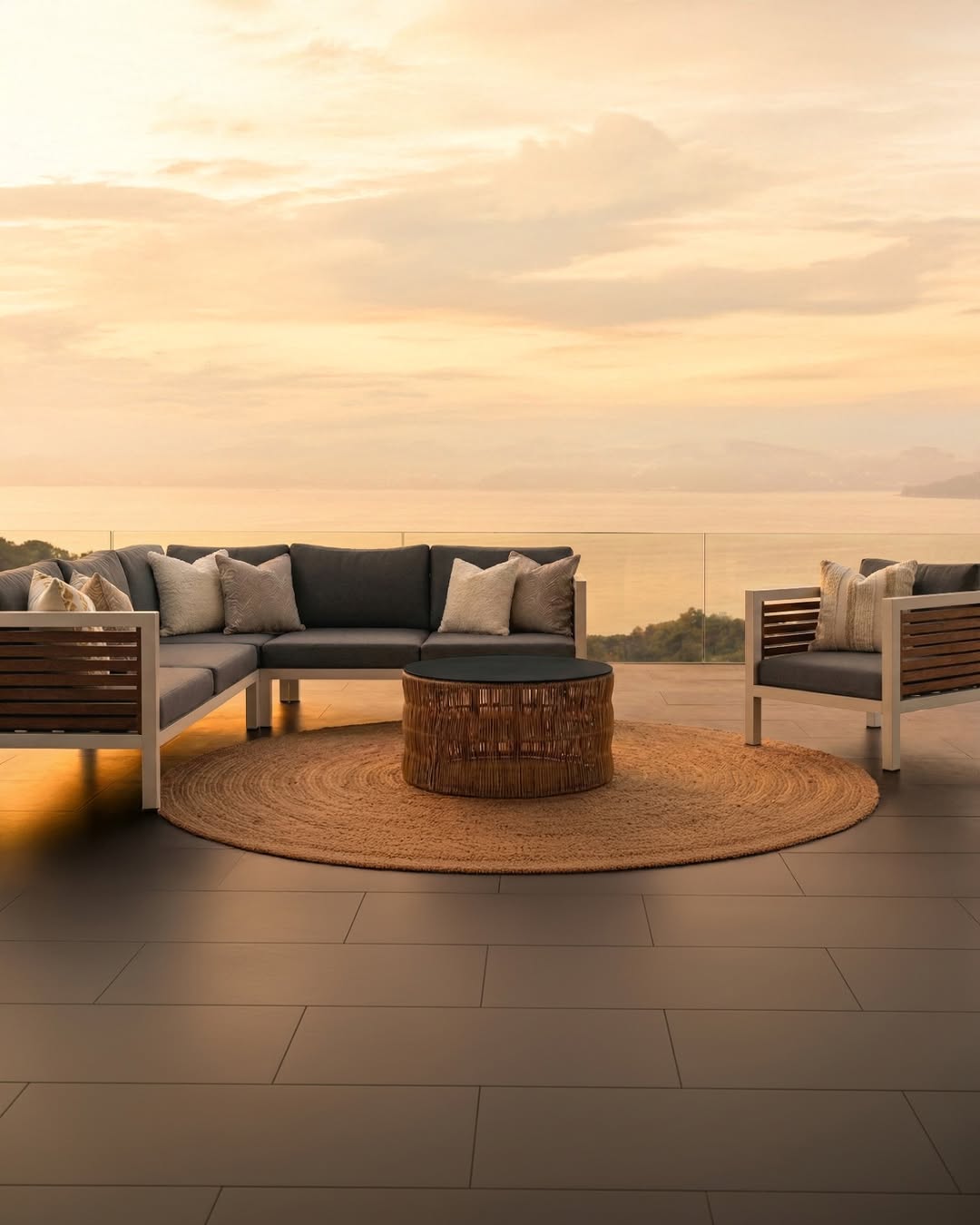

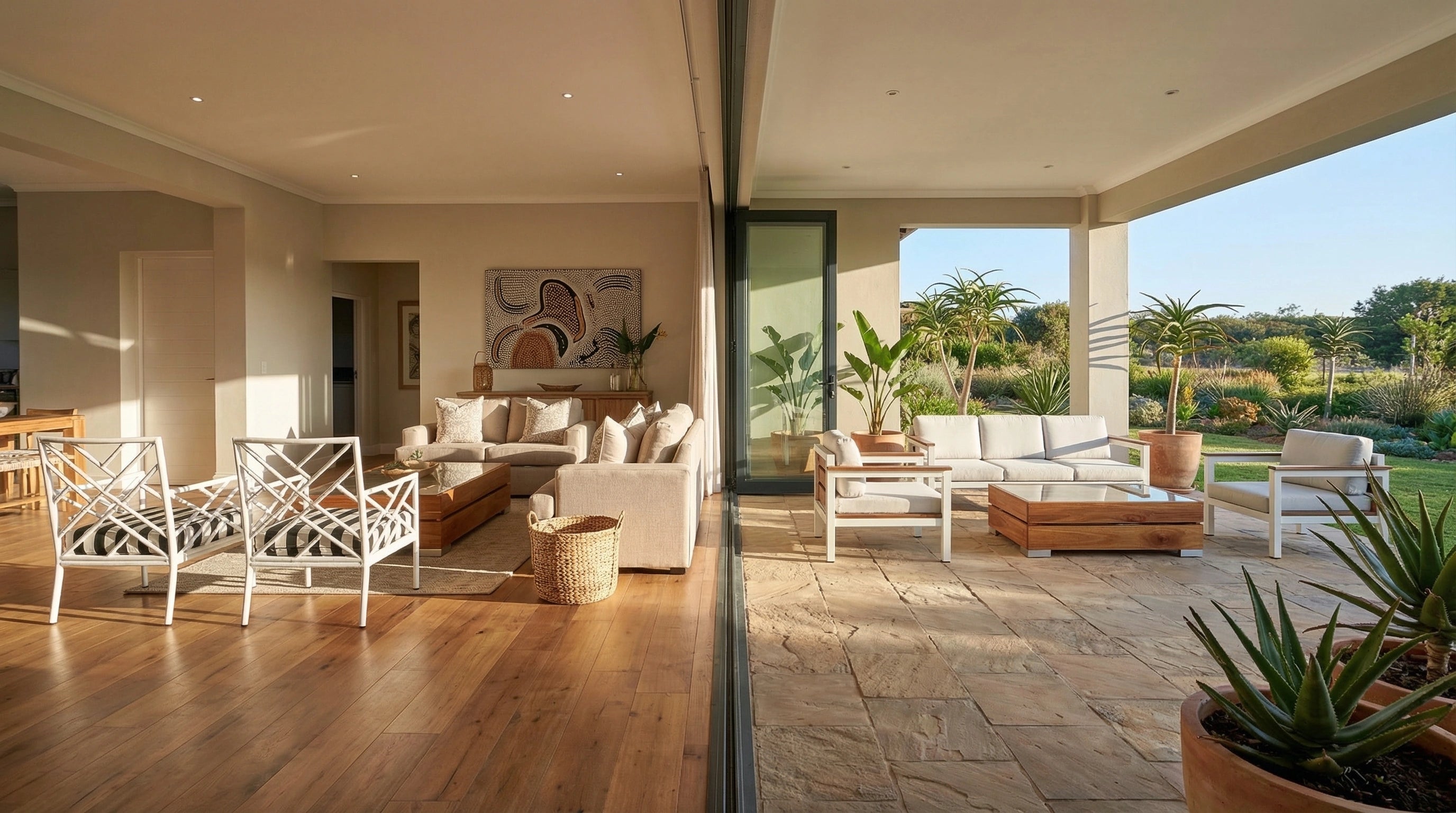
A beautifully styled living room with a low-profile sofa, layered textures and warm natural light
ADVICE

How to Style Your Living Room: Layout Ideas for Every Space

By Ikonik Luxury Furniture, Editorial Team6 min read

The living room is the most personal space in your home. It is where you read on quiet mornings, where friends gather on Saturday evenings, where children build worlds out of cushions and blankets. Unlike a kitchen or a bathroom — rooms shaped largely by function — the living room is shaped by how you choose to live. Every sofa position, every side table, every rug underfoot is a decision about comfort, connection and character.

Yet for all its importance, the living room is the room most people struggle to get right. The sofa feels too large or too small. The layout does not quite flow. There is a nagging sense that something is missing — or that something is in the way. More often than not, the issue is not the furniture itself but how the room is arranged. A well-considered layout transforms even the most modest space into one that feels generous, grounded and entirely yours.

What follows is not a set of rigid rules but a collection of approaches — ways of thinking about your living room that respond to the shape of your space, the way you use it and the atmosphere you want to create. Whether you are starting from scratch or rethinking a room that has never quite worked, the answers are closer than you think.

The Conversation Layout

There is something quietly powerful about two sofas facing one another. It is the oldest arrangement in the book, and it endures because it works. When seating is oriented inward — towards the people in the room rather than towards a screen or a window — conversation becomes the natural activity. Eye contact is easy. The distance between seats is close enough for intimacy but generous enough for comfort. A coffee table or ottoman placed between the two anchors the arrangement and gives everyone somewhere to set a glass or rest a book.

This layout suits rooms where gathering is the priority. A formal sitting room, a front lounge that receives guests, a space where you host dinner parties that inevitably migrate from the table. The key is symmetry — not rigid, decorative symmetry, but a balanced proportion that gives the room a sense of calm. Two sofas of similar scale, a pair of side tables, matching table lamps at either end. The repetition creates rhythm, and rhythm is what makes a room feel resolved.

If two full sofas feel too heavy for the room, substitute one for a pair of armchairs. The effect is the same — seating that faces inward, that invites dialogue — but the visual weight is lighter. In a narrower room, this can be the difference between a layout that breathes and one that feels crowded. The conversation layout rewards restraint: fewer pieces, placed with intention, given room to do their work.

The Open-Plan Layout

Open-plan living is the defining spatial idea of contemporary homes, and it brings a particular challenge: how do you create a sense of the living room when there are no walls to define it? The answer lies not in physical barriers but in visual ones — furniture placement, rugs and lighting that carve distinct zones from a single continuous floor.

The sofa is your most important tool here. Positioned with its back to the kitchen or dining area, it draws an invisible line between zones without closing anything off. A generous rug beneath the seating group reinforces the boundary — step onto it and you have arrived in the living room, even though the dining table is only a few metres behind you. The rug should be large enough that all front legs of the sofa and chairs sit on it; anything smaller and the effect is lost.

In open-plan spaces, consistency of material and tone matters enormously. When the eye can travel uninterrupted from one end of the room to the other, any jarring contrast — a bright rug against cool-toned flooring, a heavy dark sofa in a light-filled space — registers immediately. Choose a palette that flows. Warm timbers, natural linens, stone and matte ceramics create a continuous thread that unifies the space without making it monotonous. Let the living zone feel like a chapter in the same story, not a different book entirely.

“A well-considered layout transforms even the most modest space into one that feels generous, grounded and entirely yours.”

The L-Shape Layout

The sectional sofa has earned its place in the modern living room, and for good reason. An L-shaped arrangement wraps around a corner, maximising seating without consuming the centre of the room. It is particularly effective in smaller spaces where a traditional two-sofa layout would feel oppressive — the sectional hugs the walls, freeing up floor area and creating a sense of openness that belies the room’s dimensions.

Position the longer arm of the L along the primary wall and let the shorter arm define the edge of the seating area. This creates a natural nook — a sheltered, almost cocoon-like space that is deeply comfortable for everyday use. A round or oval coffee table works beautifully here; its curves soften the geometry of the sectional and allow easier movement around the room. Avoid the temptation to push the sofa flush against every wall. Even a few centimetres of breathing room between the back of the sofa and the wall makes the arrangement feel more considered and less like an afterthought.

The L-shape layout is forgiving. It accommodates families who sprawl, readers who stretch out, and evenings where everyone ends up in the same corner of the house. Dress it with a mix of cushion sizes — larger lumbar cushions for support, smaller accent cushions for texture — and a throw draped over the arm. It should look lived-in, because that is exactly what it is for.

Layering Textures and Materials

A room with a single texture is a room that falls flat. It does not matter how beautiful the sofa is or how well the layout works — if every surface shares the same weight and finish, the space will feel incomplete. Texture is what gives a living room its third dimension, the quality that makes you want to reach out and touch things.

Start with the largest surfaces and work inward. If your sofa is upholstered in a smooth linen, introduce a chunky knit throw across one arm. If your coffee table is polished timber, place a rough ceramic bowl or a stack of cloth-bound books on top. Cushions are the easiest way to layer — mix velvets with bouclé, cotton with wool, woven with embroidered. The contrasts should feel natural rather than deliberate, as though the textures have accumulated over time rather than been arranged all at once.

Rugs deserve particular attention. A flatweave on hard flooring is functional but unexciting. A deep-pile wool rug beneath the coffee table, however, transforms the entire seating area — it softens footsteps, absorbs sound and creates a sense of warmth that radiates outward. In warmer climates, jute and sisal offer texture without heaviness. The rug is the foundation layer; get it right and everything placed on top of it gains depth.

Do not overlook the hard surfaces. A marble side table beside a linen sofa. A brass floor lamp against a matte plaster wall. A leather-bound tray on a wooden console. These material conversations — stone against fabric, metal against wood — are what elevate a living room from pleasant to memorable.

Lighting as Design

Lighting is the element most often left until last and most frequently responsible for a room that does not feel right. A single overhead fitting — no matter how handsome — will flatten a living room into something that feels clinical and exposed. The rooms that draw you in are the ones with layered light: ambient, task and accent, working together to create warmth and dimension.

Table lamps are the workhorses of living room lighting. Placed on side tables at either end of a sofa, they create pools of warm light that define the seating area without illuminating the entire room. Choose lamps with fabric shades — linen, cotton, even paper — that diffuse light softly. The glow should feel like an invitation, not an interrogation.

A floor lamp beside an armchair serves a dual purpose: it provides reading light and acts as a sculptural element in its own right. An arching floor lamp can define a corner of the room, drawing the eye and creating a sense of height. Pair it with a low side table and a comfortable chair, and you have created a reading nook without building a single wall.

Candlelight should not be reserved for special occasions. A cluster of pillar candles on the coffee table or a pair of taper holders on the mantelpiece transforms the atmosphere of a room in an instant. Light, ultimately, is mood — and mood is what makes a living room feel like somewhere you want to be, long after the practical need for illumination has passed.

The Finishing Touches

A living room is never finished by its largest pieces alone. It is the smaller decisions — the objects you choose to keep on surfaces, the artwork you hang, the way a side table is styled — that give a space its personality. These finishing touches are where your living room stops being a layout and starts being yours.

Coffee table styling is an art of restraint. A stack of two or three books, a small sculptural object, a candle or a vase with a single stem — enough to give the surface interest without making it feel cluttered. The objects should vary in height and material. A ceramic bowl, a hardback book, a brass candleholder: the contrast is what creates visual richness. Resist the urge to fill every centimetre; the empty space around the objects is as important as the objects themselves.

Side tables should be practical first and decorative second. A lamp, a coaster, a small dish for everyday items — that is enough. If the surface disappears under a pile of remotes, magazines and forgotten glasses, the table is too small or the room needs better storage elsewhere. The side table’s job is to support the life that happens on the sofa beside it, quietly and without fuss.

Artwork is the final layer. A single large piece above the sofa anchors the room and gives the eye a resting point. A gallery wall of smaller works adds energy and tells a story over time — collected pieces, framed photographs, a mix of mediums and scales. Hang artwork at eye level, not too high; it should feel connected to the furniture below it, part of the same composition rather than floating above it. When the finishing touches are right, the room stops asking for attention and simply holds it.


Featured in This Article

Outdoor living space styled with contemporary furniture and natural textures

@ikonik_luxury_furniture

Follow Us on Instagram
Instagram post by Ikonik Luxury Furniture