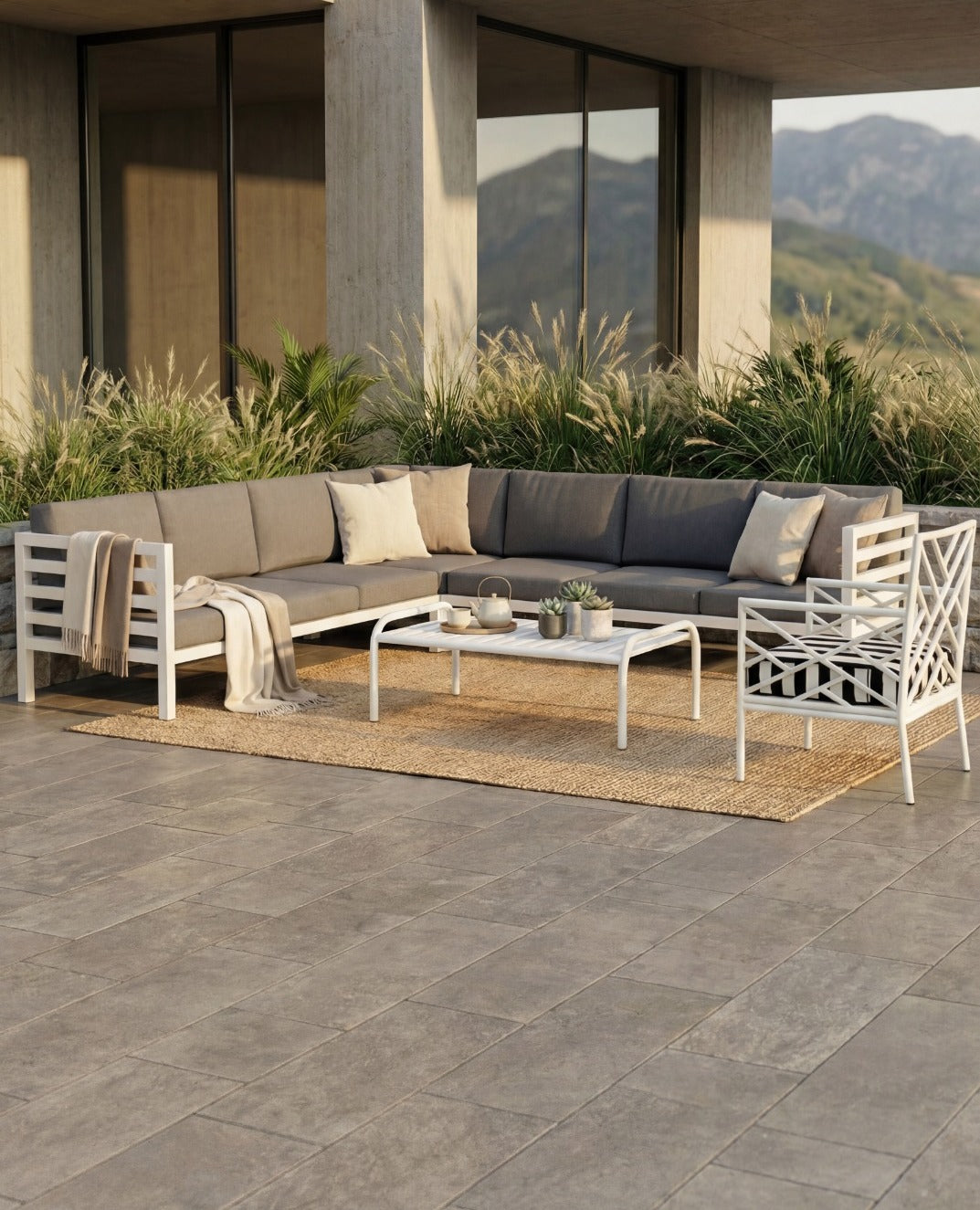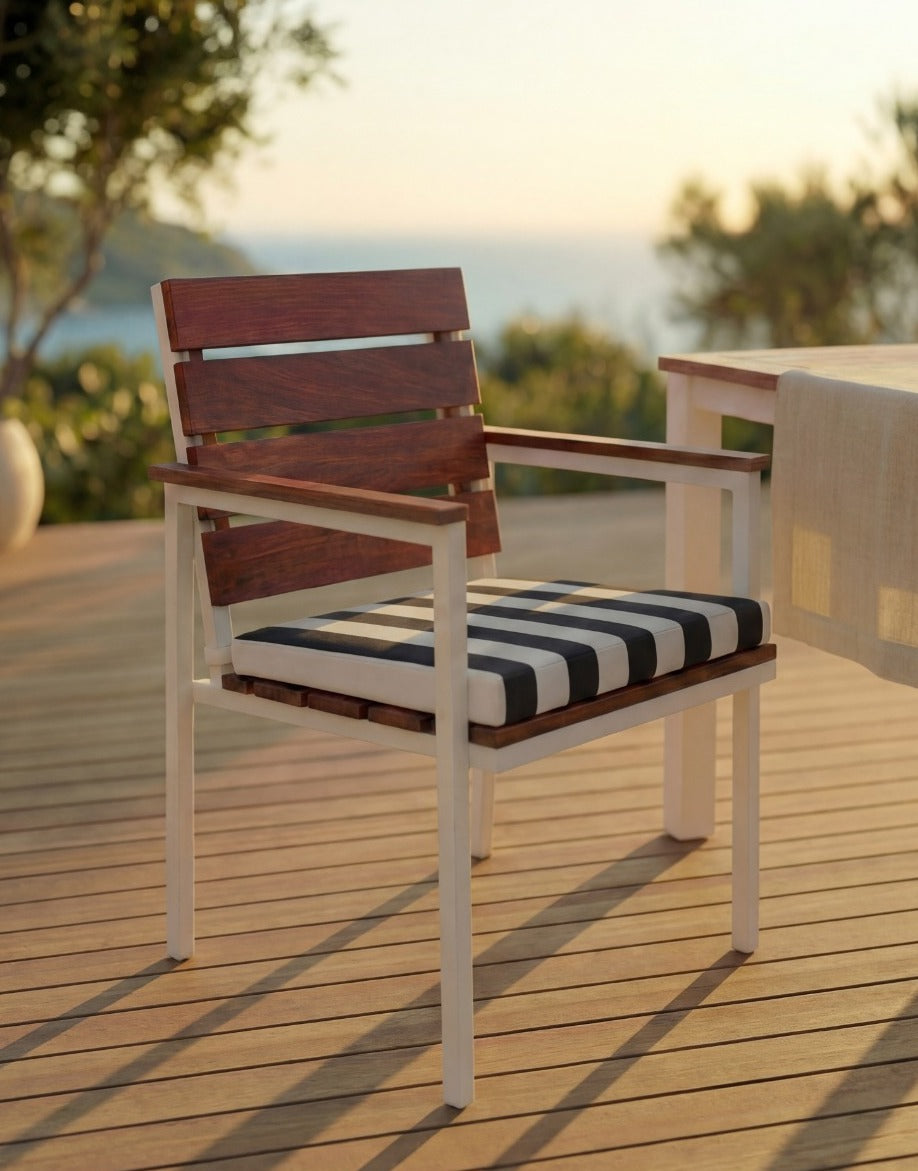

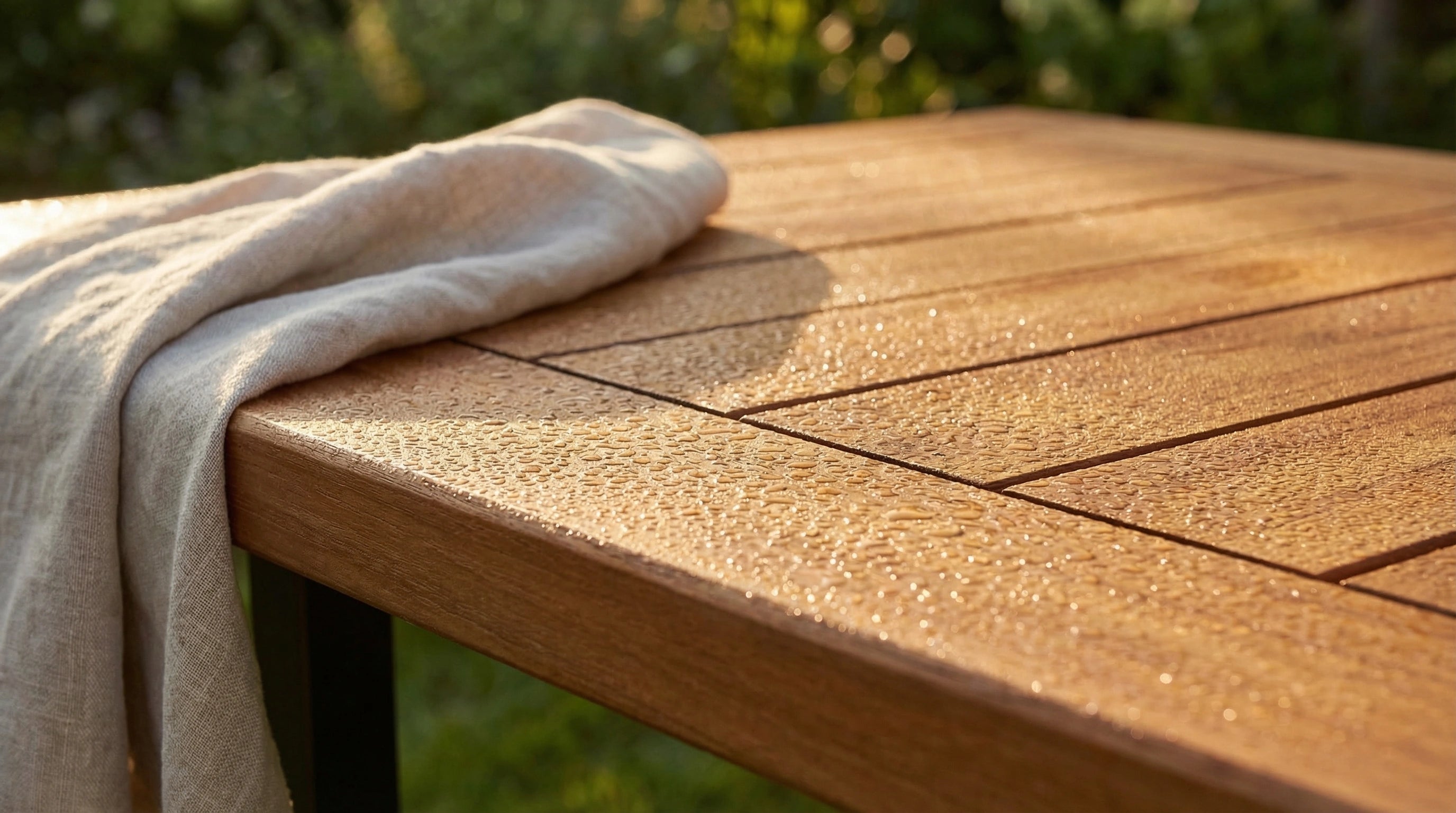
A richly grained solid wood dining table in warm afternoon light, showing the natural patina of well-maintained timber
ADVICE

Wooden Furniture Care: Protecting Your Investment

By Ikonik Luxury Furniture, Editorial Team3 min read

Wood is a living material. Long after the tree has been felled and the timber shaped into a dining table or sideboard, it continues to respond to the world around it — expanding in humid summers, contracting through dry winters, deepening in colour as the years pass. This is not a flaw. It is the very quality that makes solid wood furniture so enduringly beautiful, and so profoundly different from anything manufactured to imitate it.

Yet that living character demands a measure of respect. A well-crafted wooden table will outlast the house it sits in, provided you understand what it needs. The good news is that caring for wood is neither complicated nor time-consuming. It is a series of small, deliberate habits — the kind that become second nature once you know why they matter.

Whether you have recently invested in your first serious piece of furniture or inherited something with decades of history already written into its grain, this guide will help you protect that investment for the generations still to come.

Daily and Weekly Care

The single most important thing you can do for your wooden furniture is also the simplest: dust it regularly. Dust particles, left to accumulate, act as fine abrasives that gradually dull the finish every time something is dragged across the surface. A soft, lint-free cloth — microfibre is ideal — run lightly along the grain once or twice a week is all it takes to prevent this.

Avoid commercial sprays that contain silicone. They leave a slick residue that builds up over time, trapping dust beneath a synthetic film and making future refinishing far more difficult. If you feel the surface needs a little more than a dry wipe, dampen the cloth very slightly with water and follow immediately with a dry pass. That is enough. Wood does not need to be polished every week — it needs to breathe.

For everyday spills, blot rather than wipe. Wiping pushes liquid across the surface and into the grain; blotting lifts it away. Keep a clean cloth within reach of the dining table, and address spills promptly. Most finishes will protect the timber for a few minutes, but no finish is a permanent barrier against standing moisture.

Moisture Protection

Water is wood's oldest adversary. A single glass left without a coaster on an oiled oak table can leave a white ring that takes patience and effort to remove. Prevention is always easier than repair, and the tools are disarmingly simple: coasters beneath glasses, trivets beneath hot dishes, and placemats beneath plates. These are not fussy affectations — they are the frontline defence of a surface you intend to keep for decades.

If a water ring does appear, there are several reliable remedies before you reach for sandpaper. A cloth dampened with a mixture of equal parts white vinegar and olive oil, rubbed gently along the grain, will often lift a fresh mark within minutes. For stubborn rings on lacquered surfaces, a thin paste of bicarbonate of soda and water applied with a soft cloth, then buffed away, can work remarkably well. The key is gentleness — aggressive rubbing will damage the finish far more than the water ever did.

“A piece of wooden furniture that has been properly cared for does not simply age — it matures. Every year adds depth to the grain, warmth to the colour, and character to the surface.”

Seasonal Maintenance

Two or three times a year, set aside an afternoon to give your wooden furniture the attention that daily care cannot provide. Begin with a thorough clean — a lightly damp cloth followed by a dry one — then apply a thin coat of natural beeswax polish. Work it into the surface along the grain using a soft cloth, allow it to sit for twenty minutes, then buff to a gentle sheen. Beeswax nourishes the timber, replenishes the finish and builds a protective layer that improves with each application.

Humidity is the invisible factor that most people overlook. Wood expands when the air is moist and contracts when it is dry. In South Africa, where summers can be intensely humid and winters bone-dry in the highveld, these fluctuations are significant. If you notice joints loosening or small cracks appearing along the grain during winter, a room humidifier will help stabilise the environment. Conversely, in coastal areas where humidity rarely drops, ensure good ventilation around your furniture to prevent moisture from settling into the timber.

While you have the polish out, take a moment to check every joint and fitting. Tighten any bolts or screws that have worked loose — wood's natural movement can gradually shift hardware over the months. Addressing this early prevents the wobble that, left unchecked, places uneven stress on the frame and accelerates wear at the joints.

Scratch and Damage Repair

Minor scratches are inevitable in a home that is actually lived in, and they need not cause alarm. For light surface marks on dark timber, the old cabinetmaker's trick still works beautifully: rub the meat of a walnut kernel firmly along the scratch. The natural oils darken the exposed wood and blend the mark into the surrounding finish. It is not magic — it is chemistry — and it is remarkably effective on oiled and waxed surfaces.

For deeper scratches that have penetrated the finish, a touch-up pen or wax filler stick matched to the timber colour will conceal the damage without the need for a full refinish. Apply sparingly, allow to dry, then buff lightly with a soft cloth. The goal is not to make the scratch invisible — that is rarely possible — but to prevent moisture from entering the exposed grain and causing further damage beneath the surface.

Know when to call a professional. Deep gouges, structural cracks, veneer lifting, or water damage that has caused the timber to warp are all beyond the scope of home repair. A skilled furniture restorer can often achieve results that look effortless precisely because they understand the material at a level that YouTube tutorials cannot replicate. The cost of professional restoration is almost always less than the cost of replacement — and a well-restored piece carries its history forward rather than erasing it.


Featured in This Article

Outdoor living space styled with contemporary furniture and natural textures

@ikonik_luxury_furniture

Follow Us on Instagram
Instagram post by Ikonik Luxury Furniture