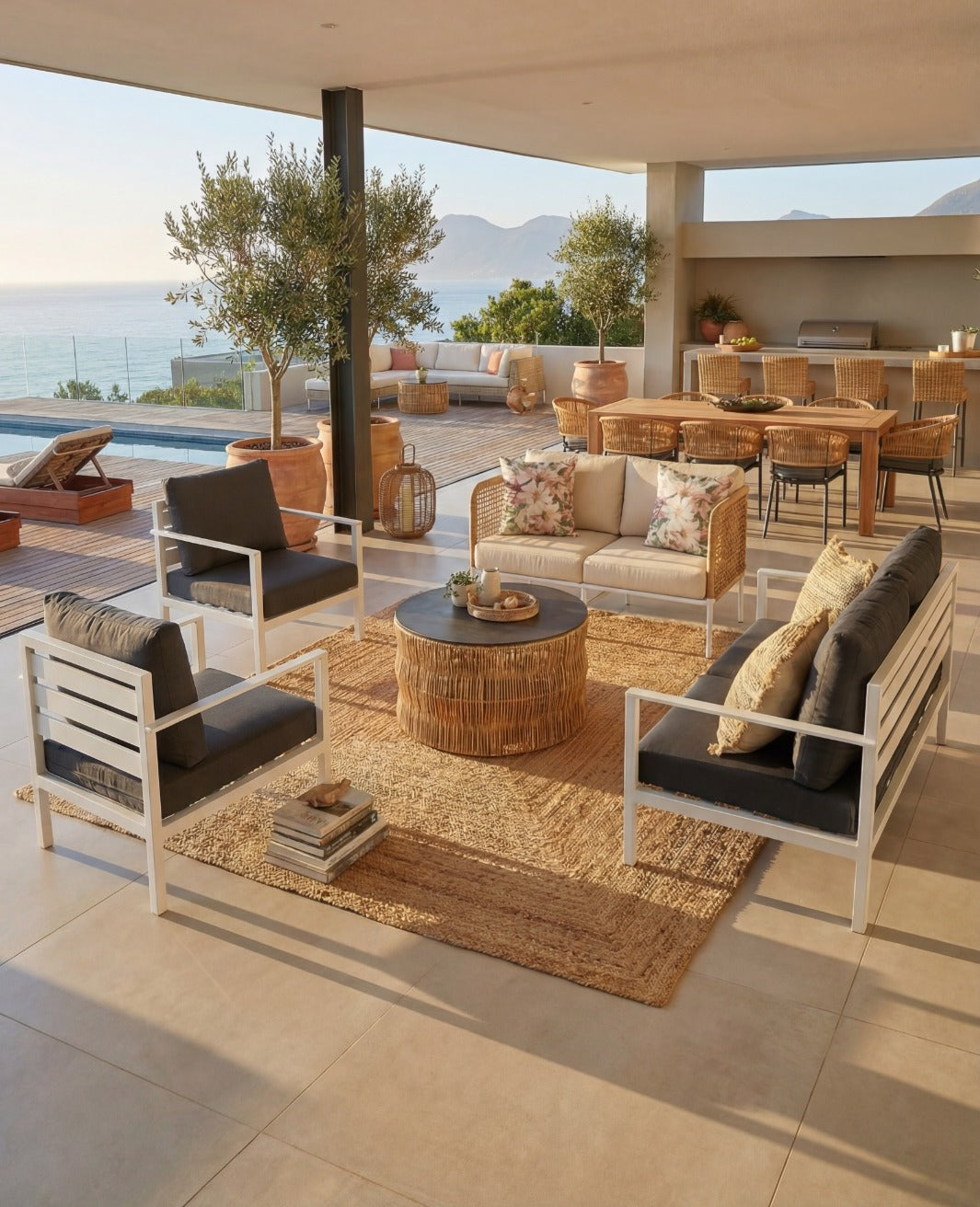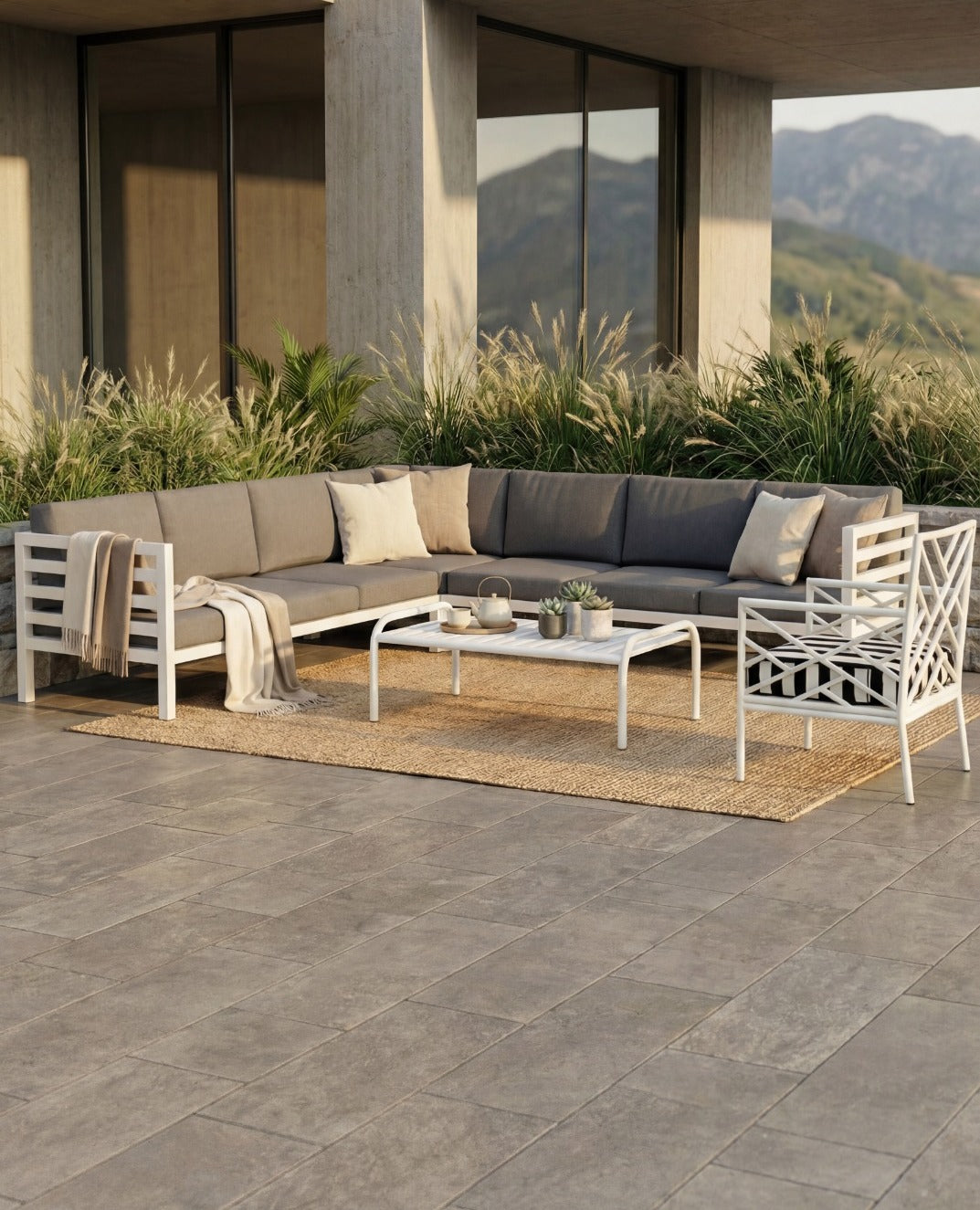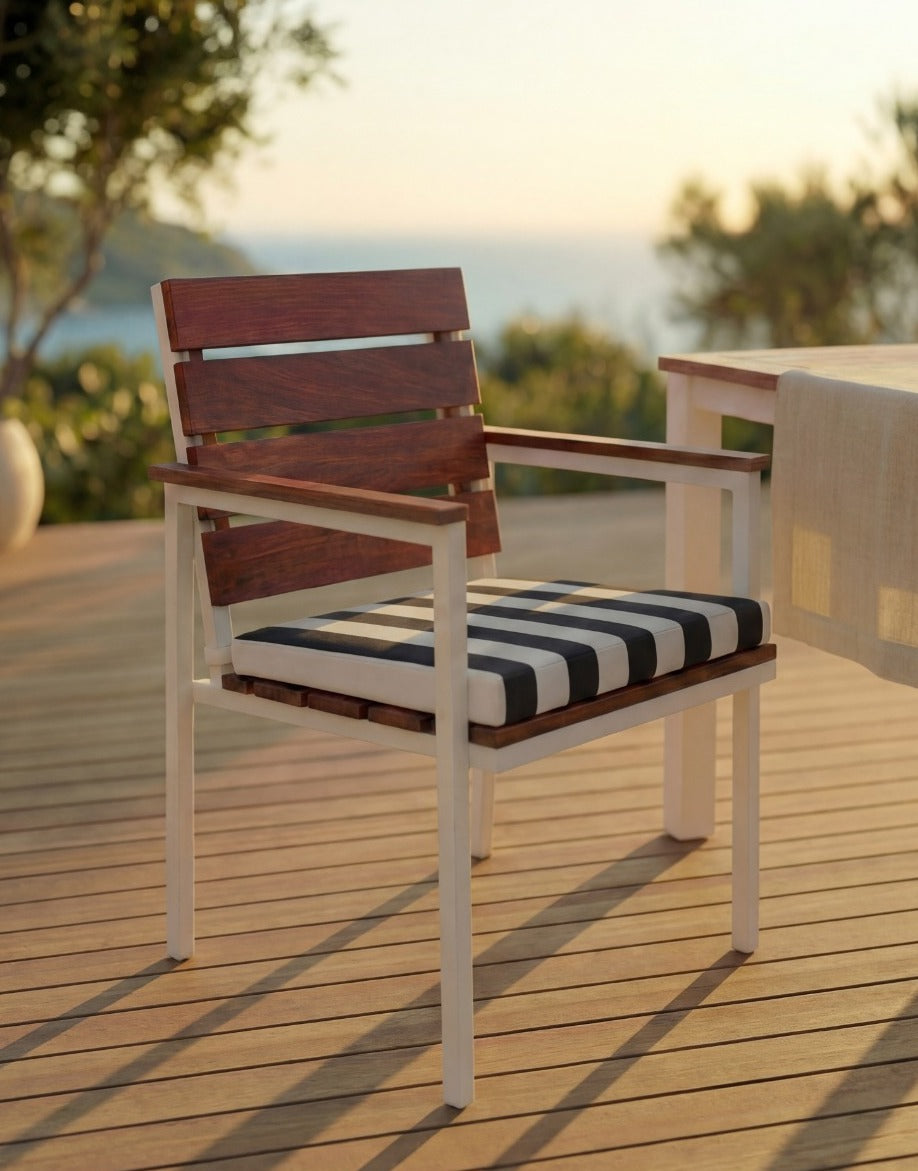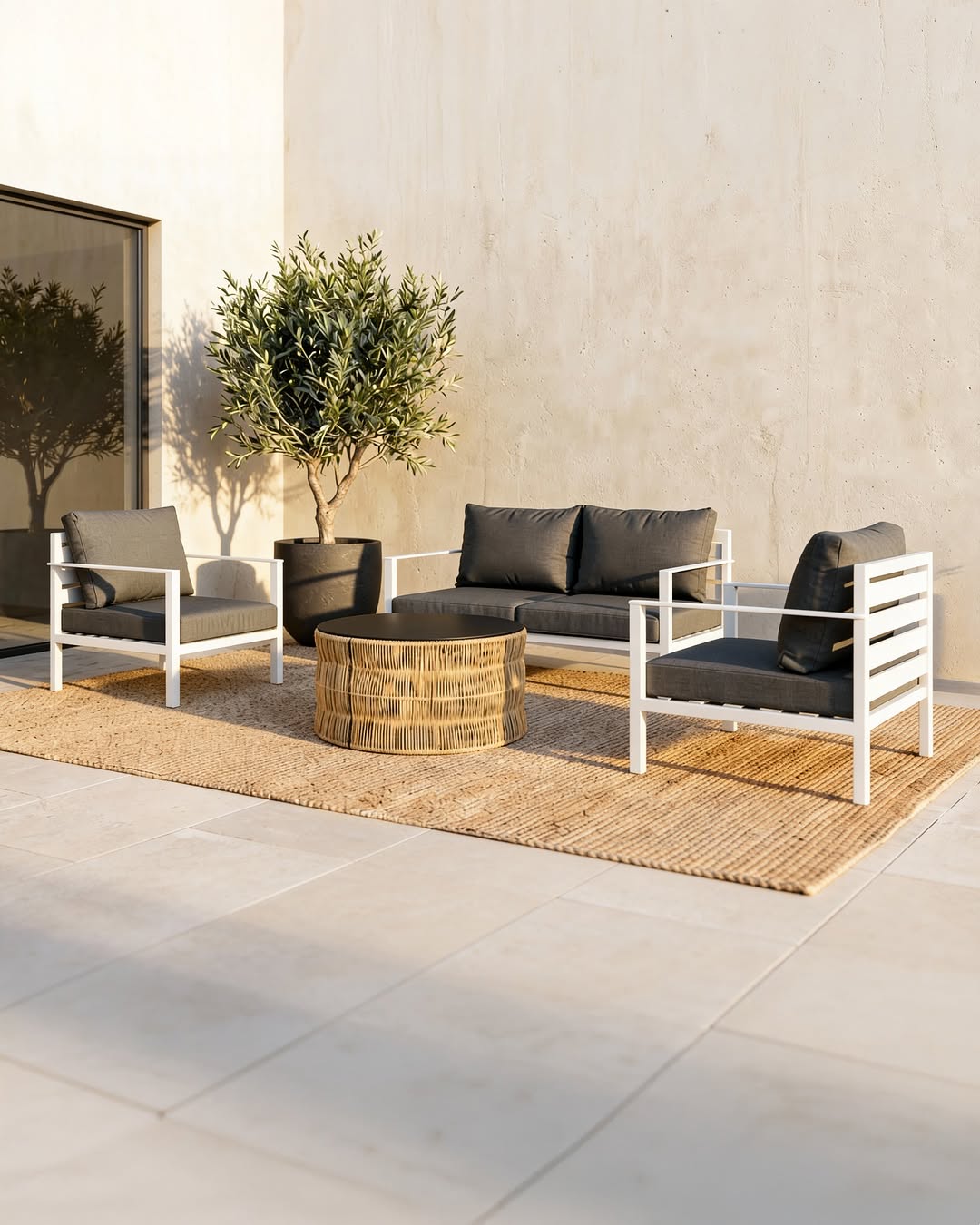

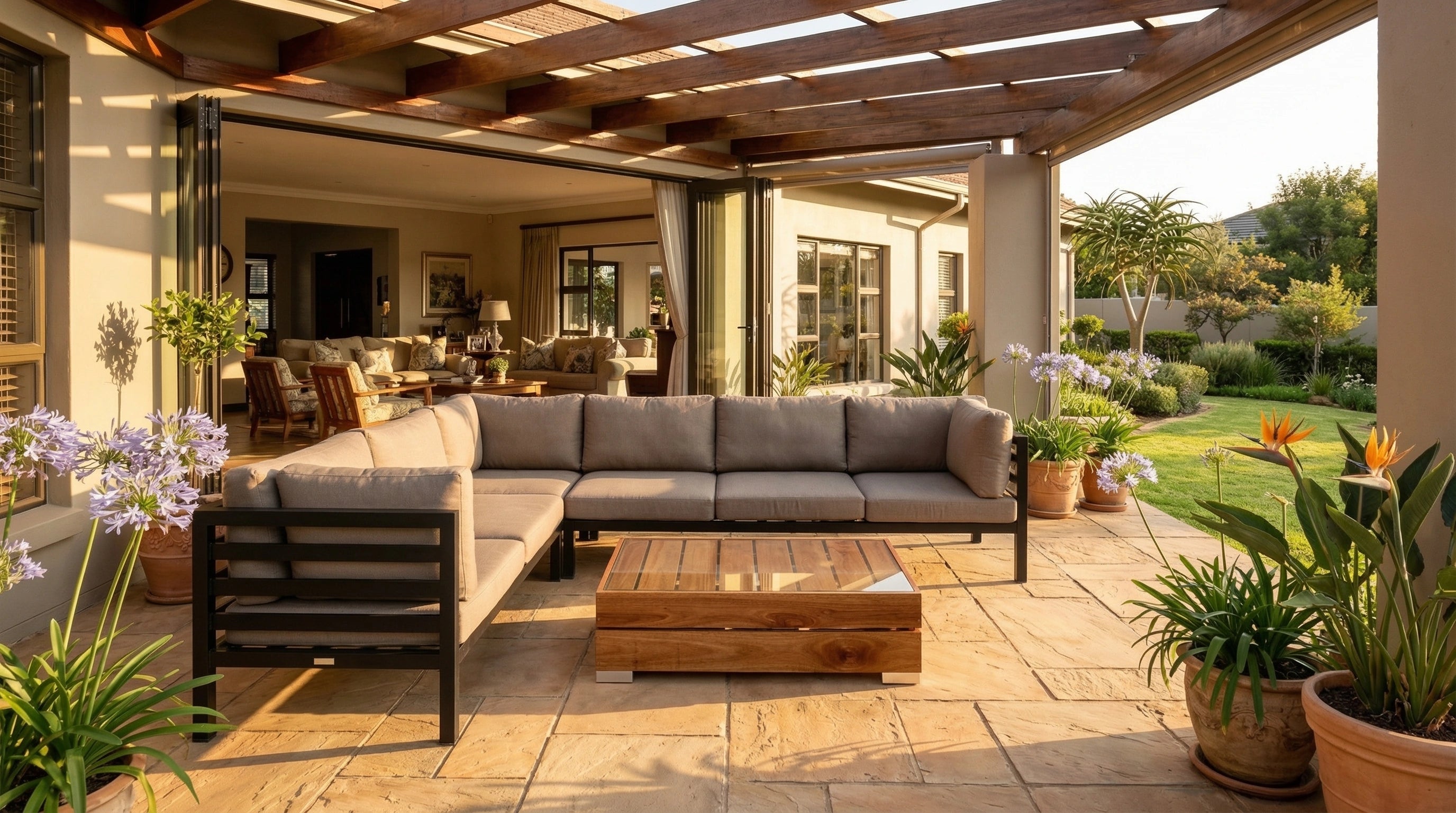
A sun-drenched South African outdoor terrace furnished with natural materials and earthy tones
Journal

The Art of Outdoor Living

By Ikonik Luxury Furniture, Editorial Team8 min read

There was a time when outdoor furniture was an afterthought — flimsy plastic chairs dragged onto a patio, a folding table that served its purpose and little more. That era is behind us. Today, the most compelling homes extend their living spaces outward, treating the garden, terrace and poolside with the same intention and care once reserved for the drawing room.

These are spaces where every piece has been chosen to endure — sun, rain, the salt-laden breeze of a coastal afternoon — while losing none of its beauty. Where the evening light catches the grain of a hardwood dining table and you realise that outdoor living was never a compromise. It was always the destination.

Here in South Africa, we have a particular advantage. Our climate invites us outside for the better part of the year. The stoep is not a threshold; it is a room. The garden is not separate from the house; it is the heart of how we gather, celebrate and unwind. We build our lives around warmth — the warmth of our sun, our braais, our conversations under open skies — and our outdoor spaces should honour that. Designing an outdoor room that tells your story is not about following trends. It is about understanding that the best living happens beyond four walls, and furnishing that life with care.

The Outdoor Lounge: Where Comfort Meets the Elements

An outdoor lounge reveals more about how you live than any room inside the house. It is where you settle with morning coffee as the garden wakes, where children stretch out on cushions after a swim, where friends gather with sundowners as the sky turns amber over the bushveld. The mistake many people make is treating the patio as a temporary space — cheap, replaceable, an afterthought. The outdoor rooms that truly move us are the ones designed with the same conviction as any interior, but built to thrive under open skies.

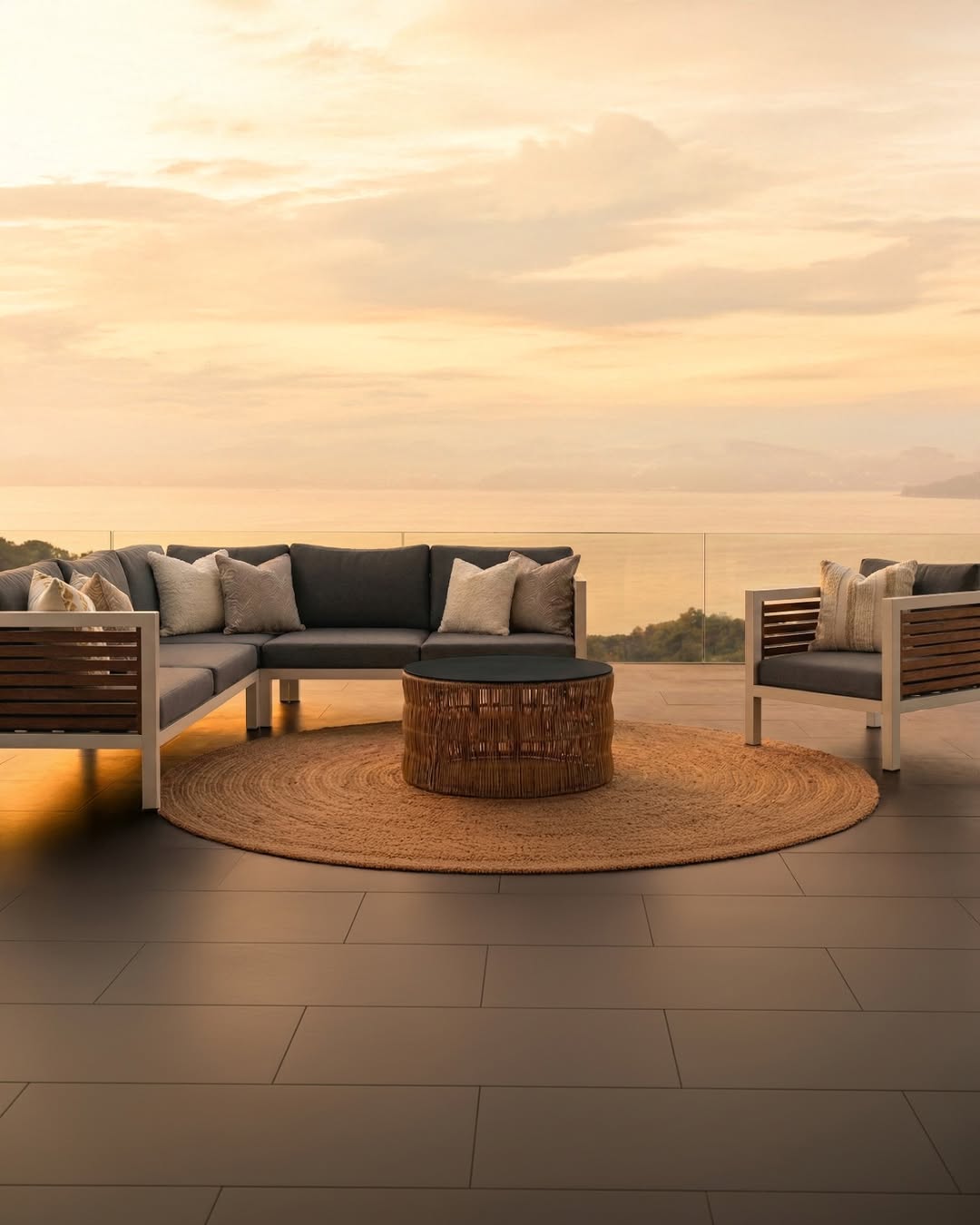
Start with outdoor seating. A generous modular sofa in weather-resistant polywood or powder-coated aluminium is the anchor of the space, and it deserves serious consideration. Think about scale — a deep-seated L-shape on a wide veranda creates a sense of permanence, while a compact two-seater suits a courtyard without overwhelming it. Fabric matters enormously. Solution-dyed acrylic in stone or warm sand resists UV fading and repels moisture, yet feels every bit as inviting as indoor upholstery. If you want richness, outdoor cushions in deep olive or burnt sienna add warmth without sacrificing durability.

From there, layer. A solid hardwood or polywood coffee table with visible grain brings natural texture to the terrace. Scatter cushions in varying outdoor fabrics — think Sunbrella weaves, outdoor bouclé, textured rope — create depth without clutter. The palette should feel drawn from the landscape around you. Warm earthy tones ground an outdoor space: think terracotta, sandstone, charcoal, and the deep brown of weathered teak. These are colours borrowed from the South African terrain, and they never feel forced.

Proportion is the invisible ingredient. A low-slung outdoor armchair beside a tall planter or statement tree creates visual tension that keeps a terrace interesting. An outdoor rug that extends beyond the seating grouping ties everything together and signals that this is not merely a patio — it is a room. These are not rules so much as rhythms — once you feel them, you cannot unsee them.

Alfresco Dining: The Table Under Open Skies

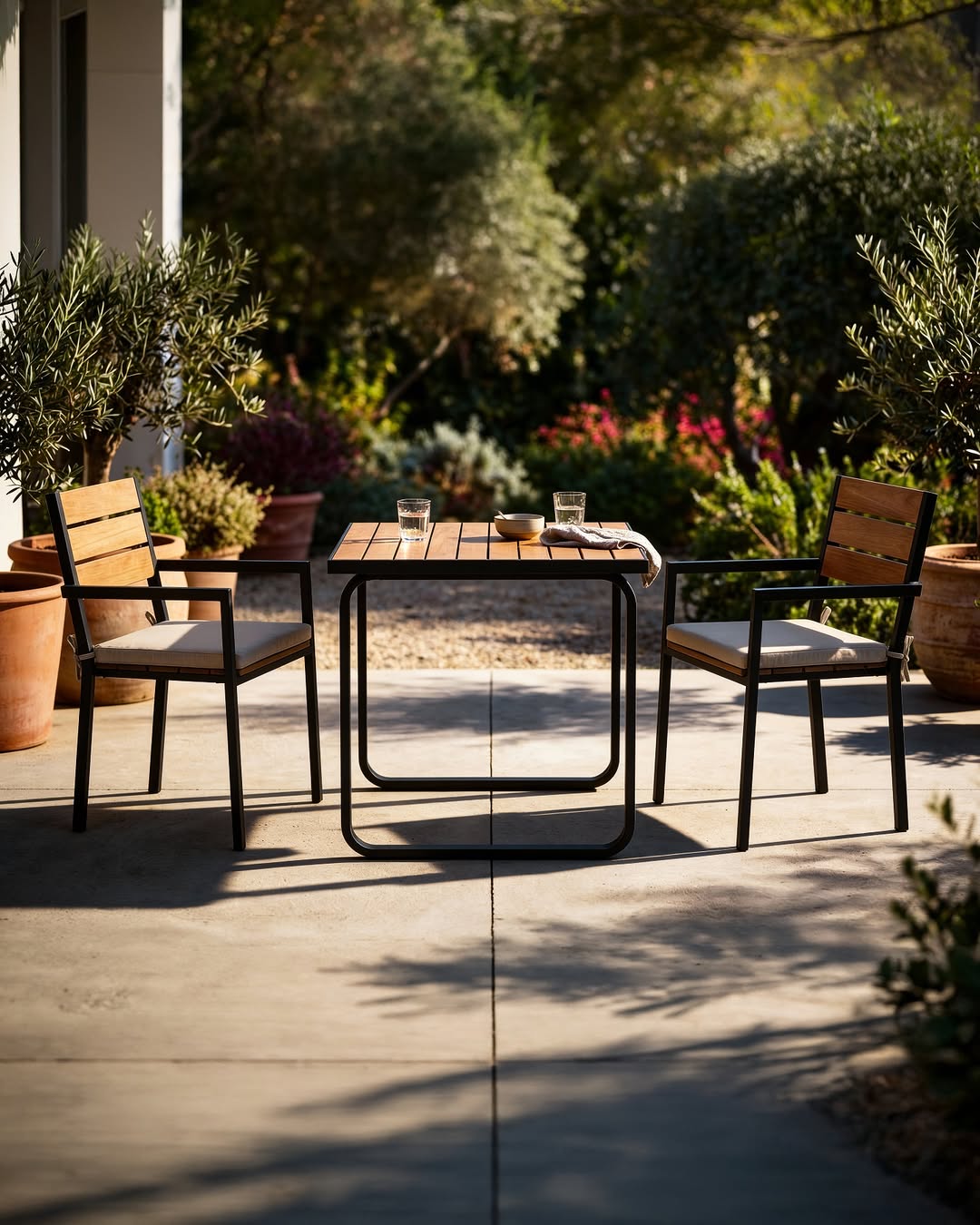
South Africans understand something about dining that many cultures have forgotten: the best meals happen outside. Our Sunday lunches stretch into the golden hour beneath a pergola draped in jasmine. Our braais are not just cooking — they are occasions, rituals, the centrepiece of how we gather. We pull up extra chairs and make room for whoever arrives. An outdoor dining table, then, is not simply a surface — it is the stage for some of the most important moments in your life, set against the backdrop of sky and garden.

Choose a table built to endure seasons. Solid hardwood sealed with marine-grade epoxy is unmatched here — it weathers gracefully, it marks with character, it carries the memory of every meal shared across it under the stars. An extending outdoor table is practical for South African entertaining, where the guest list is rarely fixed and the weather rarely disappoints. Pair it with chairs crafted from woven rope, cane or powder-coated aluminium — comfortable enough for long conversations, resilient enough to stay outside year-round. A weather-resistant cushion in a neutral outdoor fabric makes all the difference between a guest who stays for dessert and one who stays until the lanterns burn low.

The art of the outdoor table setting is underrated. It does not require formality — a linen runner weighted against the breeze, handmade ceramics in matte earth tones, a few stems of protea or strelitzia cut from the garden. Hurricane lanterns and pillar candles transform even the simplest alfresco meal. The goal is atmosphere, not performance. When the table feels considered, the evening unfolds naturally — and nobody wants to go inside.

“The most beautiful spaces are not found within four walls. They are the ones that invite you to sit down under the sky, stay a while, and feel entirely at home in the open air.”

Poolside and Garden Retreats: Quiet Luxury Outdoors

If the outdoor lounge is where you entertain, the poolside retreat is where you restore. This is a space that should ask nothing of you. No agenda, no performance, no visual clutter — just the sound of water, the warmth of stone underfoot, and a daybed that invites you to disappear into an afternoon. The most luxurious outdoor retreats are not the largest or the most elaborately landscaped — they are the ones that feel like an exhale the moment you step into them.

A generous sun lounger in marine-grade polywood or powder-coated aluminium — paired with a deep cushion in warm sand or soft charcoal — sets the tone immediately. It is substantial without being heavy, designed to weather years of South African sun without cracking, fading or losing its form. For something more indulgent, an outdoor daybed with a canopy creates a private sanctuary beside the pool or beneath a mature tree. Dress it in layers: a fitted outdoor sheet, quick-dry cushions in tones that shift with the afternoon light, a lightweight throw for when the Cape evening breeze arrives.

Side tables should balance beauty and resilience. A polywood or concrete piece with clean lines — just enough surface for a book, a cold drink, a pair of sunglasses — keeps the space uncluttered. Choose materials that handle moisture and heat without complaint: sealed hardwood, recycite, or brushed stainless steel. Simplicity here is intentional, and intention is the entire point.

Resist the urge to over-furnish the garden. An outdoor retreat with fewer, better pieces always feels more generous than one crowded with accessories. A single oversized planter with indigenous grasses, a stone water feature tucked into a corner, a pair of lanterns flanking the path — these are enough. The luxury is in the negative space between you and the horizon.

Outdoor Living With Intention

There is a particular satisfaction in owning outdoor furniture that improves with time. A hardwood dining table whose patina deepens with every season spent under the sun. A polywood lounger that remains as true in its fifth year as its first. An outdoor sofa whose frame has weathered a hundred afternoon storms and emerged more characterful for it. These are not disposable things — they are companions in the outdoor life you are building, crafted from materials chosen precisely because they endure.

The philosophy is simple, even if the execution requires patience: choose fewer pieces, and choose them for the long term. Invest in the furniture you gather around every weekend — the outdoor sofa where sundowners happen, the lounger where you read on Saturday mornings, the dining table that hosts every braai and birthday. Let the rest be earned over time. A well-designed outdoor space is never truly finished; it evolves with the garden, absorbing new seasons and new memories without losing its sense of self.

This is what we mean by the art of outdoor living. It is not about achieving a look for a photograph. It is about creating an environment that draws you outside — grounded, at ease, surrounded by pieces that belong in the landscape as naturally as the trees that shade them. In a country as beautiful and sun-blessed as ours, where the sky alone is a design element and the garden is a room without a ceiling, the raw materials for extraordinary outdoor living are already here. The only question is what story you want your space to tell.


Featured in This Article

Outdoor living space styled with contemporary furniture and natural textures

@ikonik_luxury_furniture

Follow Us on Instagram
Instagram post by Ikonik Luxury Furniture