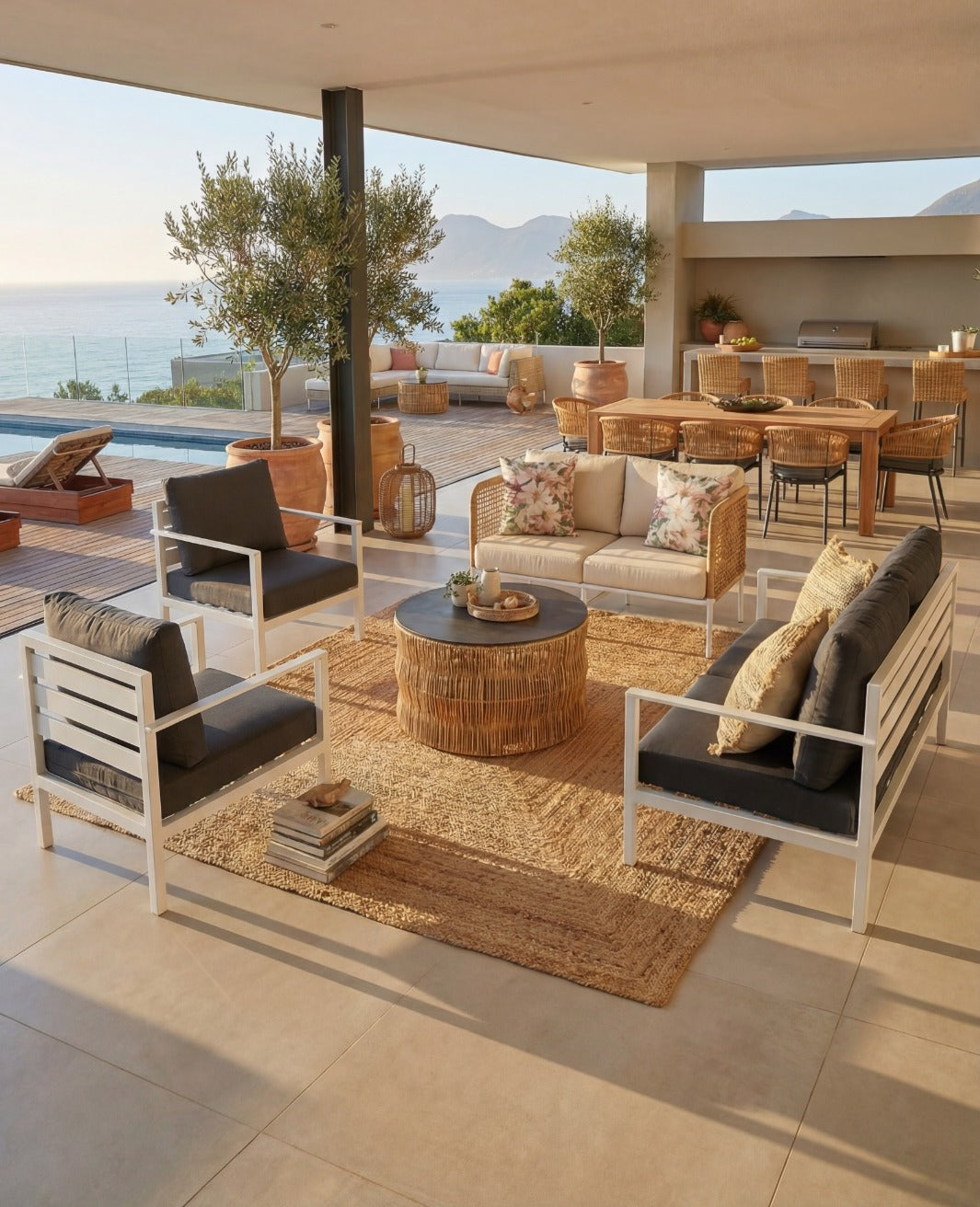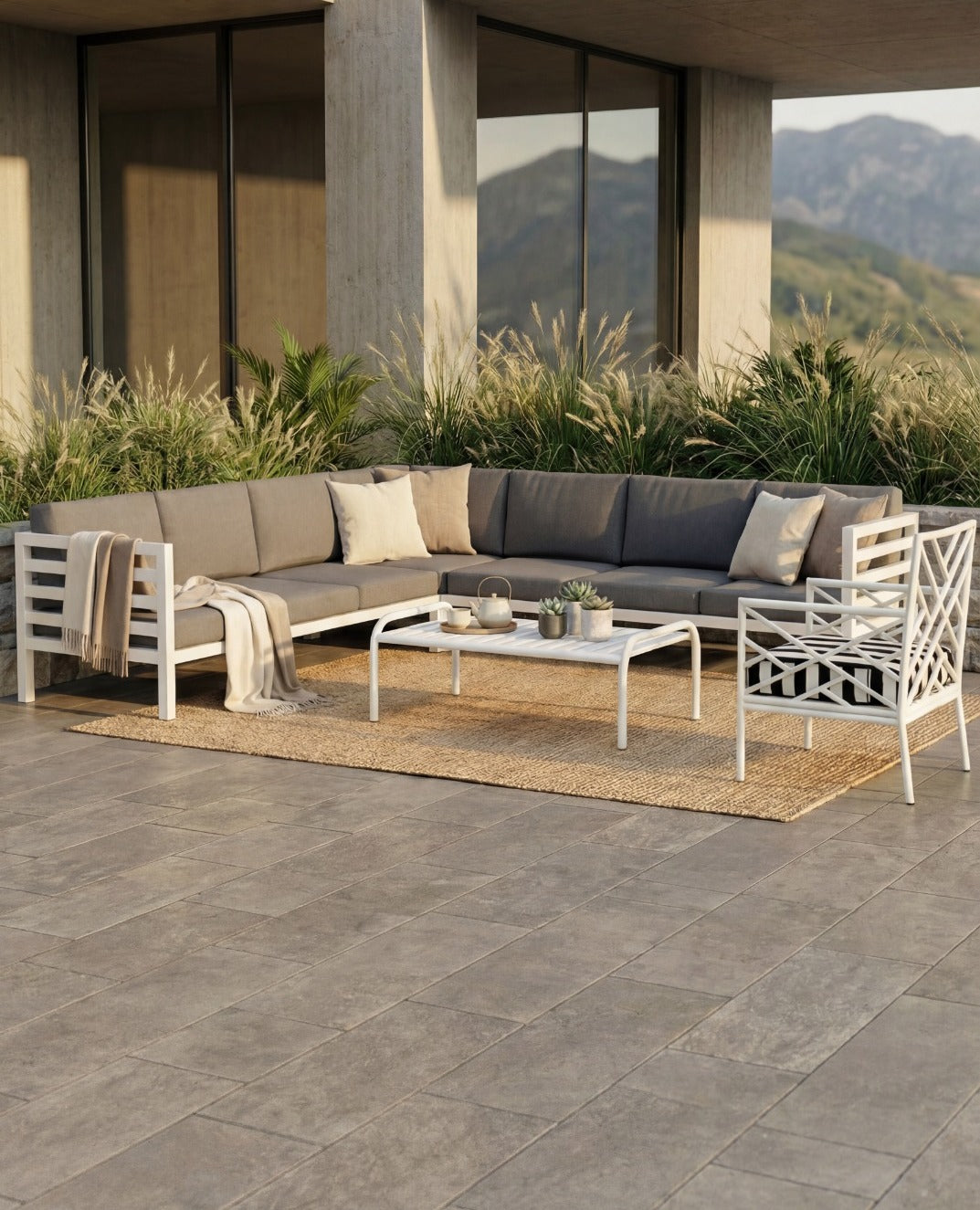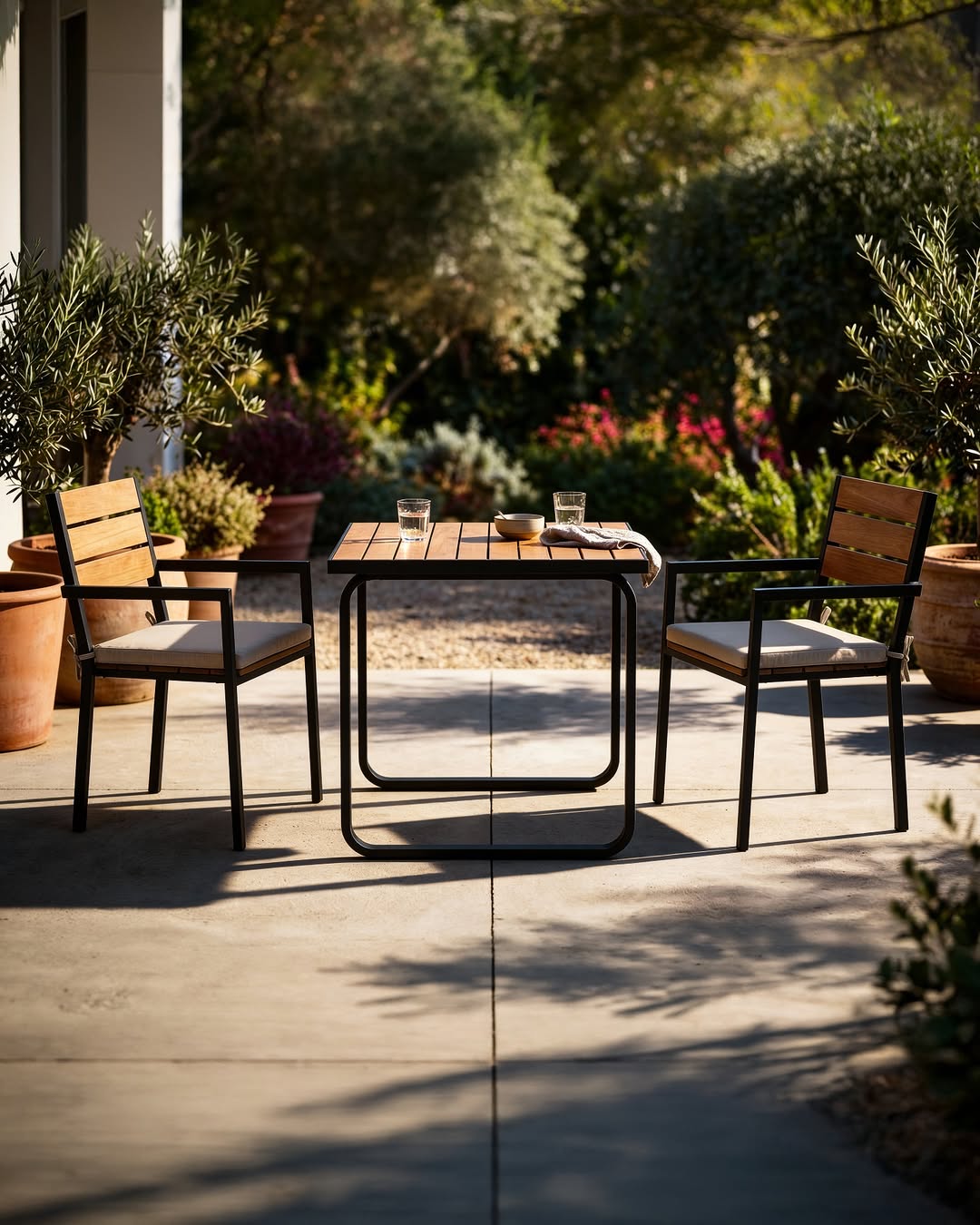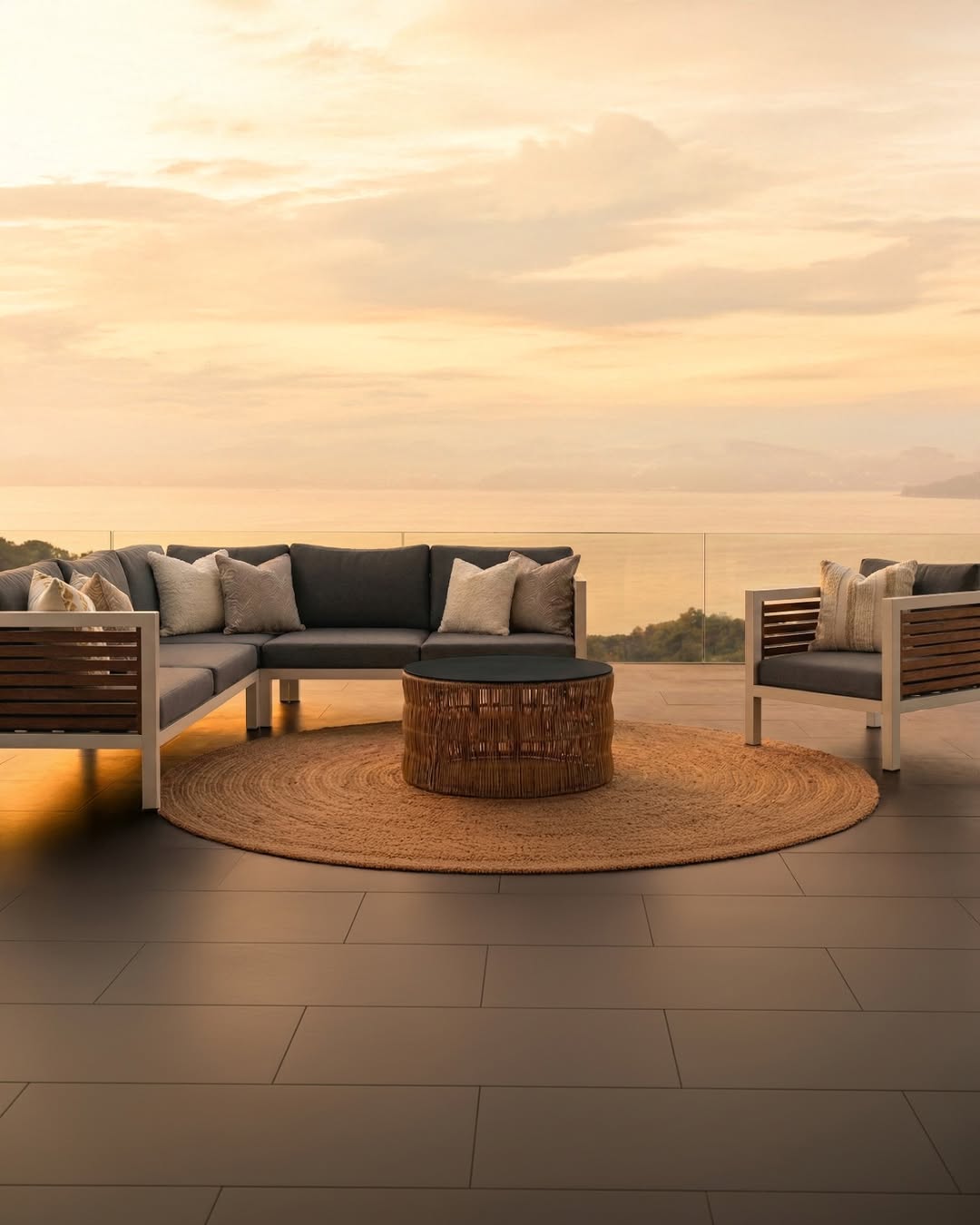

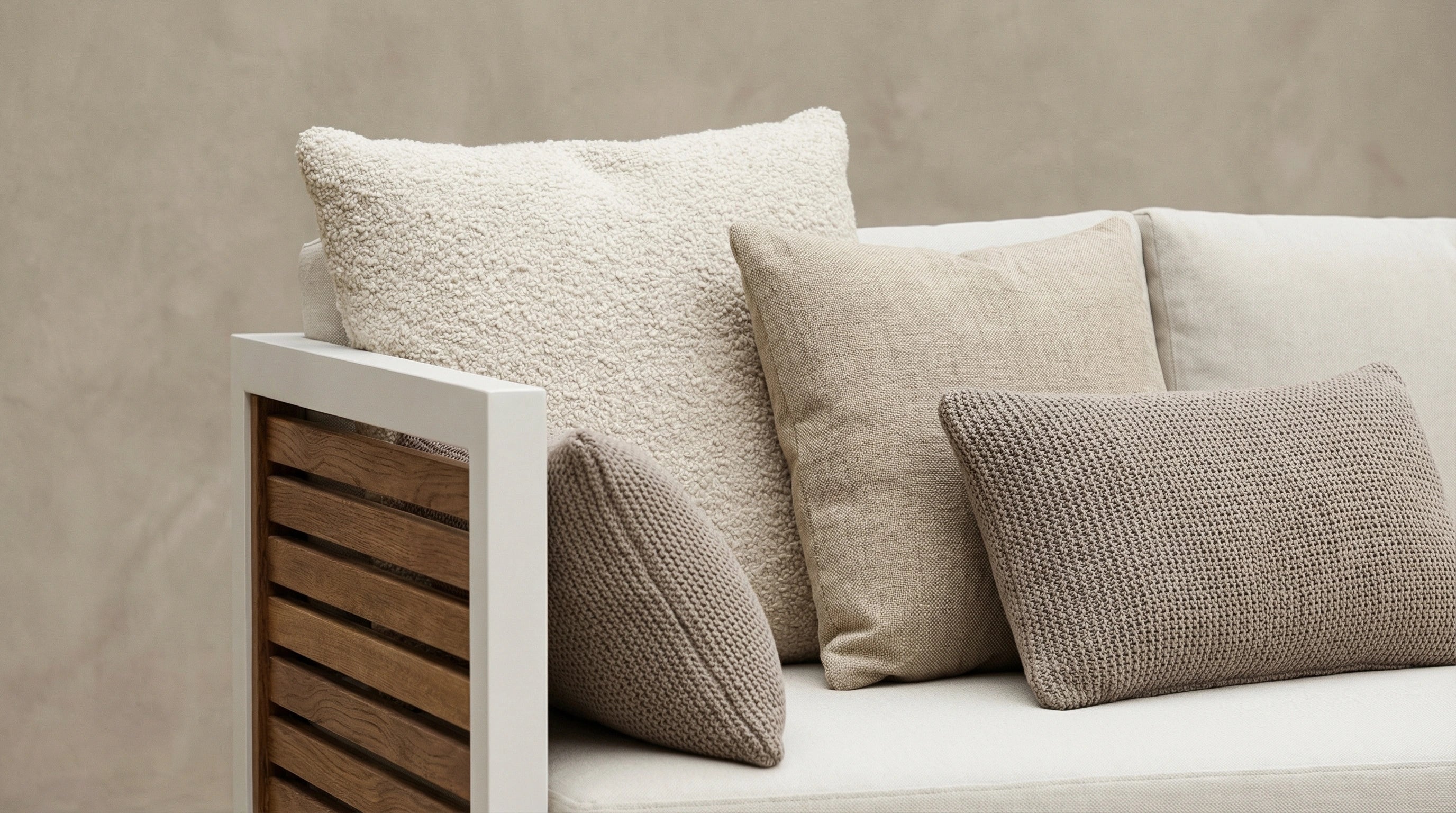
A beautifully styled sofa with layered cushions in earthy tones and mixed textures
ADVICE

How to Arrange Cushions Like a Stylist

By Ikonik Luxury Furniture, Editorial Team4 min read

Of every decorating trick available to you, rearranging your cushions is the simplest, the cheapest and — done well — the most immediately transformative. A sofa that felt tired at breakfast can feel entirely new by lunch. A bed that looked flat and forgettable becomes the centrepiece of the room. Cushions are the punctuation of interior design: they give a space rhythm, personality and finish. Yet most of us scatter them without thinking, and the result is either too sparse or uncomfortably crowded.

The difference between a room that looks "decorated" and one that looks genuinely styled almost always comes down to how the soft furnishings are arranged. Professional stylists do not have access to secret cushions — they simply understand a handful of principles that govern proportion, colour and texture. Once you learn them, you will never look at your sofa the same way again.

The Rule of Odds

Interior stylists swear by odd numbers, and for good reason. Our eyes find even groupings predictable — two cushions on either side of a sofa feel symmetrical but static, like a waiting room rather than a home. Odd numbers — three, five, seven — create a natural, lived-in asymmetry that draws the eye and holds it.

On a standard three-seater, begin with three cushions: two anchoring one end and a single on the other. This immediately creates a focal point and a sense of casual intention. On a larger sofa or sectional, move to five: a cluster of three at one end, a pair at the other, with varying sizes so the arrangement feels layered rather than regimented. For a generous L-shape or corner unit, seven cushions allow you to build depth without the sofa looking overstuffed — three large at the back corners, two medium in between, and two smaller accent pieces nestled forward.

The principle is simple: odd numbers suggest that someone with taste arranged these cushions by hand, rather than placing them in predictable pairs. It is the difference between a room that looks calculated and one that looks considered.

Size and Layering

Every well-styled cushion arrangement follows a single structural rule: large at the back, medium in the middle, small at the front. This creates depth — a layered effect that gives the eye somewhere to travel. It also ensures that no cushion is hidden behind another; each one is visible, each contributes to the composition.

Start with your largest cushions (typically 60 cm square) pressed against the sofa back or propped at the corners. These are your anchors — they set the palette and the scale. In front of them, place medium cushions (50 cm square or rectangular lumbar shapes), slightly offset so they overlap the larger ones behind. Finally, add a small accent cushion (40 cm or a round bolster) at the very front. This final piece is your full stop — often the boldest colour or the most interesting texture in the arrangement.

The layering principle applies everywhere: a reading chair needs just two cushions — one large behind, one small in front. A daybed benefits from a graduating line of three or four, largest to smallest, creating an inviting slope. The key is that sizes should never be uniform. Identical cushions in a row look institutional. Variation in scale is what makes an arrangement feel intentional and alive.

Colour and Pattern Mixing

Colour is where most people lose their nerve, defaulting to matching sets that feel safe but lifeless. Professional stylists use the 60-30-10 rule: sixty per cent of your cushion palette should be a dominant tone (often neutral — think stone, sand, warm white or charcoal), thirty per cent a secondary colour that complements your sofa and room scheme, and ten per cent an accent that provides a deliberate pop of contrast.

Within that framework, mixing patterns is not only permitted — it is encouraged. The secret is varying the scale. Pair a large-scale geometric with a medium botanical and a small-scale textural weave. Keep them within the same tonal family and they will coexist beautifully, even if individually they seem unrelated. A striped cushion, a block-colour velvet and a subtly patterned linen can sit side by side if their underlying tones share a common thread — warm undertones with warm, cool with cool.

Tonal layering is the most sophisticated approach: choose cushions that are all within the same colour family but at different saturations and values. Imagine a sofa dressed entirely in shades from cream through caramel to deep cinnamon. No single cushion demands attention, but together they create a richness that feels effortlessly luxurious. This is the approach you see in the finest hotel suites and editorial interiors — monochromatic, but never monotonous.

“The best cushion arrangements look as though they happened naturally — but every choice was deliberate. That is the art.”

Texture Play

If colour creates the mood, texture creates the feeling. A velvet cushion invites touch in a way that a cotton one simply does not. A chunky knitted cover suggests warmth and comfort before you have even sat down. Texture is the sensory dimension of cushion styling, and it is what separates a room that looks good in photographs from one that feels good to live in.

The principle is contrast. Pair smooth with rough, soft with structured, matte with sheen. A slubby linen beside a lustrous velvet. A bouclé weave next to a crisp cotton. A hand-knotted wool cushion against a sleek sateen. Each pairing amplifies the qualities of the other — the velvet feels more sumptuous beside the linen, the linen more relaxed beside the velvet. Without contrast, textures cancel each other out and the arrangement falls flat.

Think seasonally, too. In the warmer months, lean towards lighter textures: linen, cotton, light-weave rattan-patterned fabrics. As the cooler months arrive, introduce heavier pieces: chunky knits, faux fur, thick wool, deeper velvets. Swapping a few cushion covers with the seasons keeps your space feeling current without a full redecoration — and it is one of the simplest pleasures of maintaining a well-dressed home.

A Room-by-Room Guide

The living room sofa is where cushion styling has the greatest impact. A three-seater typically wants three to five cushions; a sectional can handle five to seven. Start by anchoring the corners with your largest, most neutral cushions, then layer forward with decreasing sizes and increasing personality. Leave the centre of the sofa clear — nobody wants to excavate through a mountain of cushions before sitting down. The goal is abundance with restraint: enough to look generous, few enough to be practical.

The bedroom bed follows a different rhythm. Sleeping pillows go at the back (hidden by your arrangement during the day), followed by European square pillows (65 cm) that create height, then standard decorative cushions in front, and a single bolster or lumbar cushion at the very front as an accent. Five to seven pieces is ideal for a queen or king bed. The palette should feel calm and cohesive — the bedroom is a place of rest, and your cushion arrangement should whisper rather than shout.

Outdoor settings demand their own approach. Weather-resistant fabrics in solution-dyed acrylics are essential, but the styling principles remain identical. On an outdoor sofa, use three to five cushions in earthy, sun-friendly tones — sand, olive, terracotta, warm grey. Vary the sizes and textures just as you would indoors. A chunky outdoor knit beside a smooth Sunbrella weave creates the same satisfying contrast. The only additional rule: choose covers with hidden zips and quick-dry filling, so an unexpected afternoon shower is an inconvenience rather than a disaster.


Featured in This Article

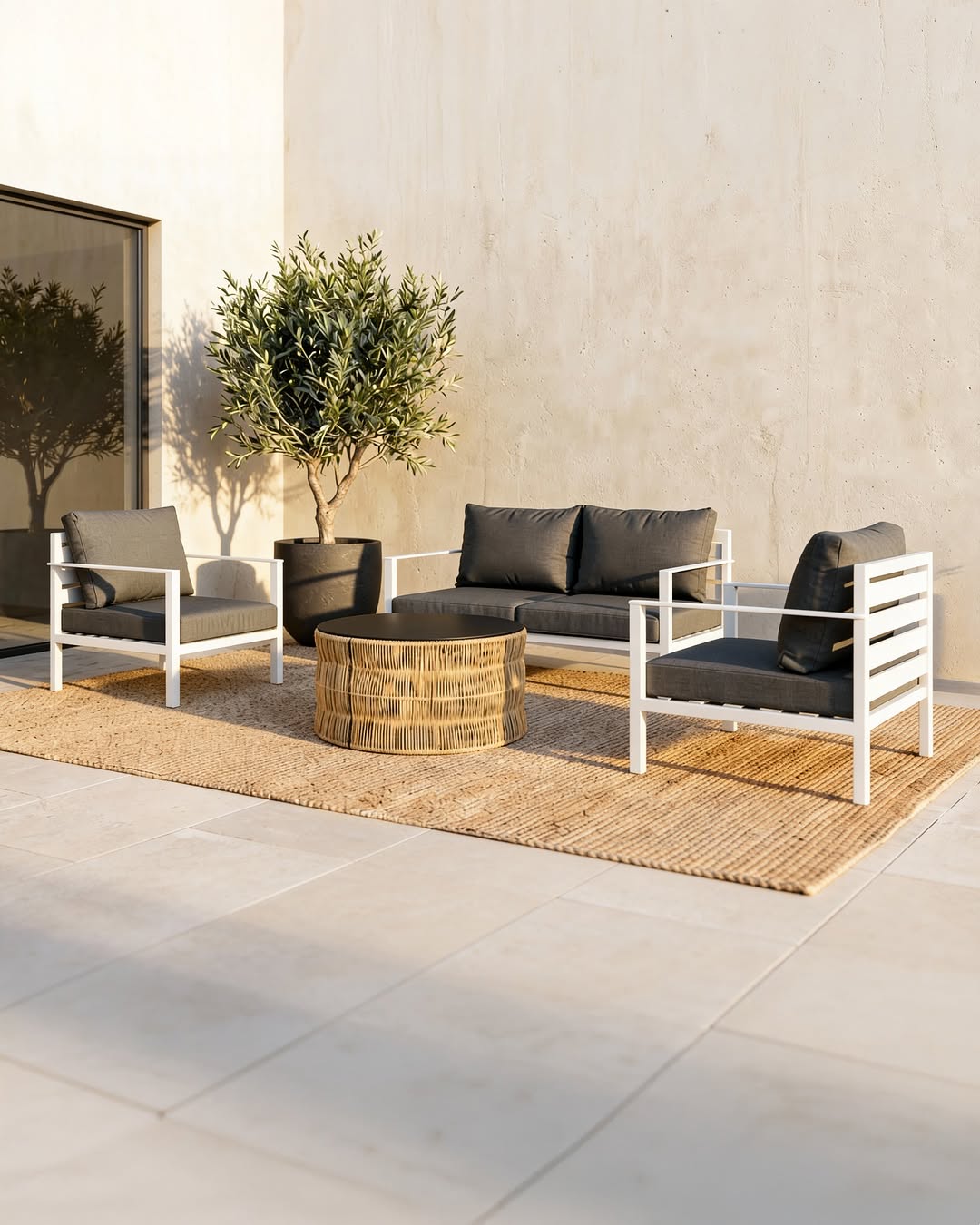
Outdoor living space styled with contemporary furniture and natural textures

@ikonik_luxury_furniture

Follow Us on Instagram
Instagram post by Ikonik Luxury Furniture