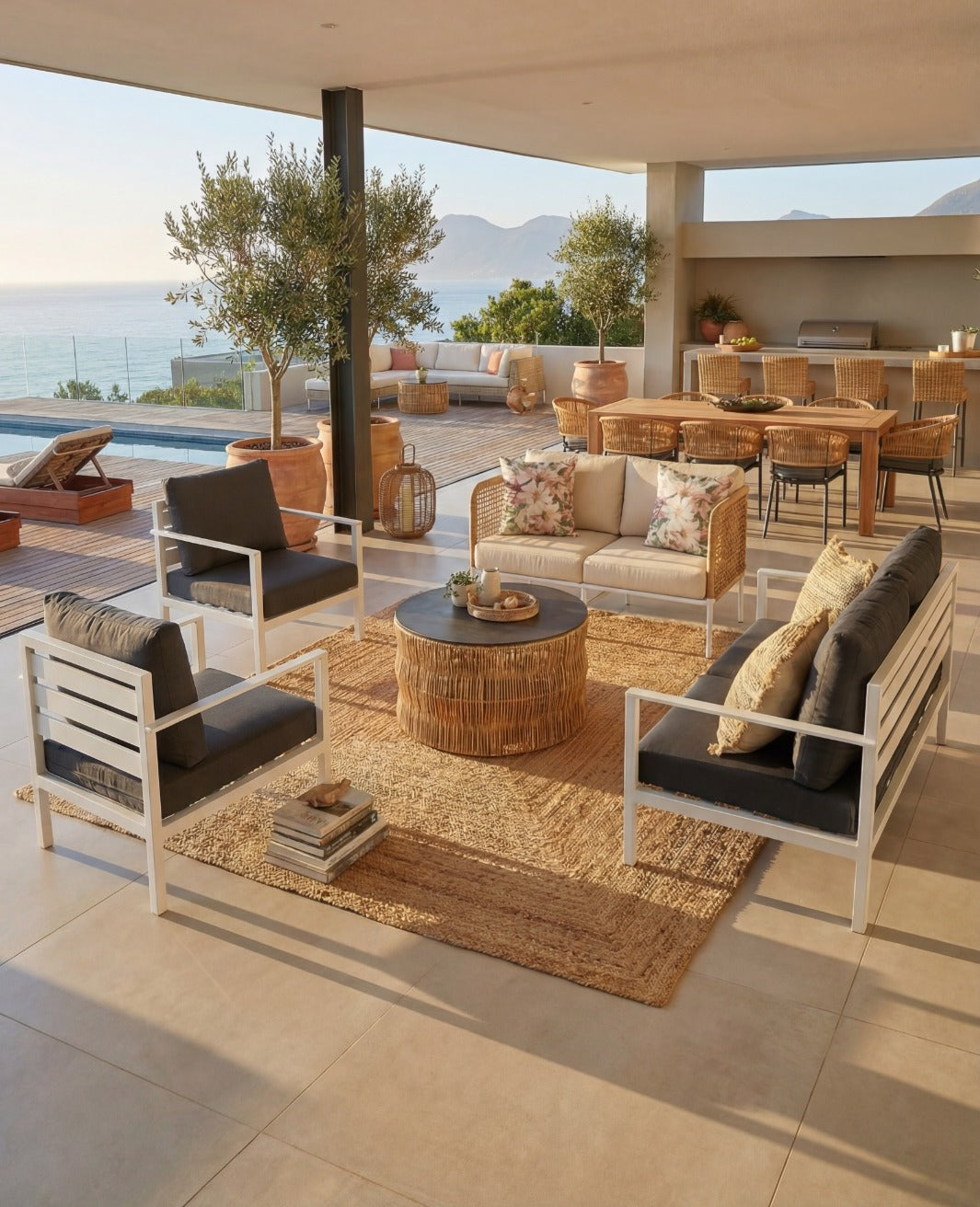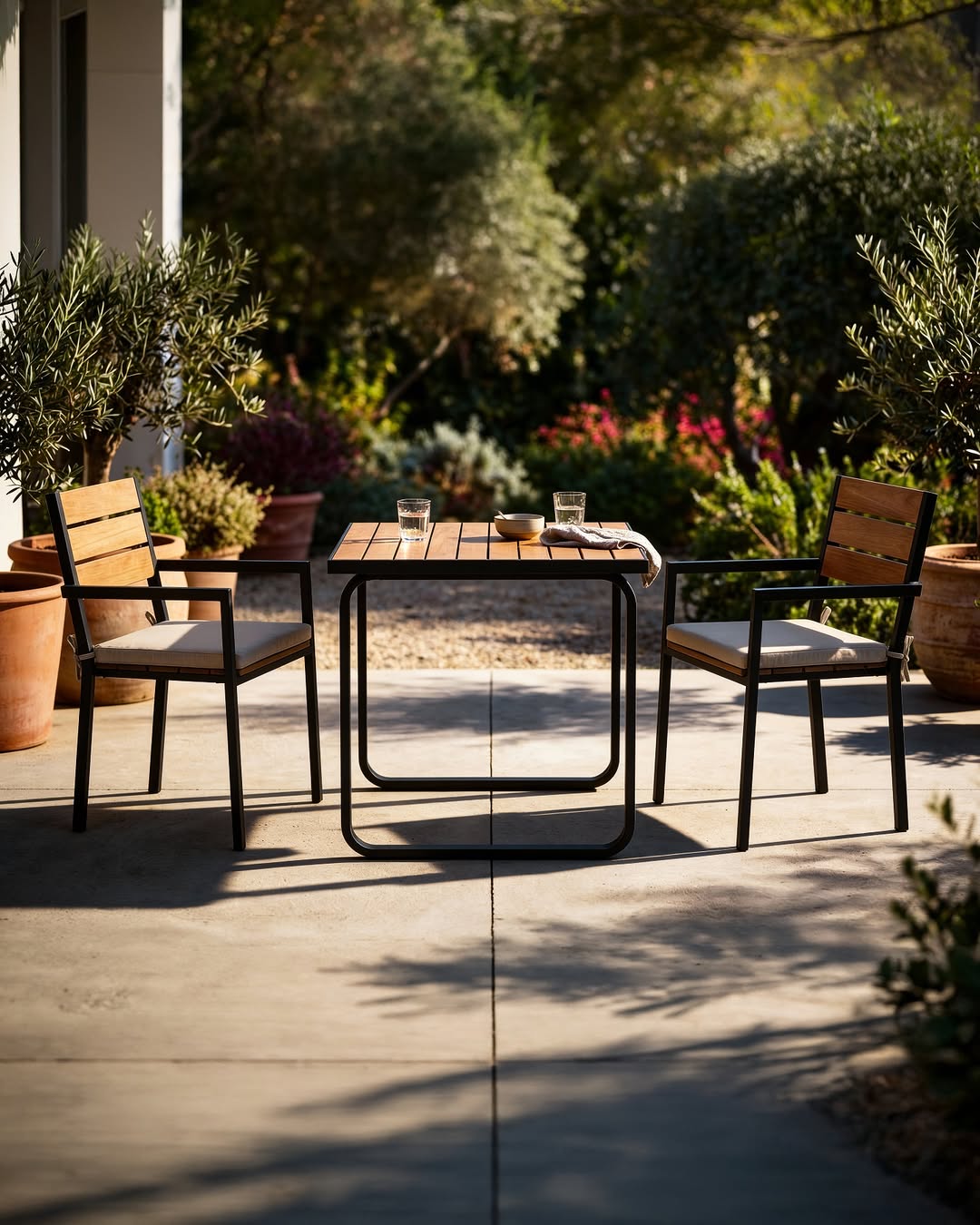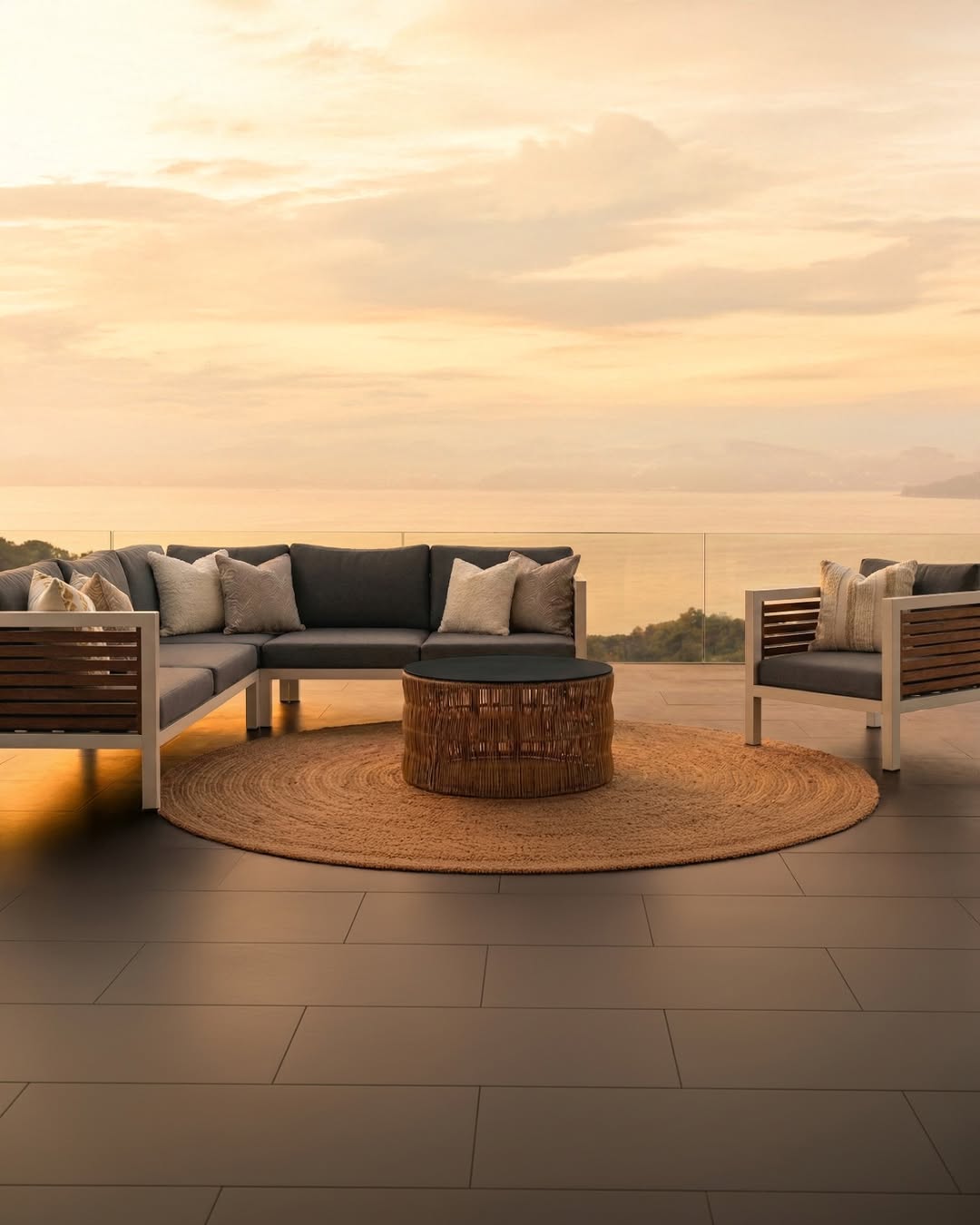

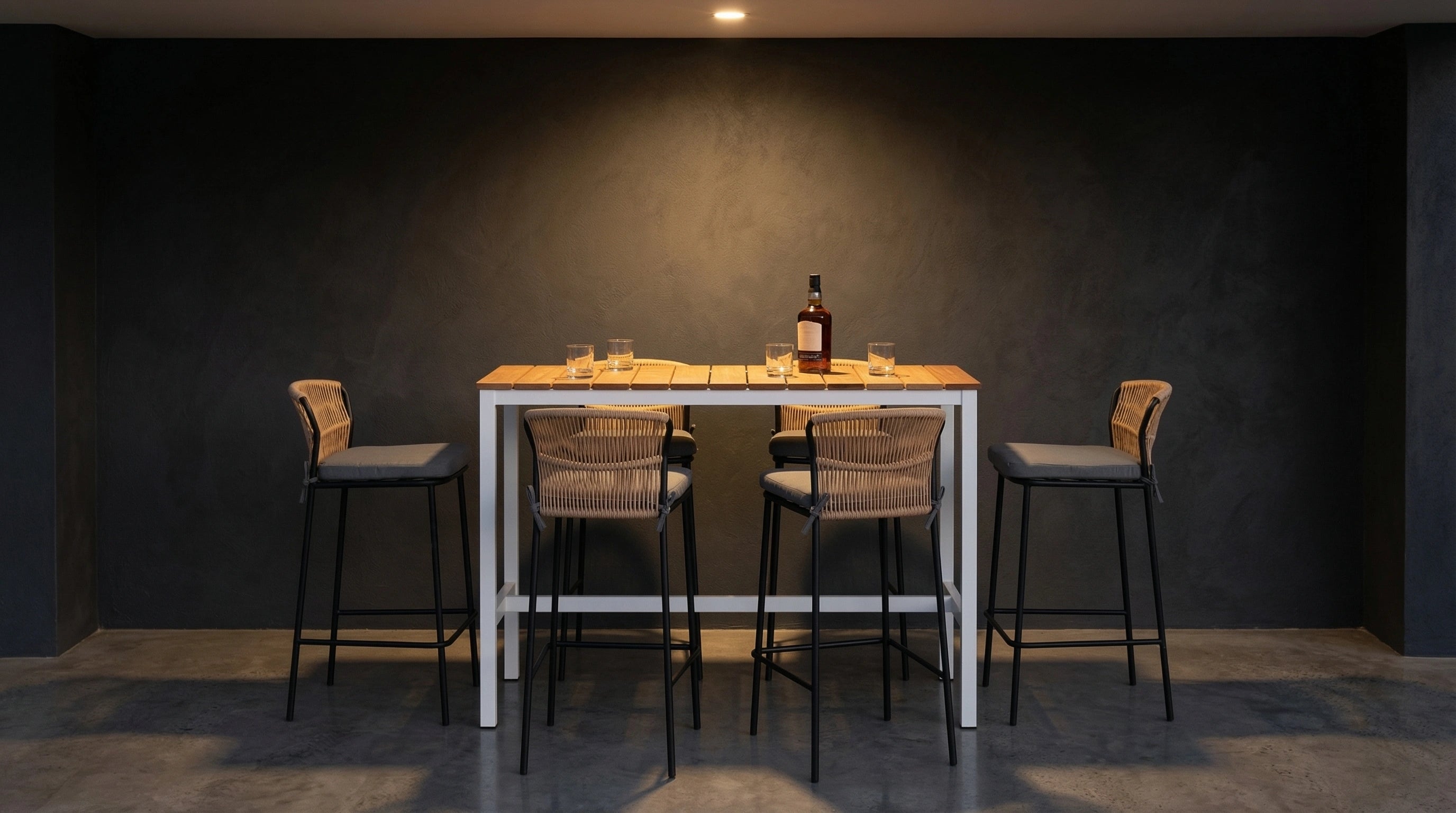
A sophisticated home bar setup with timber bar table, leather-topped stools and warm pendant lighting in an open-plan living space
ENTERTAINING

How to Create the Ultimate Home Bar

By Ikonik Luxury Furniture, Editorial Team5 min read

There was a time when the home bar meant a dusty drinks trolley tucked behind a door, brought out twice a year and forgotten in between. That era is finished. The home bar has become one of the most considered spaces in contemporary interiors — a place where design, hospitality and daily ritual converge. It is no longer about storing bottles. It is about creating a gathering point, a stage for the small ceremonies of pouring, mixing and sharing that turn an ordinary evening into something worth remembering.

A well-designed bar area changes the way a home functions socially. It draws people in, gives them somewhere to lean, perch and linger. It creates a natural focal point for conversation — the kind of easy, standing proximity that dining tables and sofas cannot quite replicate. Whether you are hosting a room full of guests or pouring a single drink at the end of a long day, the bar is where the mood of the evening is set.

The good news is that you do not need a dedicated room or a generous budget to create one. A thoughtfully chosen bar table, a pair of well-proportioned stools, and a few considered details can transform a corner of your kitchen, living area or balcony into something that feels intentional and inviting. What follows is a guide to making that happen — from the furniture that anchors the space to the finishing touches that elevate it.

This is not about recreating a cocktail lounge. It is about designing a space that reflects how you actually live and entertain — with warmth, with ease, and with pieces that are built to last.

Choosing Your Bar Furniture

The bar table is the anchor of the entire setup, and the decision begins with height. Standard dining tables sit at approximately 75 centimetres; bar-height tables rise to between 100 and 110 centimetres. That difference is not merely dimensional — it changes the social dynamic of the space entirely. Bar height encourages standing, leaning, perching on a stool. It creates an informality that standard dining cannot, a sense that this is a place for spontaneous gathering rather than a structured meal. If you are building a space for entertaining, bar height is almost always the right call.

Shape matters more than most people consider. A rectangular bar table works beautifully against a wall or as a kitchen island extension, offering a clean line that integrates with the architecture of the room. A round bar table, by contrast, is inherently more social — there is no head, no hierarchy, and conversation flows more naturally around a curve. For smaller spaces, a round table also tends to fit more gracefully, its absence of corners softening the footprint in a room where every centimetre counts.

Materials set the tone. Polywood and composite tops offer durability and weather resistance for outdoor or high-traffic settings — they handle spills, condensation and daily use without complaint. Solid timber brings warmth and grain, ageing beautifully over years of use. Stone or concrete tops read as heavier and more architectural, suited to spaces where the bar is a permanent statement rather than a flexible addition. Whichever you choose, the underframe deserves equal attention: powder-coated aluminium for lightness and outdoor suitability, or solid timber and steel for interiors where weight and presence are welcome.

The relationship between the table and its stools is where the design either coheres or falls apart. A matched set creates a composed, considered look — the same material language running through both pieces. An intentional contrast — timber stools against a stone-topped table, woven seats against a metal frame — introduces tension and character. Both approaches work, but the choice should be deliberate rather than accidental. The pieces should look as though they were chosen together, even if they were not designed together.

Bar Stools: Comfort Meets Style

A beautiful bar stool that is uncomfortable to sit on for more than ten minutes is a failed piece of furniture. Comfort is non-negotiable at bar height, where your feet leave the floor and your body relies entirely on the stool for support. Seat height is the first consideration: for a standard bar table of 105 to 110 centimetres, a stool seat height of 65 to 75 centimetres is correct. Too low and your guests are reaching upward; too high and their knees press against the underside of the table. Measure before you buy — the relationship between seat and tabletop should leave roughly 25 to 30 centimetres of clearance.

Footrests are essential, not optional. At bar height, dangling feet create discomfort within minutes. A well-placed footrest — ideally integrated into the stool frame at a natural resting angle — transforms the sitting experience entirely. Backrests offer additional support for longer sessions; a low backrest provides a sense of security without the visual bulk of a full dining chair, while backless stools keep the line clean and allow them to tuck fully beneath the table when not in use. Swivel bases add flexibility, particularly at kitchen islands where the stool serves multiple orientations, though fixed bases tend to feel more grounded and architectural.

Material choice for bar stools should account for the reality of daily use. Performance fabrics and easy-clean surfaces — leatherette, textured polyester, coated linen — handle spills and wear far better than delicate natural fabrics at a height where drinks are constantly in hand. For outdoor settings, UV-resistant rope weave and powder-coated frames are the practical standard. As a general rule, allow 60 centimetres of bar width per person when calculating how many stools to place. A 180-centimetre bar table comfortably seats three; pushing to four will feel crowded regardless of how slim the stools are.

Styling Your Bar Space

The furniture creates the structure; the styling creates the atmosphere. Lighting is the single most important element here. A pendant light suspended above the bar — whether a single sculptural fixture or a pair of smaller shades — defines the space architecturally and sets the mood after dark. The light should sit low enough to create intimacy without obstructing sightlines across the bar, typically 70 to 80 centimetres above the tabletop. Warm-toned bulbs are essential: anything above 3000 Kelvin will feel clinical rather than inviting. Wall sconces on either side of a shelving unit or mirror add depth and layered light that a single overhead source cannot achieve alone.

Glassware and bottles, when displayed well, become decorative objects in their own right. Open shelving behind or beside the bar — timber, metal, or a combination — gives bottles a home and creates visual rhythm through repetition and varying heights. A decanter or two in heavy crystal, a set of coupes lined up on a tray, a cocktail shaker in brushed steel — these are the details that signal intention. They say this space is not improvised; it is curated. A linen or leather tray on the bar top itself corrals essentials — a jigger, a bottle opener, a dish of garnishes — and prevents the surface from feeling cluttered even when it is in active use.

The bar should feel connected to the rest of your interior, not isolated from it. If your living space favours warm timbers and natural textures, carry those materials into the bar area. If your kitchen is defined by clean lines and stone surfaces, let the bar echo that restraint. The goal is a space that feels like a natural extension of the room it sits within — elevated by the details, but never disconnected from the design language around it.

“A well-designed bar area changes the way a home functions socially. It draws people in, gives them somewhere to lean, perch and linger.”

Making It Work in Any Space

The dedicated bar room — a separate space fitted out with built-in shelving, a sink, a refrigerator beneath the counter — is a luxury that most homes cannot accommodate, and that is perfectly fine. The most successful home bars are often those that have been woven into existing spaces with ingenuity rather than square footage. A kitchen island with an overhanging countertop and two or three stools becomes a bar the moment the cooking stops and the glasses come out. An unused alcove fitted with a narrow wall-mounted shelf and a pair of compact stools creates a bar from nothing. A balcony with a weather-resistant bar table and rope-woven stools becomes an outdoor entertaining space that punches well above its footprint.

For apartments and compact homes, the key is selectivity. One bar table, two stools, a small shelf or tray for bottles and glassware — that is the entire inventory. Avoid the temptation to overstock or over-furnish. A curated bar setup with three or four excellent bottles and a set of proper glassware will always feel more considered than a crowded drinks cart overflowing with impulse purchases. The discipline of a small space forces better choices, and better choices are the foundation of good design.

Whatever the scale, a home bar is ultimately an act of hospitality made physical. It says: stay a while, have a drink, there is no rush. It turns the act of pouring a glass into a small occasion and the act of hosting into something generous and unhurried. The furniture you choose, the way you arrange it, the care you take with the details — these are not superficial concerns. They are the architecture of welcome, and they deserve the same attention you would give to any room where the people you care about gather.


Featured in This Article

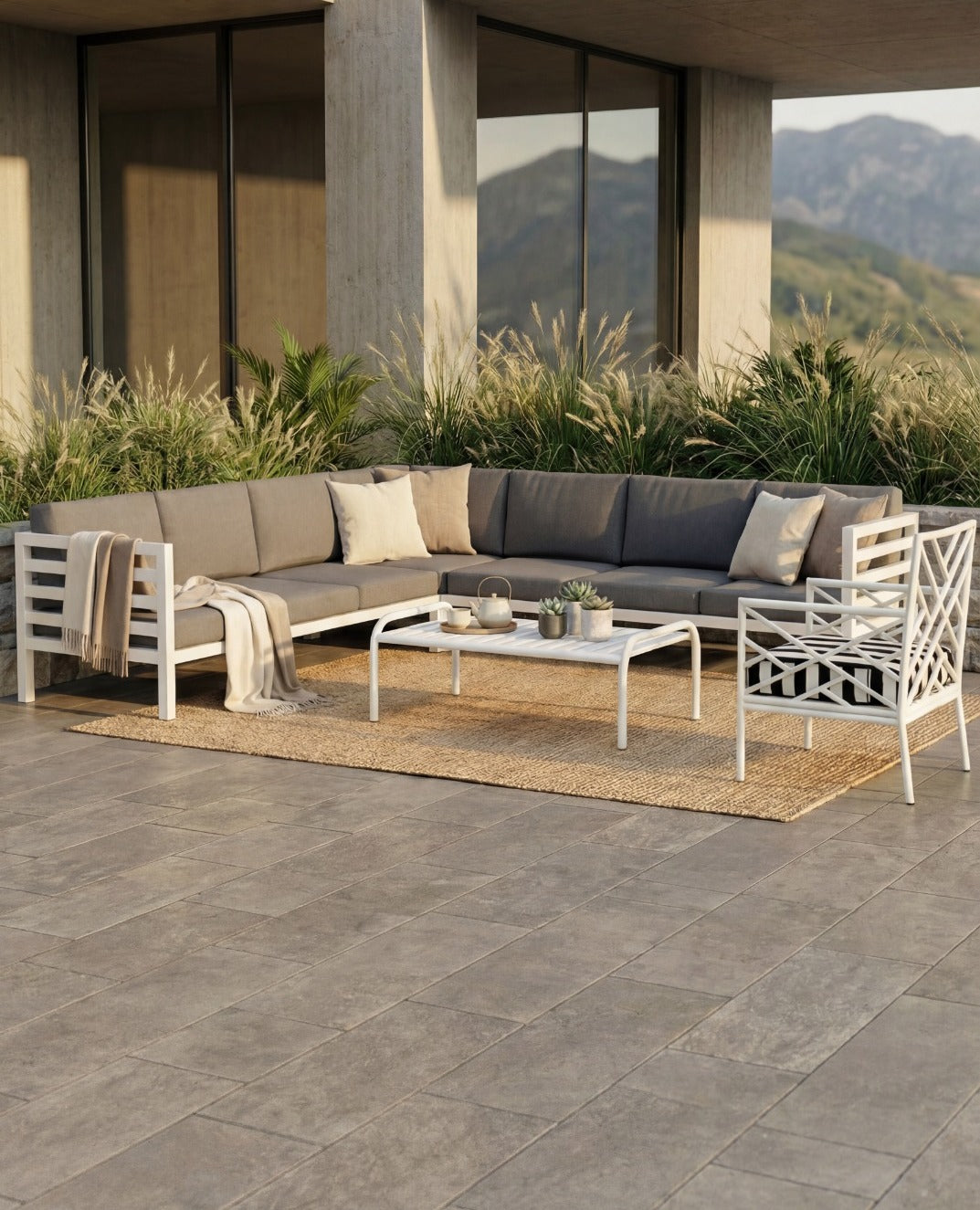
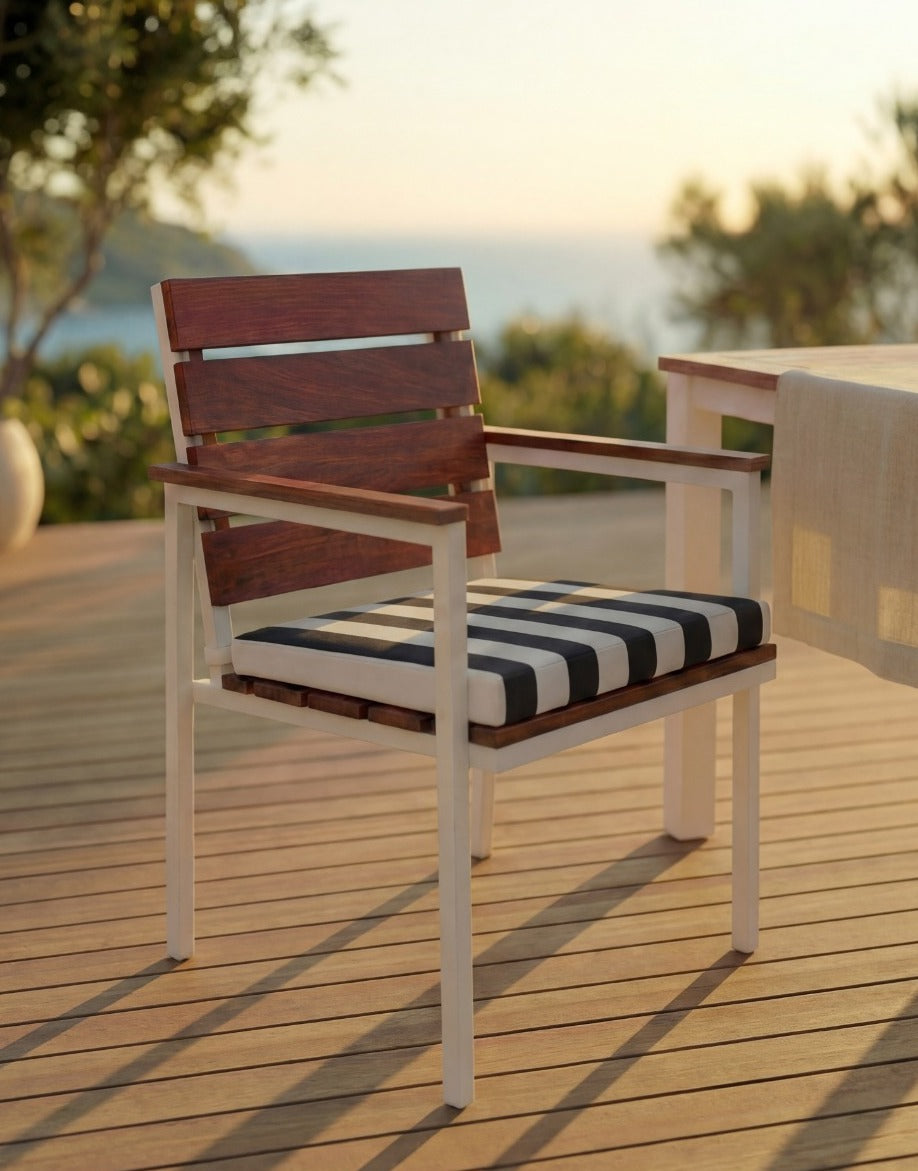
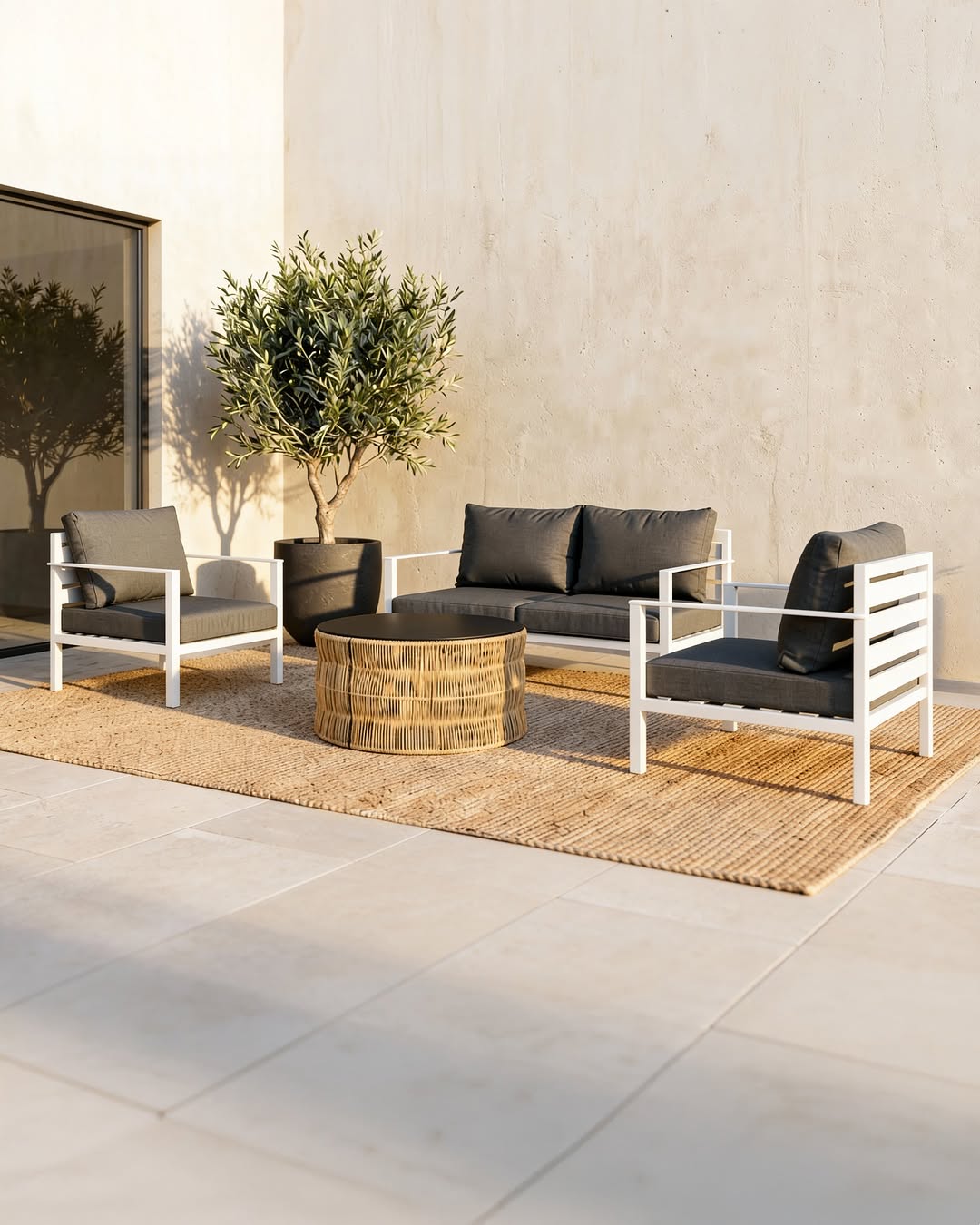
Outdoor living space styled with contemporary furniture and natural textures

@ikonik_luxury_furniture

Follow Us on Instagram
Instagram post by Ikonik Luxury Furniture