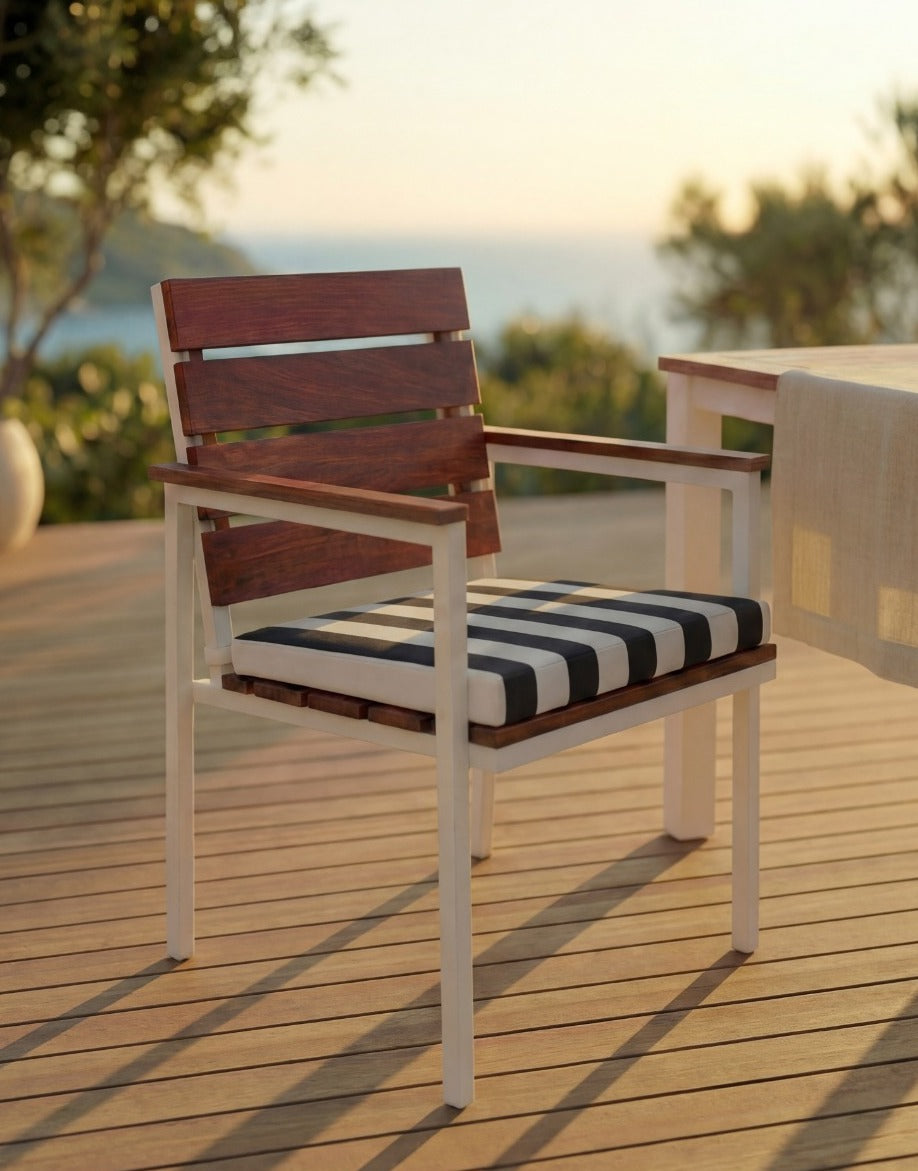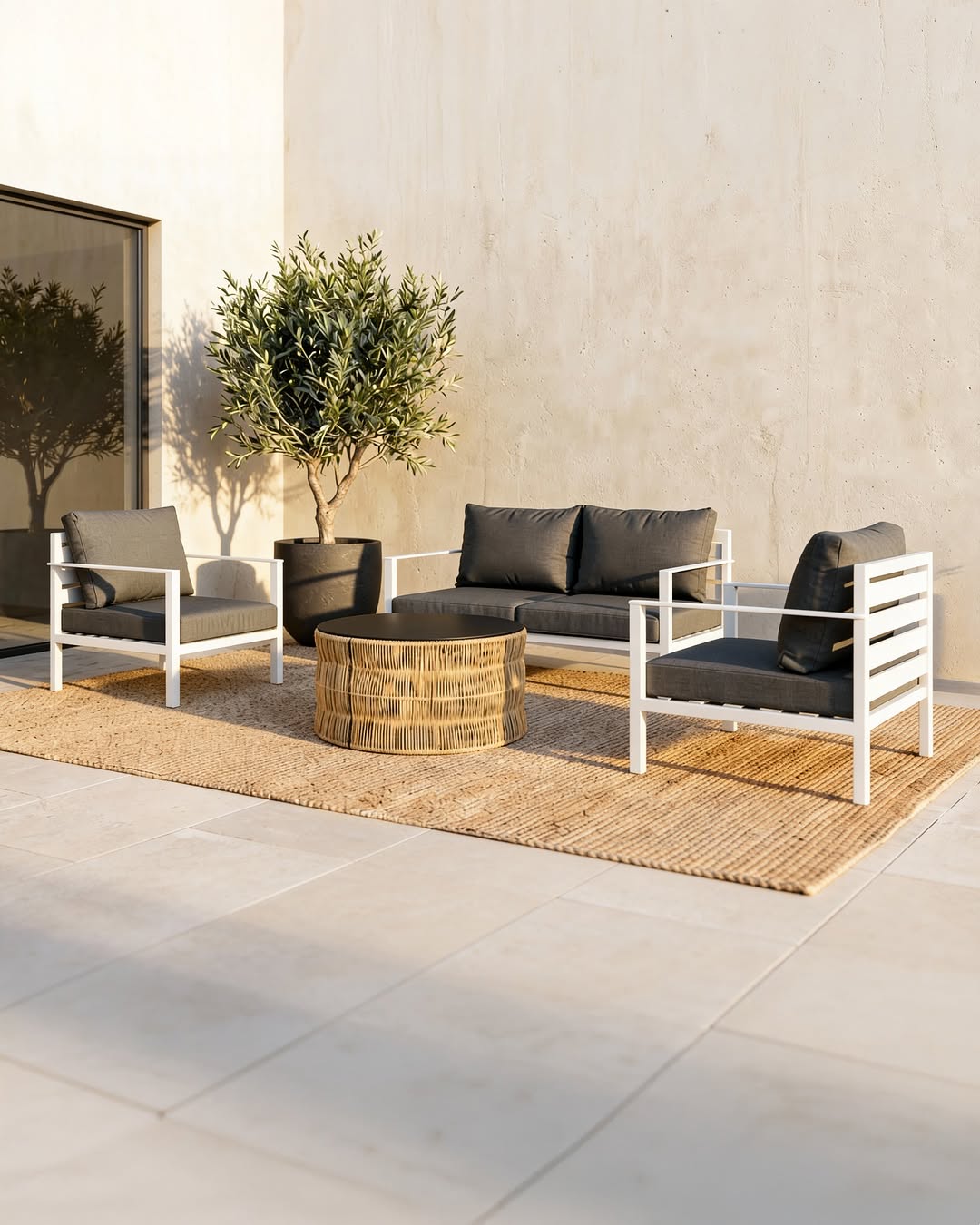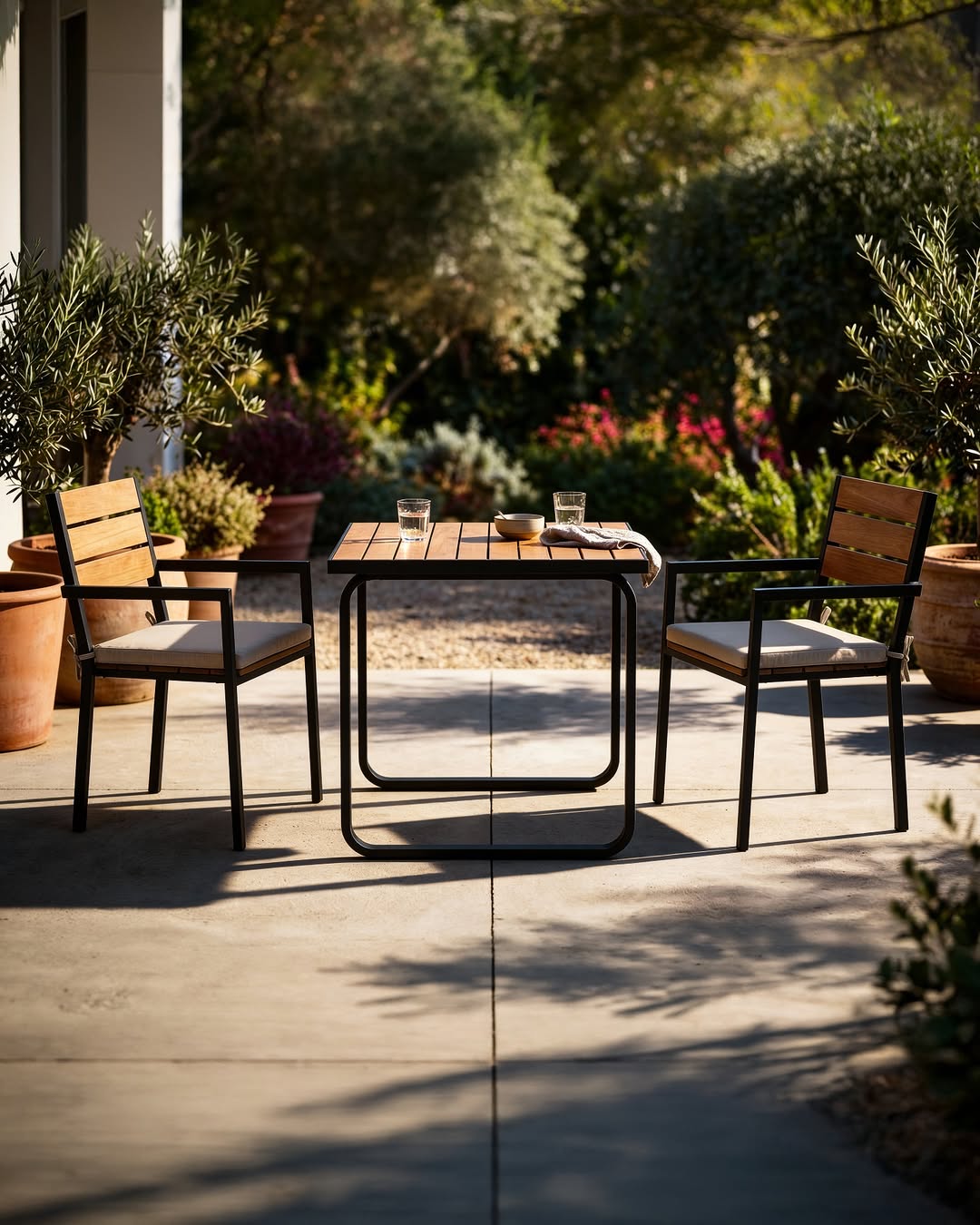

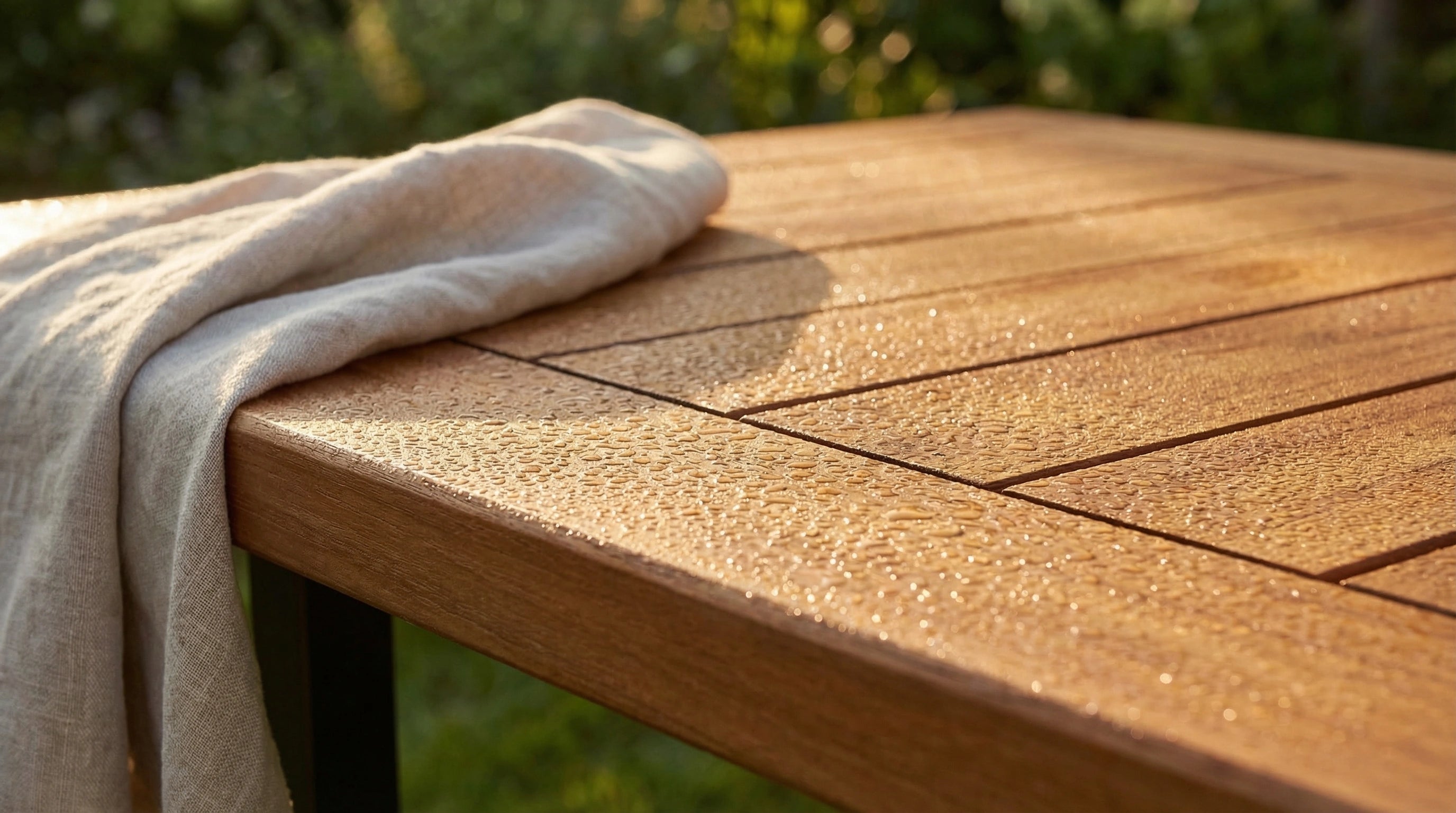
Wood is a living material. Long after the tree has been felled and the timber shaped into a dining table or sideboard, it continues to respond to the world around it — expanding in humid summers, contracting through dry winters, deepening in colour as the years pass. This is not a flaw. It is the very quality that makes solid wood furniture so enduringly beautiful, and so profoundly different from anything manufactured to imitate it.
Yet that living character demands a measure of respect. A well-crafted wooden table will outlast the house it sits in, provided you understand what it needs. The good news is that caring for wood is neither complicated nor time-consuming. It is a series of small, deliberate habits — the kind that become second nature once you know why they matter.
Whether you have recently invested in your first serious piece of furniture or inherited something with decades of history already written into its grain, this guide will help you protect that investment for the generations still to come.